Recent Developments at Bayerische Motoren Werke AG
Bayerische Motoren Werke AG (BMW) reported a modest decline in operating performance during the most recent fiscal quarter, with earnings before interest and tax (EBIT) falling relative to the corresponding period in the prior year. The decline is largely attributed to elevated input costs and the persistent effects of global supply‑chain disruptions that have constrained production in several key markets. Analysts note that while the margin compression is significant, it aligns with broader industry trends in which raw‑material price volatility and logistics bottlenecks are exerting downward pressure on profitability across the automotive sector.
Vehicle Recall in the United States
During the same reporting period, BMW announced a voluntary recall of a substantial number of vehicles sold in the United States. The recall pertains to a defect in the water‑pump assembly that could permit water ingress, thereby creating a fire risk while the vehicle is parked and turned off. The National Highway Traffic Safety Administration (NHTSA) has advised owners to park their vehicles outside and away from buildings until a repair is completed. No incidents of fire or other safety events have been reported to date. BMW is currently developing a repair solution, with notifications to owners slated for late December.
The recall underscores the importance of rigorous quality assurance processes in maintaining consumer trust and regulatory compliance. From a risk‑management perspective, the incident highlights the need for proactive supply‑chain monitoring and rapid response protocols—practices that are increasingly becoming industry standards for mitigating operational and reputational risk.
Introduction of a CO₂‑Pooling Initiative
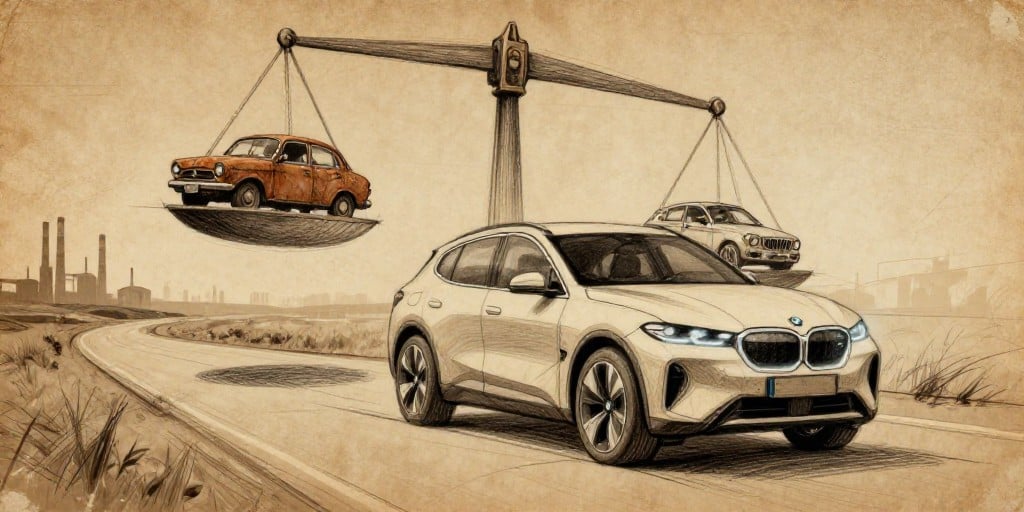
In a parallel effort to address environmental stewardship and regulatory compliance, BMW has unveiled a new strategy aimed at managing its carbon‑emission profile. The company will operate a “CO₂‑pool” that enables other automobile manufacturers to offset their emissions against BMW’s own reported emissions. Partners in the pool will be required to provide financial or bank guarantees to cover potential regulatory penalties arising from non‑compliance. This initiative is perceived by industry observers as a two‑fold opportunity: first, it offers BMW an additional revenue stream through the monetization of its excess emission allowances; second, it positions the company as a leader in sustainability, potentially enhancing its brand value in an era of heightened investor and consumer demand for green credentials.
From a market‑dynamics standpoint, the CO₂‑pooling arrangement dovetails with the European Union’s stringent emissions targets and the broader shift toward carbon‑neutrality. By facilitating a marketplace for emission credits, BMW may accelerate the transition of its competitors toward lower‑carbon fleets while simultaneously creating a buffer against fluctuating regulatory demands.
Strategic Implications
The recall and CO₂‑pooling plan represent components of BMW’s broader strategy to manage cost pressures while preserving its reputation for engineering quality. The company’s leadership has emphasized transparency and proactive engagement with regulators, customers, and investors. These actions signal an adaptive response to a rapidly evolving automotive landscape marked by technological disruption, supply‑chain fragility, and intensified environmental scrutiny.
In sum, BMW’s recent operational challenges and strategic initiatives illustrate how automotive incumbents are leveraging both risk‑mitigation and sustainability frameworks to navigate the intersection of traditional manufacturing pressures and emerging regulatory expectations. The effectiveness of these measures will likely influence the company’s competitive positioning and financial performance in the coming quarters, as well as set precedents for peer firms across the global automotive industry.