
BMW Expands Production Footprint in India and Faces Scrutiny Over Electrification Strategy
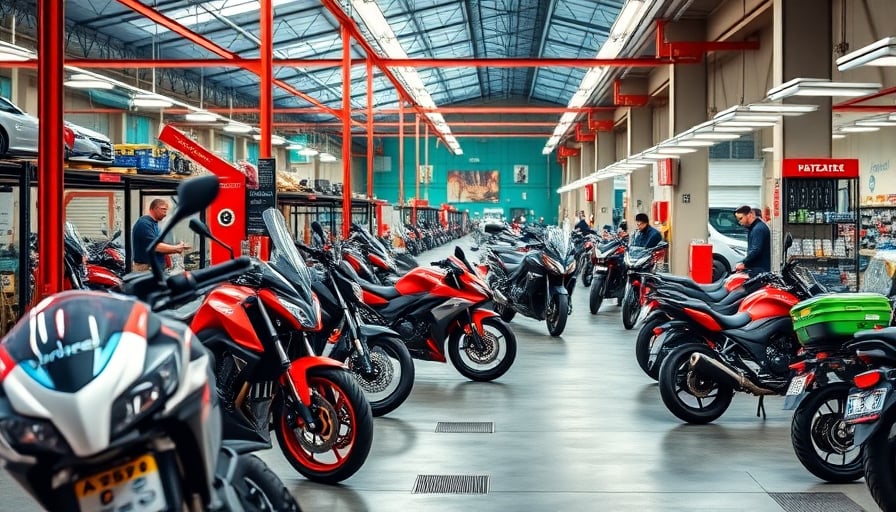
BMW AG has announced the inauguration of a dedicated production line for its F 450 GS adventure motorcycle at the company’s partner plant in Hosur, India. The move follows the model’s debut at the 2023 EICMA fair and marks a tangible advance in the decade‑old collaboration with TVS Motor Company. The new line is expected to increase output for the Indian market, where demand for high‑performance adventure bikes remains robust.
Strategic Significance of the Hosur Plant
The Hosur facility, already equipped to manufacture a range of premium motorcycles, will now accommodate the assembly of the F 450 GS. This expansion demonstrates BMW’s commitment to localized production in key growth regions, reducing logistics costs and enhancing responsiveness to market trends. By leveraging TVS’s manufacturing expertise and supply‑chain network, BMW can secure a steady supply of high‑quality components while maintaining strict adherence to its global quality standards.
The decision to invest in India aligns with broader industry patterns, wherein European automakers are increasingly partnering with local manufacturers to offset trade barriers and benefit from favorable tax regimes. The partnership also positions BMW to tap into the rapidly expanding middle‑class consumer base in the Indian subcontinent, where adventure motorcycles are gaining popularity among younger riders.
Electrification Debate at BMW
Concurrently, BMW’s strategic direction on electrification has attracted attention. In a recent interview, senior company officials clarified that the automaker does not intend to commit to a full transition to electric vehicles (EVs) by 2035. The executives cited the current sales mix, noting that internal combustion engines (ICE) continue to dominate revenue streams in many markets. They also stressed the importance of “alternative solutions,” such as hybrid systems and flexible powertrain architectures, to bridge the gap between traditional ICE models and future zero‑emission vehicles.
European regulators are reportedly considering adjustments to incentives and regulatory frameworks that could influence the pace of electrification. BMW’s stance reflects a broader industry trend where firms balance short‑term profitability against long‑term sustainability goals. The company’s focus appears to be on maintaining competitiveness in regions where EV adoption remains gradual, while investing in research and development of next‑generation powertrains.
Incident in South Korea
In a separate event, a BMW hybrid vehicle in South Korea caught fire in a parking lot, causing significant property damage but no injuries. The blaze began near the front bumper, and emergency services contained the incident within minutes. Investigators are currently examining the cause, with preliminary reports suggesting a potential fault in the battery management system or a mechanical failure unrelated to the hybrid technology.
The incident underscores the importance of stringent safety protocols for hybrid and electric vehicles, particularly as the industry expands its market share. While such events are relatively rare, they can influence public perception and regulatory scrutiny, prompting manufacturers to review design and quality assurance processes.
Market Outlook
At present, BMW has not reported any major revisions to its overall market outlook. The company continues to project growth in key regions, supported by a diversified portfolio that includes premium internal combustion, hybrid, and electric models. The company’s recent initiatives—such as the expansion of motorcycle production in India and the cautious approach to electrification—are positioned as part of a broader strategy that balances profitability, regulatory compliance, and long‑term sustainability.
In summary, BMW’s recent developments illustrate a company that is navigating complex market dynamics across multiple sectors. By reinforcing local manufacturing partnerships, maintaining a measured approach to electrification, and addressing safety concerns proactively, BMW aims to uphold its reputation for engineering excellence while adapting to evolving economic and regulatory landscapes.