Corporate Review: Bayerische Motoren Werke AG Maintains Steady Performance Amid Automotive Transition
Executive Summary
Bayerische Motoren Werke AG (BMW) has released its most recent earnings report, confirming a stable operating environment despite a challenging landscape defined by electrification imperatives and supply‑chain volatility. While profitability margins remain under pressure, the company emphasizes sustained investment in battery technology and electric‑vehicle (EV) platforms. The management’s strategy hinges on operational efficiencies, supply‑chain resilience, and a balanced portfolio that still includes high‑margin internal‑combustion (ICE) models.
Financial Performance
- Operating Margin: The latest cycle shows a modest improvement versus the previous year, primarily due to cost‑control measures and a favorable mix of high‑margin vehicles.
- Profitability Drivers: Enhanced manufacturing efficiency, better allocation of resources across production lines, and a shift toward vehicles with higher price points have contributed to the margin lift.
- Capital Allocation: The group continues to allocate significant capital toward battery research and development, signalling confidence in the long‑term return on electric‑vehicle investment.
Market and Regulatory Context
- Electrification Trend: Global automotive policy is rapidly tightening emissions standards, driving a shift toward EVs. BMW’s strategy aligns with this trajectory but maintains a cautious approach to avoid over‑exposure.
- Supply‑Chain Constraints: Fluctuating component costs, particularly in battery materials and semiconductor chips, continue to constrain cost predictability. BMW’s response has been to deepen supplier relationships and diversify sourcing.
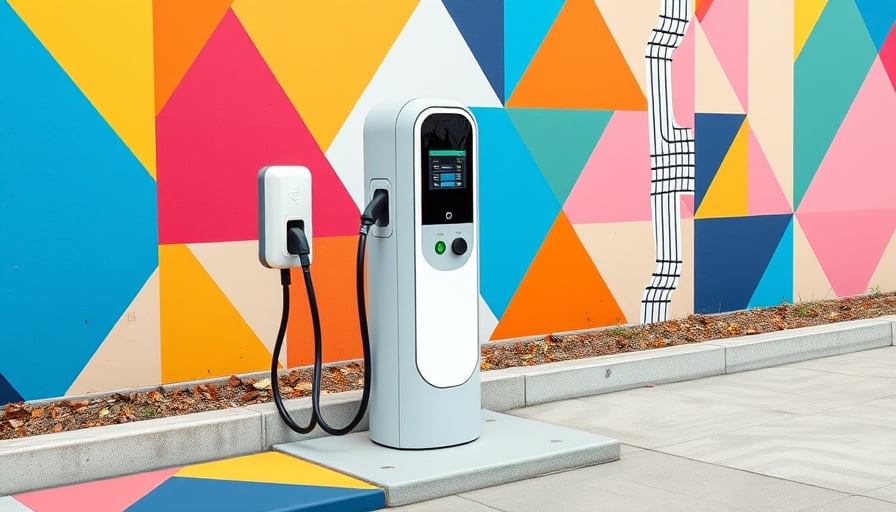
- Competitive Landscape: Traditional OEMs, such as Mercedes‑Benz and Audi, as well as new entrants like Tesla and Rivian, are intensifying competition for battery technology and charging infrastructure. BMW’s focus on a robust battery architecture positions it competitively.
Strategic Initiatives
1. Cost Optimisation
- Implementation of lean manufacturing initiatives across the production network.
- Consolidation of procurement to secure volume discounts for critical components.
2. Supply‑Chain Resilience
- Development of dual‑source supply agreements for battery materials.
- Investment in digital supply‑chain tracking to anticipate and mitigate disruptions.
3. Electric Platform Development
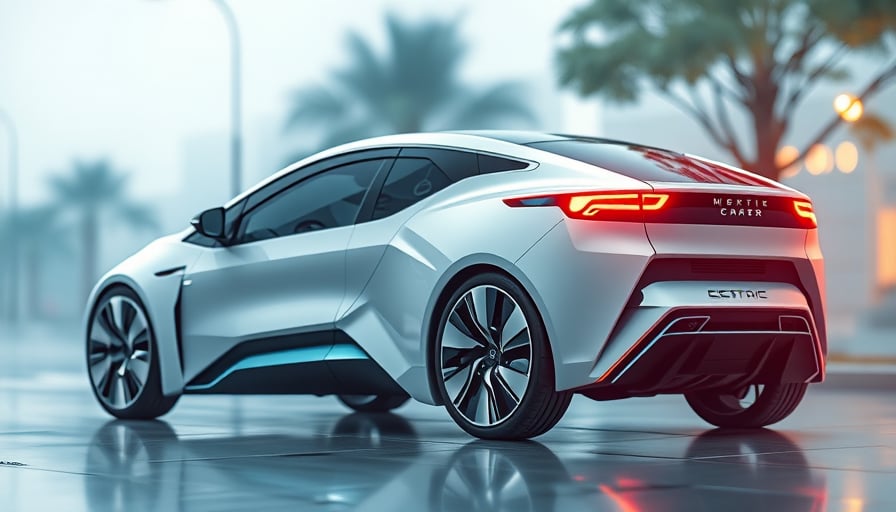
- Neue Klasse: BMW’s forthcoming electric‑vehicle line features an updated architecture aimed at improved charging speeds and extended range.
- Production line integration is expected to face regulatory compliance hurdles, particularly in key export markets such as the United States, China, and the European Union.
Investor Sentiment
- Stock Performance: BMW’s share price has displayed limited momentum, reflecting broader market concerns over the pace of the EV transition and geopolitical risks that affect supply chains.
- Market Outlook: Analysts project a gradual rebound as the company consolidates its electric‑vehicle roadmap and improves supply‑chain stability.
Broader Economic Implications
The automotive sector is a bellwether for several macroeconomic variables:
- Energy Transition: Shifts toward EVs influence crude oil demand, battery raw material markets, and renewable energy investment.
- Global Trade Dynamics: Tariffs and geopolitical tensions impact component pricing and supply‑chain reliability.
- Industrial Automation: Adoption of Industry 4.0 technologies in manufacturing drives productivity gains across the sector.
BMW’s balanced approach—investing heavily in EV technology while preserving the profitability of ICE models—mirrors a broader industry pattern where legacy automakers aim to mitigate transitional risks.
Conclusion
Bayerische Motoren Werke AG’s recent earnings report underscores a company that is navigating a complex, multi‑dimensional transition with disciplined financial management and strategic foresight. While short‑term profitability faces headwinds from regulatory and supply‑chain pressures, the firm’s long‑term positioning in battery technology and electric‑vehicle platforms offers a credible path to capture future growth in the evolving automotive landscape.