
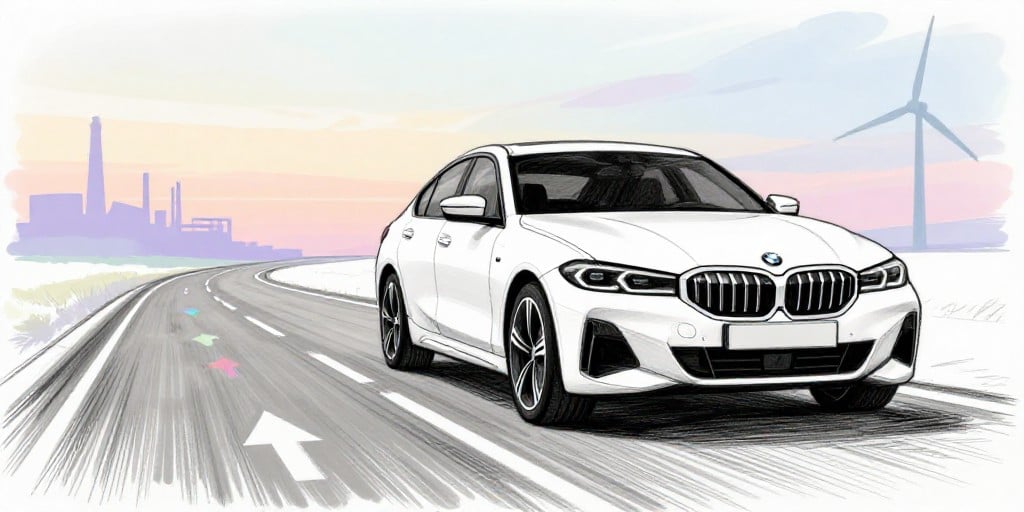
BMW Drives DAX Gains Amid Positive Auto‑Sector Momentum
Bayerische Motoren Werke AG (BMW) has emerged as a key driver behind the recent rally in the German equity market, contributing substantially to the rise of the DAX index. The automaker’s shares posted gains that positioned it near the top of the daily list, reflecting a broader trend of strength across the automotive and chemical sectors in Germany and Europe.
Market Context
The upturn in the automotive index coincides with a wave of favourable economic indicators and an improving business sentiment in Germany. Data from the Ifo institute underscores a robust macro‑economic climate, while a modest rise in oil prices is easing inflationary pressures for manufacturers and consumers alike. Together, these factors have created a conducive environment for automotive firms to outperform their peers.
BMW’s Recent Performance
BMW’s share price has been buoyed by analysts’ expectations of a more favourable near‑term outlook. A leading brokerage firm recently designated the stock as a “Positive Catalyst Watch” with a 90‑day horizon. The rating suggests that the company could receive further momentum from upcoming investor meetings, potential corporate actions, and a reassessment of its strategic initiatives.
- Analyst Forecasts: The “Positive Catalyst Watch” rating indicates that BMW may be on the cusp of a turnaround in key metrics, including production volumes and profitability.
- Sector Comparison: While BMW’s performance mirrors that of other German automakers—Mercedes‑Benz and Volkswagen, which also posted gains—its share price momentum remains comparatively stronger, reflecting investor confidence in its operational resilience.
Structural Challenges and Strategic Responses
Despite the rally, BMW faces persistent structural pressures:
- High Production Costs: Global supply chain constraints and the transition to electrified vehicle platforms have elevated manufacturing costs.
- International Competition: Aggressive pricing and innovation from Chinese and Korean manufacturers pose competitive threats.
- Capacity Pressures: The industry is still grappling with capacity shortages, impacting output and delivery timelines.
In response, BMW has launched a series of cost‑reduction initiatives aimed at streamlining its supply chain, optimizing production efficiency, and accelerating the deployment of electric‑drive models. The company’s strategy also includes a focus on expanding its presence in high‑margin markets such as the United States and Western Europe.
Implications for the Broader Economy
BMW’s recent gains are symptomatic of a wider trend in the German auto sector, which is likely to see an improvement in key financial metrics. A stronger sales performance in the United States and Europe, combined with cost‑control measures, could translate into higher profitability for the industry as a whole. Moreover, investor optimism surrounding the German auto market is expected to reinforce the positive trajectory of the DAX, as well as other indices that are sensitive to industrial and consumer sentiment.
Conclusion
In sum, BMW’s performance highlights the resilience of the German automotive sector amid an improving economic backdrop. While structural challenges remain, strategic initiatives and an optimistic outlook for production and profitability suggest that BMW—and the broader auto industry—may sustain momentum as the year progresses.