
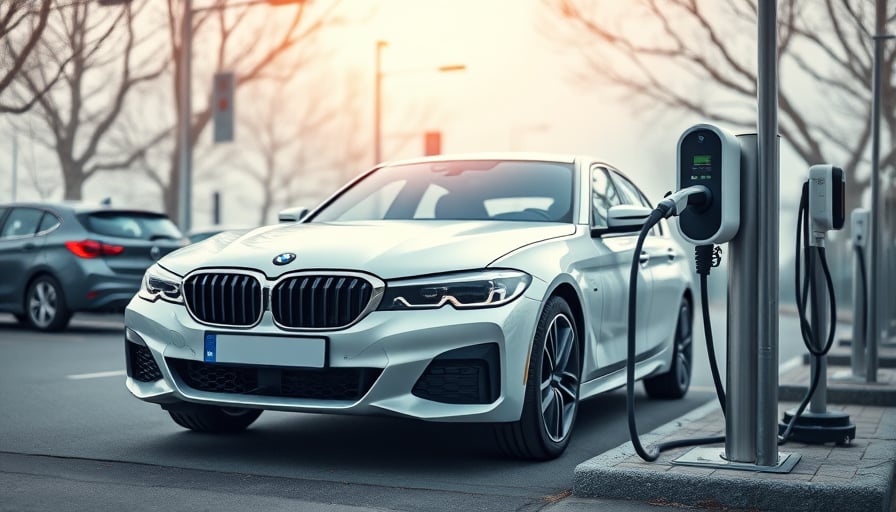
Corporate Analysis: BMW’s Strategic Positioning in Electric Mobility and Sustainability
BMW AG’s recent product releases and strategic announcements illustrate the company’s dual focus on technological innovation and long‑term environmental stewardship. By examining these developments through a lens that emphasizes fundamental business principles, competitive dynamics, and macro‑economic context, the following analysis outlines how BMW is navigating the evolving automotive landscape.
Product Performance and Market Reception
Mid‑size Electric Vehicle (EV) – 2021 Launch The first mid‑size electric model introduced in 2021 has garnered consistently positive feedback from both consumers and suppliers. The vehicle’s platform demonstrates:
- High Customer Satisfaction: Repeat purchase intent and positive reviews indicate a growing acceptance of BMW’s electric architecture.
- Supply‑Chain Alignment: Suppliers report smooth integration of battery modules and electric drive components, suggesting effective collaboration and risk mitigation.
These indicators reflect a strong product‑market fit, reinforcing BMW’s reputation for premium engineering while transitioning toward electrification.
X3 Mid‑size SUV – Quality and Reliability The X3’s performance in mandatory vehicle inspections and real‑world reliability tests underscores its competitive positioning:
- Low Breakdown Rates: Statistical evidence of fewer service incidents translates to lower total cost of ownership for customers.
- Regulatory Compliance: Favorable inspection outcomes reinforce BMW’s adherence to European safety and emissions standards, a critical factor in maintaining market access.
Such reliability metrics provide a tangible differentiator in a segment increasingly crowded by mass‑market entrants.
iX3 Electric SUV – On‑Road and Track Evaluation The iX3’s dual assessment—public roads and racing circuits—highlights several competitive advantages:
- Handling and Comfort: Reviewers consistently note superior chassis dynamics, a hallmark of BMW’s driving philosophy.
- Feature Set: Innovations in driver‑assist systems, infotainment, and battery management position the iX3 as a benchmark for future electric SUVs.
By demonstrating performance across diverse conditions, BMW showcases the robustness of its electric platform.
Sustainability Commitment and Financial Implications
BMW’s 2035 CO₂ reduction target—at least 60 million tonnes lower than 2019 levels—expands the company’s earlier 2030 objective. The implications include:
- Capital Allocation: Significant investment in battery technology, renewable energy sourcing, and carbon‑neutral manufacturing is anticipated.
- Regulatory Alignment: The target anticipates tightening EU emissions regulations and potential carbon pricing mechanisms.
- Investor Perception: Transparent climate goals enhance ESG ratings and may reduce cost of capital, benefiting long‑term shareholder value.
By embedding sustainability into its core strategy, BMW seeks to mitigate regulatory risk while leveraging emerging green‑financing opportunities.
Macro‑Economic and Industry Context
European equity markets opened higher, reflecting broader confidence in post‑pandemic recovery. However, the luxury and automotive sectors face headwinds:
- Supply‑Chain Disruptions: Chip shortages and material price volatility remain persistent challenges.
- Demand Shifts: Consumers increasingly prioritize sustainability, potentially reshaping luxury brand positioning.
France and Germany, key markets for BMW, are reassessing earnings outlooks amid these dynamics. BMW’s performance remains closely linked to:
- Currency Fluctuations: Euro volatility influences export profitability.
- Trade Policies: Tariff changes, particularly between the EU and China, affect component costs and sales in high‑growth regions.
Cross‑Sector Linkages and Strategic Outlook
The automotive industry’s transition to electrification mirrors trends in energy, materials, and digital services. BMW’s actions illustrate how a traditional manufacturer can:
- Leverage Core Competencies: Apply precision engineering and brand equity to EV development.
- Integrate New Technologies: Adopt battery recycling, autonomous driving, and connected services to remain competitive.
- Align with Macro‑Trends: Capitalize on renewable energy adoption, circular economy principles, and data‑driven operations.
In conclusion, BMW’s recent product performance, regulatory compliance, and sustainability commitments position the company well within the evolving competitive landscape. By maintaining a disciplined focus on fundamental business principles while adapting to sector‑specific dynamics, BMW is poised to navigate both the challenges and opportunities presented by the global shift toward electrified mobility and sustainable operations.