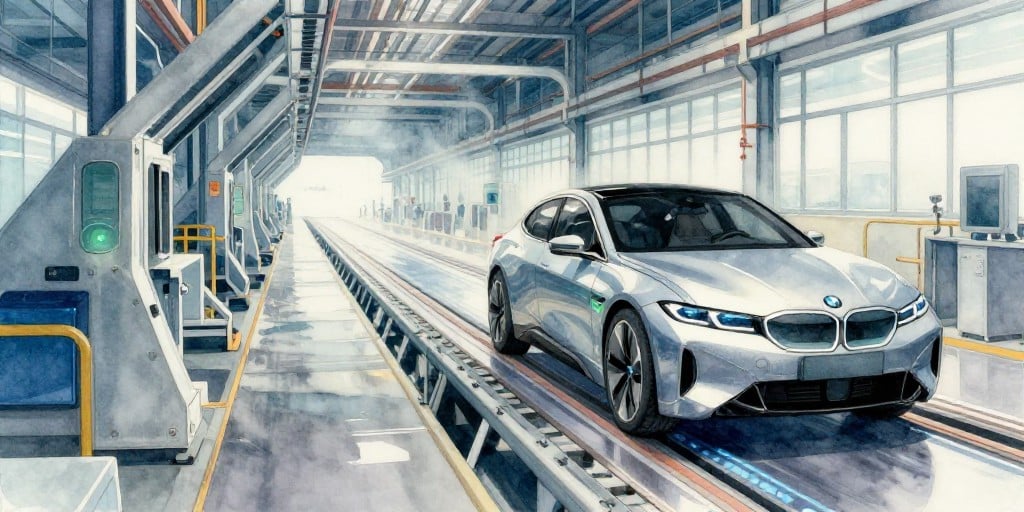
Strategic Shift Toward Electrified Powertrains
Bayerische Motoren Werke AG (BMW) has outlined a comprehensive update to its production strategy, signalling a deliberate pivot toward electrified powertrains while preserving a portfolio of traditional internal‑combustion engines. The announcement, made during a recent press briefing, cites evolving market dynamics and regulatory frameworks as primary catalysts for the shift. BMW will continue to supply combustion‑engine variants to customers who still require them, but the emphasis will increasingly fall on plug‑in hybrids and fully electric models.
Drivers of the Transition
BMW attributes the strategic realignment to two intertwined forces:
Policy Incentives – The European Union’s recently expanded “E‑car” subsidy, alongside Germany’s own green transport initiatives, is reshaping consumer preferences toward electric mobility. These incentives are expected to accelerate adoption rates and justify a larger share of electric vehicles in BMW’s output mix.
Competitive Landscape – German rivals such as Audi, Mercedes‑Benz, and Porsche are expanding their electrified lineups, while the overall industry is moving rapidly toward zero‑emission vehicles. To maintain its competitive edge, BMW must increase its electrified production capacity.
Production Adaptations
BMW will reconfigure its German manufacturing facilities to accommodate higher volumes of plug‑in hybrids (PHEVs) and battery electric vehicles (BEVs). The company’s focus on modular production lines is intended to provide flexibility, allowing rapid reconfiguration in response to evolving market demands. This approach also supports the integration of new battery technologies and electric drive systems as they become available.
Key operational initiatives include:
- Supply‑Chain Optimization – BMW is securing critical components for batteries and electric drive systems, with a particular emphasis on long‑term contracts and partnerships with European suppliers. This strategy aims to mitigate the risk of supply bottlenecks amid tightening global trade conditions.
- Quality & Safety Assurance – Despite the shift, BMW reaffirms its commitment to maintaining high safety and quality standards across all models, ensuring that electrified vehicles meet the stringent regulatory requirements of the EU and beyond.
Broader Industry Context
The strategic move comes against a backdrop of growing infrastructure for electric vehicles. Data from Germany’s Federal Network Agency (Bundesnetzagentur) shows a consistent rise in the number of charging points, especially in major urban centers and key logistics hubs. This expansion in public charging infrastructure is a critical enabler for the viability of electrified vehicles, reducing range anxiety and increasing consumer confidence.
Furthermore, the automotive sector is navigating complex international trade tensions. BMW’s management emphasized continued collaboration with European partners to address new trade instruments that may influence the supply of essential components. By engaging proactively with regulators and trade bodies, BMW seeks to safeguard its supply chain resilience and support the long‑term sustainability of its operations.
Strategic Outlook
BMW’s long‑term strategy remains anchored in innovation and sustainability. The company positions itself to meet evolving expectations of consumers and regulators alike, while maintaining a diversified portfolio that balances the legacy strengths of its combustion‑engine lineup with the future potential of electric mobility. The transition to electrification is framed not merely as a response to policy but as a forward‑looking investment in a cleaner, more resilient automotive ecosystem.