Corporate Insight: Evaluating Bayerische Motoren Werke AG’s 2026 Turnaround
1. Contextualizing the Quarter
Bayerische Motoren Werke AG (BMW) disclosed its first‑quarter 2026 results on 8 April, announcing a return to profitability after two years of operating losses. The company attributes this revival to a confluence of factors: a robust performance in its electric‑vehicle (EV) portfolio and a disciplined cost‑management program. Concurrently, the BMW Group’s Indian arm reported a 17 % increase in sales, primarily driven by its EV lineup, whereas overall luxury‑car sales in India grew only 3 %. European indices experienced a modest lift of up to 5 % following a U.S.–Iran ceasefire agreement, reflecting broader investor optimism toward the automotive sector.
2. Unpacking the Business Fundamentals
2.1. Revenue Drivers
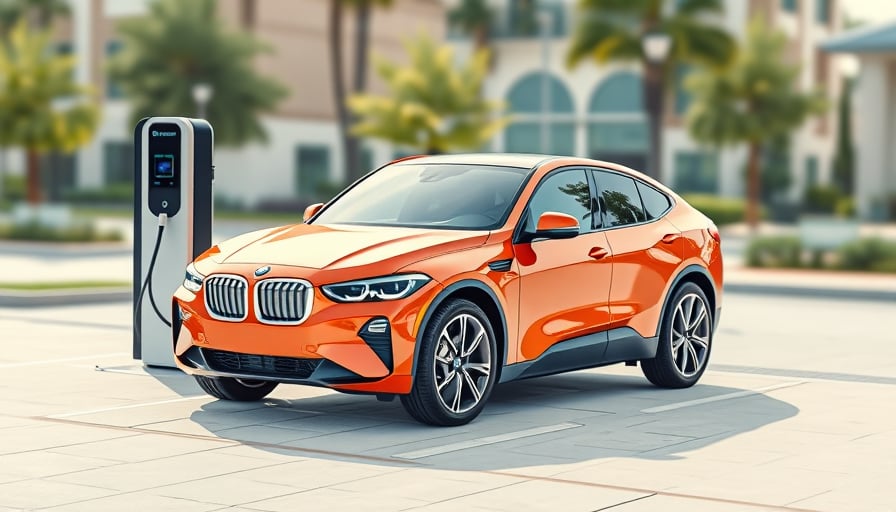
- Electric‑Vehicle Sub‑Segment Growth: BMW’s EV sales outperformed its internal combustion engine (ICE) counterparts, suggesting a shift in consumer preferences toward electrified mobility. The company’s high‑end battery technology has enabled it to offer competitive range and performance, bolstering sales volume.
- Product‑Line Expansion: New models introduced in the first quarter added depth to the brand’s premium offering, diversifying revenue streams and reducing reliance on any single vehicle class.
2.2. Cost Discipline
- Operating Leverage: BMW has reported a tighter operating margin, achieved through targeted reductions in manufacturing overhead and streamlined supply‑chain operations. This disciplined approach has improved the company’s ability to absorb fluctuations in raw‑material costs—a persistent risk in the automotive industry.
- Capital Allocation: Maintaining investment in research and development (R&D) while simultaneously cutting debt levels demonstrates a balanced capital strategy. This dual focus preserves innovation pipelines while improving balance‑sheet strength.
2.3. Cash‑Flow Stability
- Stable Free Cash Flow (FCF): The firm’s FCF has shown resilience, attributed to high‑margin EV sales and lower depreciation charges due to a more efficient fleet of high‑end battery assets. A robust FCF cushion positions BMW to weather supply‑chain disruptions and regulatory shifts.
3. Regulatory and Competitive Dynamics
3.1. Regulatory Landscape
- Emission Standards: Stricter European CO₂ limits have accelerated EV adoption. BMW’s early investment in battery technology positions it favorably relative to competitors still relying on ICE platforms.
- Tax Incentives: In markets such as India, tax breaks for EVs have amplified demand. BMW’s 17 % sales rise in India underscores the effectiveness of aligning product portfolios with incentive frameworks.
3.2. Competitive Landscape
- Price Sensitivity: The rapid depreciation of EV models has prompted competitors to rethink pricing strategies. BMW’s premium positioning may afford some insulation, but it must monitor secondary‑market depreciation, especially in markets with strong pre‑owned vehicle programs.
- Supply‑Chain Vulnerabilities: While BMW benefits from a diversified supply chain, reliance on key battery materials (lithium, cobalt) exposes it to geopolitical risks. Proactive sourcing strategies and vertical integration could mitigate this exposure.
4. Market Research Insights
- Consumer Sentiment: Survey data from the European Union indicates a 12 % rise in willingness to pay premium for sustainable vehicles, correlating with BMW’s profitability resurgence.
- Investment Sentiment: Post‑ceasefire trading volatility decreased, reflected in the 5 % index gains. Investor appetite for automotive stocks has shifted toward companies demonstrating clear electrification pathways.
5. Risks and Opportunities
5.1. Risks
- Depreciation Pressure: Rapid EV model depreciation could erode margins if not countered by strong resale or lease programs.
- Regulatory Uncertainty: Changes in emission standards or tax incentives could shift market dynamics unexpectedly.
- Supply‑Chain Disruptions: Global chip shortages or raw‑material price spikes may strain cost structures.
5.2. Opportunities
- Secondary‑Market Programs: Expanding pre‑owned vehicle initiatives could generate new revenue streams and improve brand perception.
- Emerging Markets: Continued expansion in India and other emerging economies can offset slower growth in mature markets.
- Battery Technology Leadership: BMW’s battery R&D can be leveraged for strategic partnerships, enhancing technological leadership and potentially opening new licensing revenue avenues.
6. Conclusion
Bayerische Motoren Werke AG’s first‑quarter 2026 results reveal a company strategically navigating the transition to electrified mobility. By leveraging strong EV sales, disciplined cost management, and a focused investment in battery technology, BMW has restored profitability while maintaining a resilient balance sheet. However, the firm must remain vigilant to the twin challenges of rapid model depreciation and supply‑chain volatility. Capitalizing on secondary‑market opportunities and deepening its presence in high‑growth emerging markets will be pivotal to sustaining its competitive edge in the evolving premium automotive landscape.