
Executive Summary
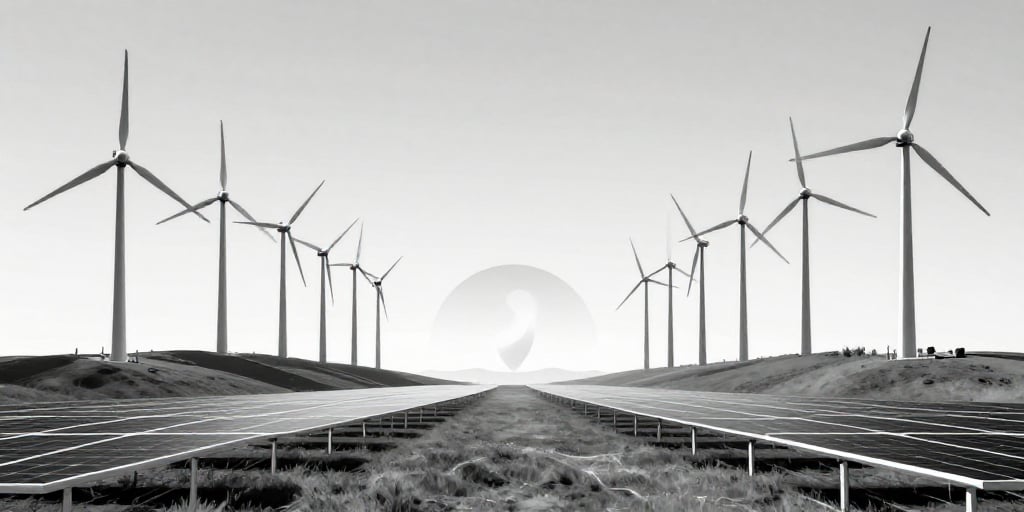
Blackstone Inc., a global private‑equity powerhouse, has pledged up to €2 billion to acquire a 24.7 % equity stake in Eurowind Energy, a Danish renewable‑energy developer with a diversified portfolio spanning wind, solar, battery storage and biogas projects across 16 European markets. The transaction is slated for completion by the end of 2026.
In parallel, Blackstone‑affiliated vehicles have filed disclosure documents concerning positions in Senior plc and other entities, underscoring an active engagement strategy in the broader financial markets. These filings, while not signalling new operational moves for Blackstone, reflect the firm’s ongoing interest in capital allocation across various sectors.
The Eurowind investment underscores Blackstone’s strategic intent to deepen its footprint in Europe’s accelerating clean‑energy transition, aligning with broader industry trends and regulatory momentum that favour sustainable infrastructure.
Market Context
Regulatory Landscape
European Union policy frameworks—such as the Fit for 55 package, the European Green Deal, and national decarbonisation targets—have created a robust policy environment for renewable energy. The EU’s Renewable Energy Directive mandates an overall 32 % share of renewables in the energy mix by 2030, with member states setting national targets that are increasingly ambitious.
- Germany is expanding offshore wind capacity, targeting 30 GW by 2030.
- France is enhancing its solar portfolio to meet a 32 % renewable share by 2030.
- Poland and Romania are moving from coal to renewables, offering attractive subsidy frameworks for developers.
These regulatory incentives are paired with green financing mechanisms, including the EU Green Bond Market, and the Sustainable Finance Disclosure Regulation (SFDR), which mandates disclosure of sustainability risks for asset managers.
Market Data
- European renewable capacity grew by 12 % in 2023, driven largely by wind and solar.
- Capex in the sector reached €60 billion in 2023, with wind alone attracting €32 billion.
- Investor sentiment has trended bullish, with ESG‑aligned funds capturing over 30 % of total inflows into renewable assets in 2023.
Eurowind’s operations in Romania—a country with a 10 GW wind potential—position it to benefit from subsidy‑rich environments and a low cost of capital.
Strategic Implications for Blackstone
| Aspect | Analysis | Strategic Outcome |
|---|---|---|
| Capital Allocation | €2 billion commitment aligns with Blackstone’s broader €70 billion renewable‑energy pipeline, providing diversification across wind, solar, storage and biogas. | Positions Blackstone as a major stakeholder in Europe’s decarbonisation trajectory, generating long‑term stable cash flows from diversified assets. |
| Competitive Dynamics | Key competitors—BlackRock, Brookfield, and Macquarie—have increased renewable exposure, yet Blackstone’s focused €2 billion stake offers a significant equity position relative to peers. | Enhances Blackstone’s influence over project timelines and policy lobbying, enabling it to shape market developments. |
| Regulatory Leverage | The transaction aligns with EU climate goals and is likely to receive favorable tax treatments under the EU’s sustainable finance framework. | Reduces regulatory risk and opens avenues for green bond issuance tied to the project. |
| Operational Synergies | Eurowind’s existing project pipeline, coupled with Blackstone’s expertise in asset optimisation, can accelerate development timelines. | Improves the operational efficiency of wind and solar farms, enhancing yield over the project lifecycle. |
Long‑Term Implications for Financial Markets
Capital Flow Shift The Eurowind deal exemplifies a trend where private‑equity capital is increasingly directed toward renewable infrastructure. This shift will likely accelerate the transition from traditional fossil‑fuel assets to renewables, reshaping asset‑pricing models across the sector.
Risk‑Adjusted Returns With regulatory certainty, the risk premium on renewable assets is expected to diminish over the next decade, potentially raising valuations but also offering attractive risk‑adjusted returns for long‑dated investors.
Liquidity Development As large‑scale renewable projects mature, secondary markets for renewable asset ownership are poised for growth. Blackstone’s stake may become a liquidity catalyst, attracting institutional investors seeking exposure to low‑volatility, dividend‑yielding renewable infrastructure.
ESG Integration The transaction bolsters Blackstone’s ESG profile, reinforcing the firm’s commitment to sustainability and aligning with ESG mandates of major pension funds and sovereign wealth funds.
Emerging Opportunities
| Opportunity | Rationale | Potential Return |
|---|---|---|
| Off‑shore wind expansion in the North Sea | Rising EU demand and existing EU subsidies for offshore wind | High yield, strong policy support |
| Battery storage for grid stability | Growing need to accommodate intermittent renewable output | Medium‑high returns, regulatory incentives |
| Biogas in Eastern Europe | Low carbon intensity and abundant agricultural waste | Moderate returns, strategic diversification |
| Solar‑thermal hybrids in Southern Europe | Seasonal demand for heat, EU green tax incentives | Medium returns, climate resilience |
Investment Recommendations
- Allocate Capital: Institutions should consider increasing exposure to Blackstone‑backed renewable projects, leveraging the firm’s track record in scaling assets.
- Monitor Regulatory Developments: Keep abreast of EU climate policy shifts, as changes in subsidy levels or carbon pricing can materially impact project economics.
- Evaluate ESG Metrics: Incorporate Blackstone’s renewable investments into ESG‑driven mandates, aligning with fund policies that prioritise low‑carbon portfolios.
- Consider Secondary Markets: Explore opportunities to acquire secondary stakes in Eurowind or similar assets, capitalising on early‑stage appreciation and established cash flows.
Closing Thought
Blackstone’s €2 billion investment in Eurowind Energy is a calculated maneuver that dovetails with European policy imperatives, market demand for clean energy, and the private‑equity sector’s evolving focus on sustainability. For investors, the deal represents a tangible entry point into a high‑growth, policy‑backed market that offers both financial returns and alignment with global climate objectives.