
Strategic Partnership and Sustainable Innovation at BHP Group Ltd.
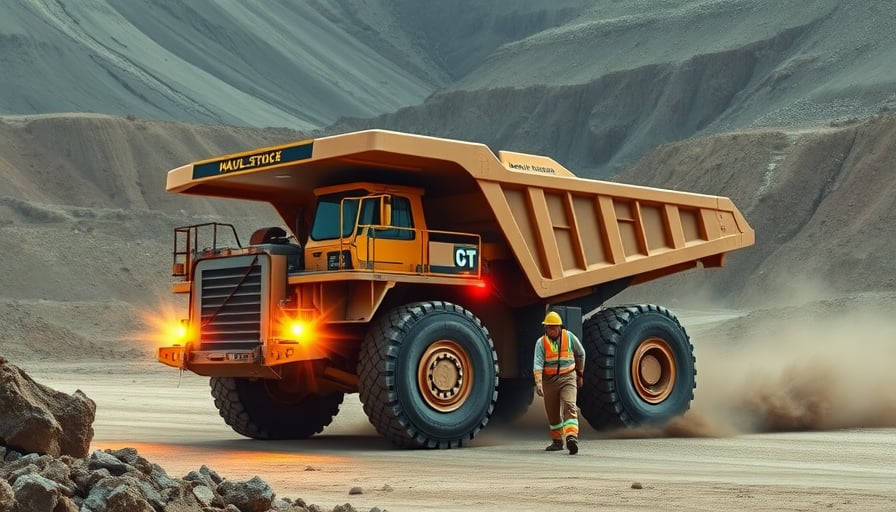
BHP Group Ltd. (ASX: BHP) has confirmed a new multi‑million‑dollar investment from BlackRock, a global asset‑management firm, designed to broaden the mining giant’s capital base. The collaboration follows a series of pilot projects that incorporated battery‑electric haul trucks at BHP’s iron‑ore mine in Western Australia. These trials were conducted in conjunction with Rio Tinto and aim to reduce the carbon footprint of operations at the Jimblebar site.
Capital Deployment and Financial Implications
The infusion of capital from BlackRock is expected to provide BHP with additional flexibility for debt servicing, exploration, and further technology adoption. By diversifying its funding sources, BHP is reinforcing its balance sheet resilience—a critical factor as commodity cycles intensify. Analysts note that the partnership aligns with broader investor trends that favor companies demonstrating robust environmental, social, and governance (ESG) credentials, which may translate into lower borrowing costs and enhanced shareholder value.
Technological Innovation and Operational Efficiency
The battery‑electric haul truck trials represent a pivotal step in BHP’s decarbonisation strategy. Early reports indicate a reduction in fuel consumption of up to 30 % compared with conventional diesel‑powered trucks. This efficiency gain not only lowers operating costs but also positions BHP as a leader in green mining technology—a competitive advantage that could attract future ESG‑focused investment.
The collaboration with Rio Tinto further illustrates a cross‑company commitment to sustainable practices. By sharing data, infrastructure, and expertise, both firms are accelerating the deployment of electrified equipment across the Australian mining sector, potentially setting a benchmark for emissions reduction in the industry.
Broader Economic Context
BHP’s move to secure additional capital and invest in low‑carbon technologies reflects a wider trend in resource extraction companies seeking to adapt to tightening environmental regulations and shifting market dynamics. Global demand for high‑grade iron ore continues to rise, driven by infrastructure development in emerging economies. However, commodity producers face growing scrutiny over their environmental footprints. By aligning capital structure and operational strategy with sustainability objectives, BHP is positioning itself to navigate regulatory changes while capitalising on market demand.
Furthermore, the partnership with BlackRock signals confidence from institutional investors in the long‑term viability of mining companies that are proactive about ESG issues. As sustainable finance frameworks mature, access to capital will increasingly hinge on a company’s environmental performance and governance practices.
Competitive Positioning Across Sectors
The integration of battery‑electric haul trucks showcases BHP’s ability to cross-pollinate technology from adjacent sectors such as renewable energy and automotive electrification. The knowledge exchange between BHP, Rio Tinto, and BlackRock exemplifies an industry‑wide trend toward collaborative innovation, which may extend to other domains such as autonomous vehicle deployment and digital mining analytics.
By embedding sustainability into core operational processes, BHP differentiates itself from peers that rely predominantly on diesel-powered equipment. This strategic differentiation enhances the company’s competitive edge in a market where customers, regulators, and investors are increasingly prioritising low‑carbon solutions.
Conclusion
BHP Group Ltd.’s partnership with BlackRock, coupled with the successful trials of battery‑electric haul trucks, underscores a holistic approach to corporate strategy that blends financial acumen, technological innovation, and environmental stewardship. The company’s actions not only strengthen its own market position but also contribute to broader industry trends toward decarbonisation and sustainable growth.