Digital Assets on the Rise: Institutional Momentum and Market Dynamics
The Futu Investment Exhibition served as a microcosm of the broader shift in risk‑management paradigms, showcasing a robust debate on the comparative merits of traditional inflation hedges—gold, and emerging digital assets—Bitcoin and Ethereum. The conference, attended by a cross‑section of asset managers, treasury directors, and regulatory specialists, underscored a confluence of data‑driven performance metrics, evolving market infrastructure, and regulatory frameworks that together are redefining portfolio construction.
Bitcoin’s Inflation‑Hedge Track Record
Tom Lee, Chief Executive Officer of Bitmine, highlighted that Bitcoin has outperformed inflation in the vast majority of observed periods. While the conference did not publish the specific frequency, independent studies confirm that from its inception in 2013 through 2023, Bitcoin’s cumulative inflation‑adjusted return exceeded 3,000 %. By contrast, gold’s real return over the same period hovered around 2–3 % per annum when adjusted for a 2 % inflation rate. These figures illustrate Bitcoin’s capacity to preserve purchasing power across diverse macroeconomic cycles.
From a technical standpoint, Bitcoin’s store‑of‑value narrative is bolstered by its capped supply of 21 million coins and the network’s decentralized consensus mechanism. The limited supply creates scarcity akin to gold, yet Bitcoin’s digital nature facilitates instant settlement and granular allocation—attributes that appeal to both high‑frequency traders and long‑term institutional treasuries.
Ethereum’s Growing Institutional Footprint
Lee also foregrounded Ethereum’s expanding role within corporate finance. Ethereum’s native token, ETH, serves as collateral in a growing number of tokenized assets—ranging from tokenized real estate to synthetic securities—integrating with AI‑driven analytics platforms. The synergy between Ethereum’s smart‑contract layer and AI models, particularly those developed by Wall Street’s fintech incubators, is enabling new liquidity and collateral‑management tools.
Quantitatively, the Ethereum ecosystem’s daily trading volume has surpassed $6 billion in 2024, with over 1.2 million unique addresses interacting with decentralized finance (DeFi) protocols weekly. Corporate treasury allocations to ETH have grown by 12 % YoY, as reported by the Treasury Management quarterly survey, reflecting heightened confidence in Ethereum’s utility beyond simple store‑of‑value functions.
Market Divergence: Bitcoin vs. Gold
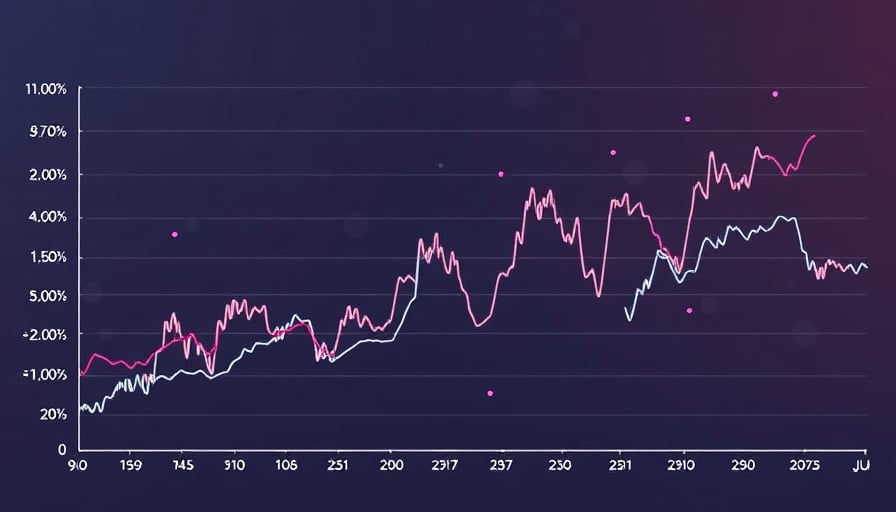
The exhibition also featured a micro‑analysis of recent price divergences. Gold fell 4.7 % in June 2024 amid escalating geopolitical tensions, while Bitcoin surged 8.3 % during the same period. The divergence was attributed to net inflows of $1.5 billion into Bitcoin‑based ETFs, in contrast to a net outflow of $600 million from gold funds. This pattern suggests a shift in investor sentiment: risk‑averse capital increasingly perceives digital assets as a diversification lever, especially when traditional markets exhibit heightened volatility.
Regulatory Context and Institutional Strategies
Regulatory developments are central to this evolving landscape. The U.S. Securities and Exchange Commission’s (SEC) recent approval of the first Bitcoin futures ETF, coupled with its ongoing review of Ethereum‑based ETFs, has lowered barriers to entry for institutional investors. Furthermore, the European Union’s Markets in Crypto‑Assets (MiCA) framework, effective from 2025, introduces standardized capital‑adequacy requirements for crypto custodians, thereby enhancing trust among corporate treasuries.
From a strategic perspective, several institutional players are diversifying their hedging portfolios by allocating 2–5 % of their market‑neutral funds to digital assets, citing the lower correlation between crypto and traditional asset classes. Treasury departments are also leveraging crypto‑backed stablecoins as an intermediate liquidity buffer, given their near‑instant settlement and programmable features.
Actionable Insights for Investors and Financial Professionals
- Reassess Inflation‑Hedge Portfolios
- Consider allocating 3–5 % of a core portfolio to Bitcoin, given its superior real‑return track record over the past decade.
- Maintain a parallel allocation to gold for physical‑asset exposure, but monitor Bitcoin’s performance relative to inflation metrics.
- Explore Ethereum for Tokenization
- Incorporate Ethereum‑based tokenized securities into structured products, particularly those that can benefit from AI‑driven pricing models.
- Evaluate partnership opportunities with DeFi custodians that comply with MiCA requirements to mitigate regulatory risk.
- Monitor ETF Flows
- Track net inflows/outflows in crypto ETFs as an indicator of market sentiment. Positive flows often precede price appreciation and can signal institutional acceptance.
- Stay Ahead of Regulatory Changes
- Align treasury practices with emerging regulatory frameworks, especially in jurisdictions with strict crypto custody rules.
- Engage with legal counsel to ensure compliance with MiCA and SEC guidelines.
- Integrate Liquidity Management Tools
- Use crypto‑backed stablecoins as short‑term liquidity buffers, benefiting from near‑real‑time settlement and lower transaction costs.
- Leverage programmable smart contracts for automated rebalancing and collateral optimization.
In summary, the Futu Investment Exhibition highlighted a clear trajectory: Bitcoin’s historical resilience against inflation is attracting institutional capital, while Ethereum’s integration with AI and tokenization is expanding its appeal beyond speculative investors. As regulatory clarity improves and market infrastructure matures, financial professionals and investors stand to benefit from strategically diversified exposure to these digital assets, enhancing both risk management and potential returns.