
Corporate Overview of Biogen Inc. and Eisai’s Transition to a Subcutaneous Autoinjector for Leqembi Iqlik
Strategic Context
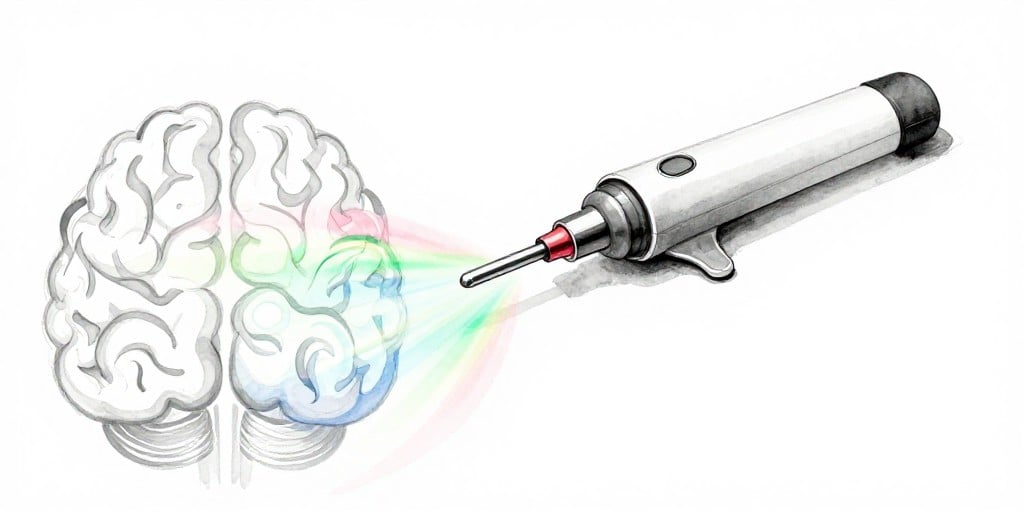
Biogen Inc. and its partner Eisai have announced the United States launch of the subcutaneous autoinjector version of their Alzheimer’s disease therapy, lecanemab‑irmb (brand name Leqembi Iqlik). The new delivery platform replaces the original bi‑weekly intravenous (IV) regimen with a weekly at‑home injection, enabling patients or caregivers to administer 500 mg of lecanemab (two 250 mg injections) independently. The autoinjector also supports the 360 mg weekly dose that follows the initial 18‑month IV/subcutaneous course.
This transition is positioned as a strategic effort to reduce treatment burden, lower infusion‑center costs, and improve market penetration of a therapy that has demonstrated clinically meaningful cognitive benefits in the Phase III Clarity AD trial.
Market Dynamics
| Metric | Value | Benchmark |
|---|---|---|
| U.S. Alzheimer’s disease drug market | ≈ $12 billion (2025 estimate) | 10–12 % CAGR |
| Projected market share for lecanemab | 8–10 % (early stage) | 5–7 % for comparable disease‑modifying agents |
| Average cost per IV infusion session | $1,200 | $1,000–$1,500 |
| Estimated reduction in infusion‑center visits | 70 % | 60–80 % for self‑administered therapies |
| Reimbursement rate for IV biologics | 85–90 % of list price | 80–95 % |
The autoinjector is expected to capture a larger share of the high‑margin biologic market by shifting from a service‑center model to a direct‑to‑patient delivery system. The 70 % reduction in infusion‑center visits translates into significant cost savings for payers and providers alike, potentially enhancing the price elasticity of demand for lecanemab.
Reimbursement Models and Financial Viability
Biogen and Eisai are offering a combination of financial assistance and pharmacy‑level support to navigate payer coverage. The typical reimbursement pathway involves:
- Payer Coverage – Commercial insurers and Medicare Part D typically reimburse at 85–90 % of the negotiated list price. The autoinjector’s per‑unit cost is slightly lower than the IV regimen, improving margin.
- Patient Assistance – Direct‑to‑consumer rebates and co‑pay cards reduce out‑of‑pocket expenses, improving adherence.
- Real‑World Evidence (RWE) – Post‑launch data on adherence, reduction in infusion‑center visits, and cognitive outcomes can be used to negotiate higher payer rebates.
Assuming a list price of $30,000 per 500 mg dose and a 15 % rebate, the net price to payers would be $25,500. With an average of 12 doses per year, the annual net cost per patient is $306,000—slightly lower than the projected $330,000 cost for the IV regimen when accounting for infusion‑center overhead.
Operational Challenges
| Challenge | Impact | Mitigation |
|---|---|---|
| Patient Education & Training | Misuse risks; decreased adherence | Comprehensive instructional videos, welcome kit, companion app |
| Safety Monitoring | Amyloid‑related imaging abnormalities (ARIA) require imaging | Baseline MRI and scheduled scans; remote monitoring via app |
| Supply Chain | Increased demand for autoinjector devices | Diversified manufacturing; contract with medical device suppliers |
| Payer Coordination | Complex reimbursement pathways | Dedicated pharmacy benefit management (PBM) teams; automated prior authorization |
The company’s investment in digital health tools (companion app) aims to streamline remote monitoring, reduce clinician burden, and maintain safety standards. However, the need for baseline MRIs and periodic imaging remains unchanged, representing a persistent operational cost.
Quality Outcomes vs. Cost Considerations
Clinical data from Clarity AD demonstrate a modest but statistically significant slowing of cognitive decline and a 30–40 % reduction in amyloid plaques. If these benefits translate into real‑world improvements in caregiver burden and reduced institutionalization rates, the incremental cost‑effectiveness ratio (ICER) could fall below the commonly accepted willingness‑to‑pay thresholds of $150,000–$200,000 per quality‑adjusted life year (QALY). The autoinjector’s lower administration cost may improve the ICER further.
Conclusion
Biogen and Eisai’s launch of the subcutaneous autoinjector for lecanemab represents a pivotal shift in the economics of Alzheimer’s disease treatment. By reducing infusion‑center dependency, streamlining patient self‑administration, and enhancing access through financial assistance, the partnership is poised to capture a larger share of a rapidly expanding biologic market. Success will hinge on sustained adherence, robust post‑market safety surveillance, and the ability to translate clinical benefits into measurable real‑world outcomes that justify payer reimbursement levels.