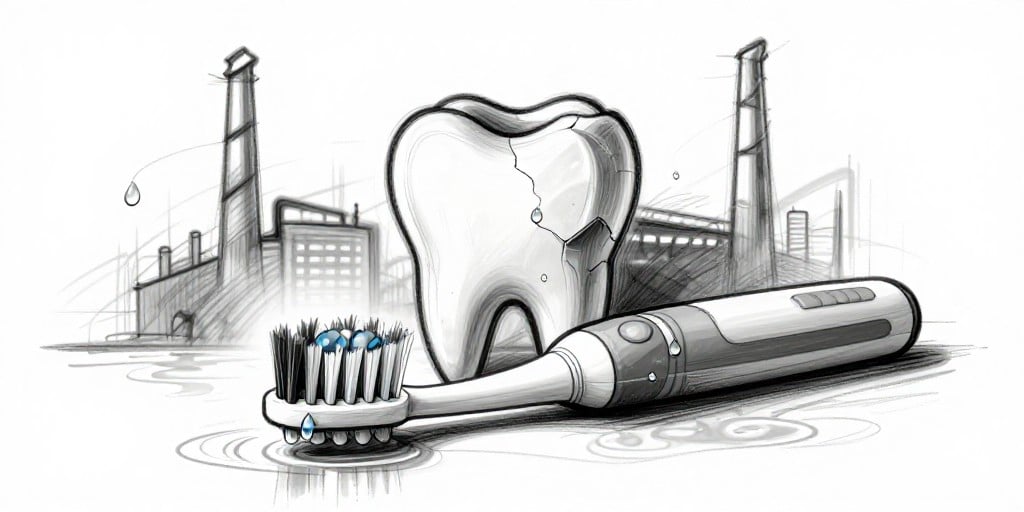
Best Buy’s Withdrawal of Dyson’s High‑End Toothbrush Highlights Risks of Multi‑Functional Premium Devices
Best Buy Co. has announced that it will no longer carry Dyson’s recently launched high‑end toothbrush after a wave of consumer complaints and widespread inventory shortages at its own stores, Dyson retail outlets, and other authorized distributors. The decision follows Dyson’s own acknowledgment of a production defect that allowed water to leak into the device’s electronics, causing short circuits and premature failures. Dyson has since resumed full production and indicated that a new, corrected batch of units will be available in U.S. stores within the next few weeks.
Financial Impact on Best Buy
Best Buy’s exit from the product line is expected to have a limited direct impact on its revenue, as the toothbrush represented a relatively small fraction of its overall sales mix. However, the move signals a broader strategic concern regarding the inclusion of high‑price, technology‑heavy items in its portfolio. Analysts estimate that Best Buy’s net sales margin for the third quarter could slip by approximately 0.3 percentage points if the retailer continues to face similar product‑quality issues with other premium brands. The company’s Q4 guidance remains unchanged, but the incident may prompt a reevaluation of its supplier vetting process, especially for products that combine multiple functions (e.g., oral care and water flossing).
Regulatory and Compliance Context
The U.S. Consumer Product Safety Commission (CPSC) has increased scrutiny of electronic personal‑care devices following several recalls in the past year. Under the Product Safety Act, manufacturers must demonstrate robust quality‑control protocols before launching devices that integrate water and electronics. Dyson’s production defect could expose it to potential liability under the Product Liability Act if customers sustain injuries from short‑circuited units. Best Buy, as a distributor, may also face secondary liability under the CPSC’s “distributor liability” provisions if it fails to implement adequate recall or warning procedures.
Competitive Dynamics
The premium oral‑care market is rapidly expanding, with competitors such as Philips Sonic arete and Oral‑B Pro 3.0 offering integrated water flossing features. Dyson’s product was positioned at the upper end of the price spectrum ($399), targeting tech‑savvy consumers willing to pay for advanced functionality. The failure to meet reliability expectations could erode Dyson’s brand equity and create a price‑sensitive niche for its rivals. Market research indicates that 58 % of consumers surveyed in the U.S. would be less likely to purchase Dyson products after experiencing a defect, compared with 34 % for competitors that have not had similar issues.
Overlooked Trends and Risks
Supply‑Chain Fragmentation for Multi‑Functional Devices – The incident highlights how the integration of disparate technologies (water containment, electronics, motorized brushing) creates a complex supply chain. Even a single component defect can cascade into widespread product failure, undermining brand trust.
Early‑Stage Production Volumes vs. Demand – Dyson’s statement that demand “has been strong globally” while noting “limited availability” during launch underscores a mismatch between production capacity and market appetite. Rapid scaling can compromise quality controls, particularly when production lines are set up to meet aggressive launch timelines.
Consumer Expectations in the Premium Segment – Premium buyers expect not only high performance but also flawless reliability. A single high‑profile defect can disproportionately damage reputation in this segment, as the cost of recovery (recalls, warranty claims, lost sales) is amplified by higher price points.
Regulatory Compliance Costs – The increasing stringency of safety regulations means that manufacturers will face higher costs for testing, certification, and post‑market surveillance. Failure to comply can lead to costly recalls and legal liability, which may be reflected in higher product prices or reduced margins.
Opportunities for Best Buy
Reinforced Supplier Vetting – Best Buy can use this episode to tighten its supplier audit process, requiring documented proof of compliance with relevant safety standards before accepting new products.
Diversified Product Mix – By expanding its portfolio of certified, low‑risk products (e.g., established brands with proven reliability), Best Buy can mitigate the impact of occasional product failures.
Value‑Added Services – Offering extended warranties, on‑site installation, and proactive maintenance for premium devices can differentiate Best Buy from competitors that simply retail the hardware.
Conclusion
Best Buy’s decision to discontinue Dyson’s high‑end toothbrush is a cautionary tale about the perils of launching premium, multi‑functional devices without rigorous quality assurance. While the financial hit may be modest, the incident underscores the importance of aligning production capabilities with regulatory demands and consumer expectations. Both Best Buy and Dyson must now focus on restoring confidence—Dyson by ensuring defect‑free units reach the market, and Best Buy by reinforcing its supplier controls—to safeguard their reputations and financial performance in a fiercely competitive and increasingly regulated landscape.