Background
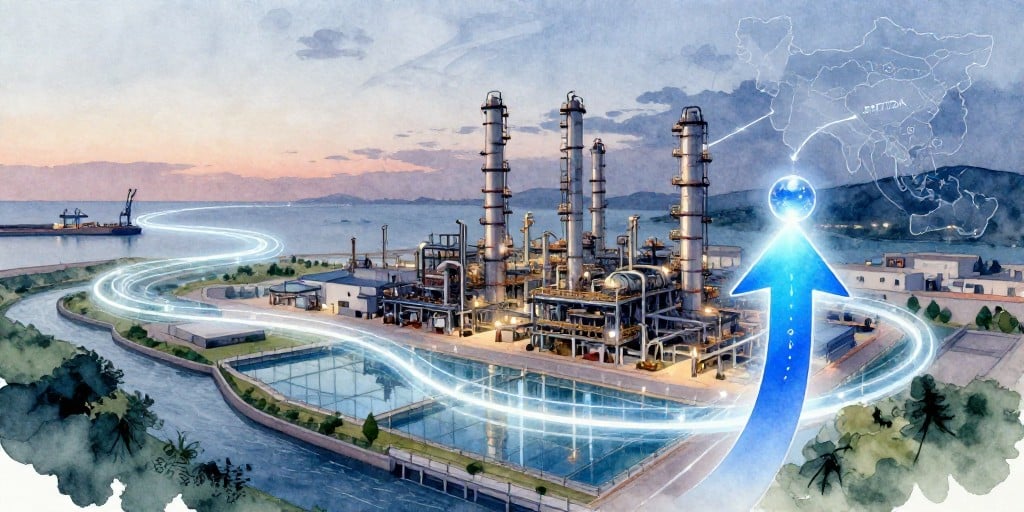
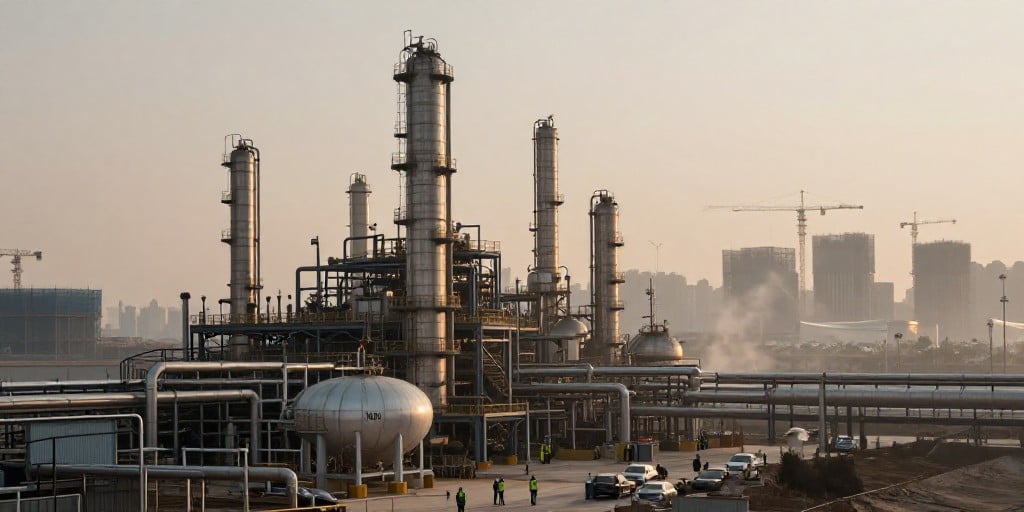
BASF SE, the world’s largest chemical producer, has announced the commissioning of a new methylene diphenyl diisocyanate (MDI) plant at its Verbund site in Geismar, Louisiana. The investment represents the largest wholly‑owned project the company has undertaken in North America to date. Once operational, the facility is projected to almost double BASF’s annual MDI output to approximately 600,000 metric tons.
MDI is a critical feedstock for polyurethane (PU) manufacturing, which underpins a wide range of products in construction, automotive, and consumer goods. By expanding capacity closer to major U.S. customers, BASF aims to reinforce its position as a primary supplier of raw materials for these polyurethane‑based applications.
Strategic Rationale
Proximity to Key Customers
The United States remains a strategic focus for BASF, as emphasized by the company’s board chairman. Bringing production closer to a geographically dispersed customer base reduces lead times, lowers logistics costs, and enhances serviceability. This proximity is expected to generate long‑term growth for customers while strengthening BASF’s core business relationships.
Capacity Expansion and Innovation
The new MDI plant will support a broader strategy of increasing production capacity in regions with high demand. With the facility’s completion on schedule, BASF demonstrates its ability to deliver complex infrastructure projects on time—a key attribute in maintaining competitiveness in capital‑intensive chemical markets. The expanded capacity also provides a platform for future process innovations aimed at improving yield, reducing energy consumption, and minimizing environmental impact.
Market Positioning in Polyurethane Supply
Polyurethane is a cornerstone commodity for the chemical industry, driving demand for MDI globally. By expanding its supply chain in North America, BASF is positioning itself to better serve the U.S. market while also ensuring a stable feedstock pipeline for its global operations. This strategy supports BASF’s objective to remain a leading supplier of raw materials for polyurethane‑based products across construction, automotive, and consumer goods sectors.
Financial and Market Implications
Analyst Perspectives
- Jefferies has downgraded BASF’s stock to “Underperform,” citing increasing profit‑margin risks anticipated ahead of 2027. The downgrade reflects concerns that rising input costs and competitive pricing pressures may compress margins despite the company’s capacity expansion.
- Berenberg maintains a “Hold” rating, indicating a more neutral view of the company’s outlook. The rating acknowledges BASF’s robust balance sheet and strategic investment in North America but also recognizes the need to monitor margin pressures.
These divergent analyst views highlight the balance BASF must strike between capital investment to secure market position and the need to preserve profitability in a volatile raw‑material environment.
Economic Context
The expansion aligns with broader economic trends that favor domestic production of critical chemical intermediates. In the United States, supply‑chain resilience, trade policy considerations, and the continued growth of the construction and automotive sectors drive demand for polyurethanes. BASF’s investment in the U.S. market is therefore positioned to capitalize on these macro‑economic drivers while mitigating exposure to global supply‑chain disruptions.
Conclusion
BASF’s new MDI production facility in Geismar represents a significant milestone in the company’s North American strategy. By nearly doubling MDI output, the investment strengthens the firm’s position as a key raw‑material supplier for polyurethane‑based applications across multiple industries. While analyst sentiment remains mixed due to margin concerns, the project underscores BASF’s commitment to strategic capacity expansion, timely project delivery, and long‑term customer support within a dynamic global chemical market.