Corporate Update: Fastighets AB Balder’s Strategic Expansion and Financial Outlook
Fastighets AB Balder, a prominent Swedish real‑estate investment firm, has reiterated its long‑term strategy of portfolio growth and value creation through targeted acquisitions and sustainable redevelopment. The company’s recent announcements underscore a disciplined approach to diversification across commercial and residential sectors, while maintaining a robust financial footing and a clear focus on shareholder value.
Portfolio Expansion in High‑Growth Urban Markets
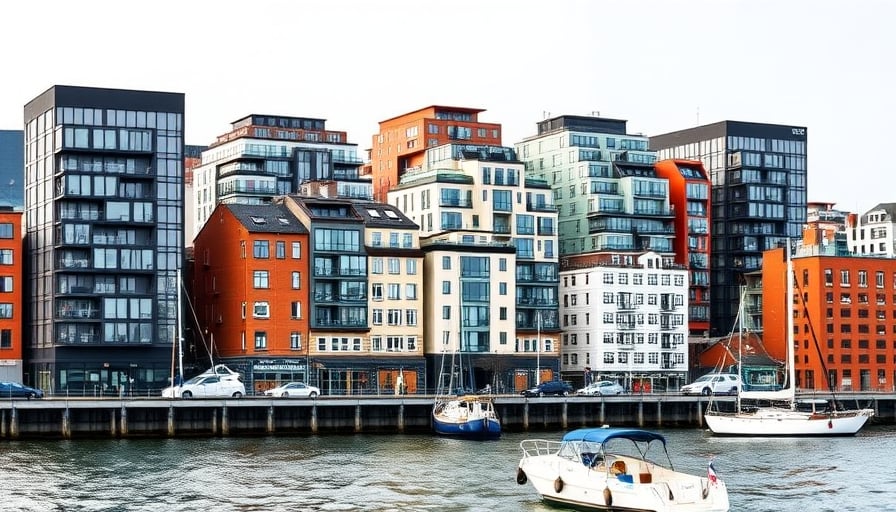
Balder’s acquisition of a mixed‑use development project in Gothenburg marks a significant addition to its urban holdings. The purchase is intended to strengthen the firm’s presence in Sweden’s most dynamic city markets, where demand for combined residential, retail, and office space remains resilient. By expanding its footprint in Gothenburg, Balder positions itself to capture synergies across adjacent segments and benefit from the city’s ongoing urban revitalisation initiatives.
The acquisition aligns with Balder’s broader objective of balancing its asset mix. By adding mixed‑use assets to a portfolio traditionally heavy on commercial office space, the company reduces exposure to sector‑specific downturns and taps into the growing preference for integrated, multi‑functional properties among tenants and investors alike.
Sustainability‑Focused Joint Venture in Stockholm
In addition to the Gothenburg purchase, Balder disclosed a joint venture with a regional developer aimed at refurbishing several older office buildings in Stockholm. The partnership focuses on:
- Sustainability Upgrades: Implementation of energy‑efficient systems, green roofs, and low‑carbon building materials to reduce operational footprints.
- Advanced Building‑Management Technologies: Deployment of IoT‑enabled sensors and analytics platforms to optimize heating, ventilation, and lighting, thereby lowering energy consumption and enhancing tenant comfort.
These initiatives reflect Balder’s commitment to meeting evolving environmental standards and capitalising on the increasing demand for ESG‑compliant real‑estate assets. By integrating advanced management systems, the firm anticipates extended asset life cycles and improved tenant retention rates.
Financial Performance and Capital Position
Balder reported a steady rise in operating income on a year‑to‑year basis, underscoring its ability to generate consistent cash flows from its core activities. Key financial highlights include:
- Stable Earnings Trend: Operating income growth indicates effective cost management and strong revenue streams from leased properties.
- Debt‑to‑Equity Ratio: Remaining within targeted limits, the ratio affords the company flexibility to pursue opportunistic acquisitions without compromising financial stability.
- Resilient Rental Demand: Management cites a robust Swedish property market, supported by sustained demand for both residential and commercial spaces and a favourable macroeconomic backdrop.
These factors collectively enhance Balder’s capacity to fund future expansion projects while maintaining prudent leverage levels.
Dividend Policy and Shareholder Value
Balder’s board approved a modest dividend payout, signalling confidence in the firm’s earnings generation and its commitment to delivering value to shareholders. The dividend policy balances the distribution of surplus cash with the retention of capital needed for:
- Organic Growth: Development of new properties and expansion into emerging mixed‑use and residential segments.
- Portfolio Optimisation: Strategic repositioning of assets to maximise yield and resilience.
- Capitalising on Market Opportunities: Flexibility to acquire assets that align with the firm’s long‑term growth narrative.
By maintaining a dividend while preserving a growth‑oriented balance sheet, Balder demonstrates a measured approach to capital allocation that benefits both current investors and future stakeholders.
Broader Economic Implications
Balder’s activities illustrate how a focused, data‑driven strategy can translate into competitive advantage across sectors:
- Cross‑Sector Diversification: Combining commercial and residential assets reduces cyclical risk and taps into complementary demand drivers.
- Sustainability as a Differentiator: ESG initiatives align with broader regulatory trends and investor preferences, potentially leading to higher valuations.
- Financial Flexibility: Prudent leverage management allows the firm to exploit opportunities in a low‑interest‑rate environment, thereby enhancing shareholder returns.
These dynamics resonate beyond the real‑estate sector, highlighting how disciplined growth, sustainability, and robust financials can serve as a model for companies in other high‑growth markets.
Fastighets AB Balder’s recent strategic moves underscore a disciplined growth philosophy, blending portfolio diversification, sustainability initiatives, and shareholder value creation to navigate an evolving economic landscape.