Corporate Update: Atomic Metals plc Seeks Admission to the AQSE Growth Market
Atomic Metals plc has filed with the Aquis Stock Exchange (AQSE) to gain admission to the AQSE Growth Market, setting the stage for a pre‑IPO fundraising tranche followed by a full public offering. The London‑based entity, headquartered in Windsor, is positioned as a project‑acquisition and development vehicle with a focus on critical and precious metals—including copper, silver, uranium, and gold—within the United States, Canada, and Australia.
Leadership and Governance Structure
The filing lists an executive chairman and an interim chief executive, supported by a panel of non‑executive directors and a board of advisors. The governance framework is designed to comply with the UK Takeover Code, and the company pledges to supply additional investor information on its website upon admission. A twelve‑month lock‑in period will apply to certain directors and shareholders following the admission date, projected for early November.
Capital Structure and Funding Plan
Atomic Metals’ share capital will comprise ordinary shares priced at 0.10 pence each. The company aims to raise approximately two million pounds through a pre‑IPO tranche, with a subsequent IPO tranche contingent on successful admission. Most shares will be freely transferable, although a substantial portion will remain in the hands of a small group of insiders and affiliated parties. The company’s market‑capitalisation is expected to align with the total asset value and cash raised.
Strategic Focus on Resource Exploration
The company’s strategy revolves around creating a self‑sufficient resource‑exploration business that can secure high‑potential discoveries efficiently. By concentrating on jurisdictions it deems most promising, Atomic Metals intends to structure future acquisitions and development projects after listing, thereby positioning itself as an attractive vehicle for investors seeking exposure to critical metals.
Technical Context: Power Generation, Grid Stability, and Renewable Integration
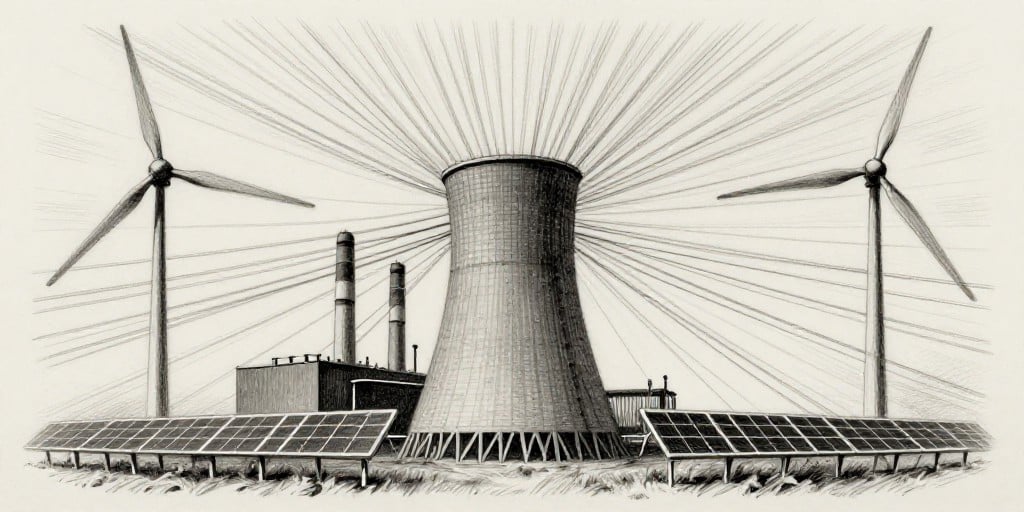
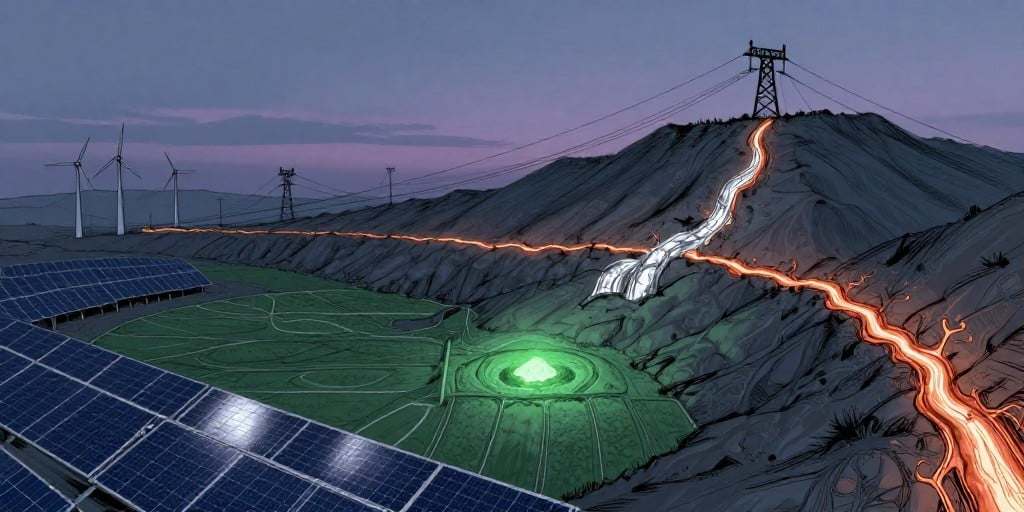
While Atomic Metals’ primary focus lies in mining critical materials, the metals it targets—especially copper and uranium—play a pivotal role in modern power generation and transmission systems. Copper’s electrical conductivity underpins the majority of transmission infrastructure, whereas uranium is essential for nuclear reactors that provide baseload power. The company’s expansion into copper and uranium production may thus intersect with broader grid stability and renewable energy integration challenges.
Grid Stability and the Role of Copper
The surge in renewable penetration has amplified the demand for reliable transmission lines and high‑capacity interconnectors. Copper’s low resistivity and high tensile strength make it ideal for constructing long‑haul HVDC and HVAC cables. However, supply constraints can exacerbate price volatility, affecting grid operators’ capital budgets for new substations and reinforcement projects. Atomic Metals’ exploration of copper deposits could, therefore, contribute to securing supply chains that underpin grid upgrades and reduce the risk of copper shortages that threaten system reliability.
Renewable Integration and the Need for Flexible Generation
Nuclear power, fueled by uranium, remains a cornerstone for baseload and low‑carbon output. As intermittent renewables—solar and wind—scale up, the need for flexible dispatchable resources increases. A steady supply of uranium ensures that nuclear plants can continue to operate as peaking or load‑balancing assets. Atomic Metals’ potential uranium output could support this role, mitigating the economic risks associated with supply disruptions and enabling more aggressive renewable deployment without compromising grid stability.
Infrastructure Investment Requirements
Modernizing transmission and distribution networks to accommodate distributed generation and storage requires significant capital. Regulatory frameworks in the UK and the EU dictate rate‑setting mechanisms that balance consumer affordability with the need to finance grid upgrades. Atomic Metals’ upcoming capital raise could position the company to invest in mining projects that supply critical metals, indirectly supporting infrastructure spending. Moreover, the company’s alignment with UK Takeover Code compliance enhances investor confidence in its governance, which is crucial for securing long‑term financing for such large‑scale projects.
Economic Impacts and Regulatory Considerations
The integration of new metals into the power sector is governed by a complex web of policies, including carbon pricing, renewable portfolio standards, and export controls. Rate structures for consumers are influenced by the cost of grid maintenance and the price of critical raw materials. By securing copper and uranium, Atomic Metals could help dampen commodity‑price spikes that otherwise translate into higher electricity tariffs. Furthermore, the company’s strategic focus on jurisdictions with favorable mining policies may align with national energy strategies, potentially attracting subsidies or tax incentives aimed at boosting domestic metal production.
Conclusion
Atomic Metals plc’s application to the AQSE Growth Market signals a significant step toward establishing a robust pipeline of critical metals that underpin the future of power generation and transmission. By aligning its exploration and acquisition strategy with the pressing demands of grid stability and renewable integration, the company positions itself as a key player in the ongoing energy transition. Investors and regulators alike will closely monitor the company’s progress as it seeks to unlock capital, comply with stringent governance frameworks, and ultimately deliver value through a secure supply of copper, silver, uranium, and gold.