Astera Labs Inc. Surges Amid Renewed Focus on High‑Performance Computing
A Momentary Upswing in a Volatile Landscape
On 27 November 2026, Astera Labs Inc. (NASDAQ: ASTRA) posted a modest yet noteworthy rise, propelling its shares into the upper echelon of the NASDAQ 100 performance index. The uptick, while not a dramatic spike, reflected growing investor appetite for the firm’s cutting‑edge memory‑controller solutions—a core component of the broader high‑performance computing (HPC) ecosystem.
Technology Positioning and Market Dynamics
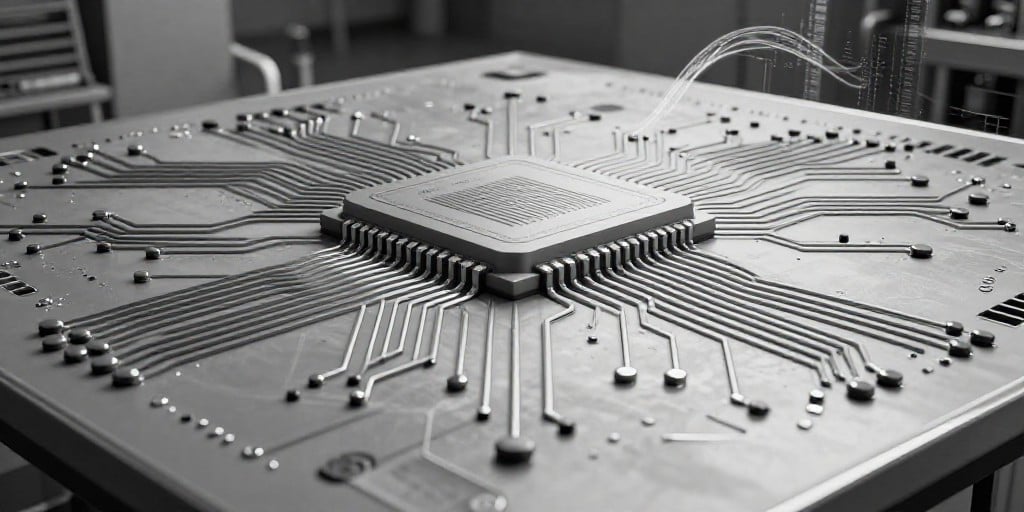
Astera’s product portfolio centers on advanced interconnects and memory‑controller chips that streamline data movement across heterogeneous processors. In an era where artificial intelligence workloads, 5G networks, and edge‑computing demands are escalating, these components have become critical enablers. Analysts have underscored that the firm’s architecture—characterized by low latency and high bandwidth—aligns well with the trajectory toward exascale computing and AI acceleration.
However, the semiconductor arena remains fiercely competitive. Astera’s peers—including NVIDIA, AMD, and Intel—are all expanding their own interconnect and memory solutions, often leveraging proprietary ecosystems. The market’s positive reaction to Astera, therefore, underscores a selective confidence that the company’s technology offers distinct advantages, yet also signals the fragility inherent in a crowded space where incremental gains can be easily eroded by rivals.
Investor Sentiment: A Reflection of Broader Technological Optimism
The modest share price increase may be interpreted as a broader endorsement of the HPC segment rather than an isolated triumph. In the last quarter, several mid‑cap semiconductor firms reported comparable gains, suggesting a market-wide reassessment of growth potential in high‑performance computing infrastructure. This sentiment aligns with a trend toward decoupling from traditional, low‑margin semiconductor manufacturing and moving toward high‑value, application‑specific components that command premium pricing.
Patterns and Emerging Trends
- Shift Toward Application‑Specific Solutions – The industry is pivoting from generic silicon to tailored chips that meet the precise needs of AI, machine learning, and real‑time analytics.
- Consolidation of Interconnect Standards – As interoperability becomes essential, firms that can seamlessly integrate across diverse processor families gain a strategic edge.
- Geopolitical Pressures and Supply‑Chain Reconfiguration – Trade tensions and supply‑chain vulnerabilities are driving demand for domestic production and diversified sourcing, favoring companies with resilient manufacturing footprints.
Astera’s strategic focus on memory‑controller technology positions it favorably within these macro‑trends, yet the company must continue to innovate to sustain its competitive advantage.
Strategic Implications for Astera Labs
- Innovation Pipeline – Accelerating R&D into next‑generation interconnect standards (e.g., CXL, PCIe 5.0+) will be essential to maintain relevance against larger rivals.
- Partnership Ecosystem – Deepening collaborations with system integrators and AI accelerators can create lock‑in effects that mitigate price competition.
- Geographic Expansion – Building or securing manufacturing capacities outside the traditional U.S./China axis could reduce geopolitical risk and appeal to regions with high HPC demand, such as Europe and Asia.
Concluding Assessment
Astera Labs’ modest share rise on 27 November 2026 is emblematic of a sector in flux, where high‑performance computing demands are reshaping the semiconductor landscape. While the company’s memory‑controller offerings have earned investor confidence, sustaining that momentum will require navigating an environment defined by rapid technological evolution and intensified competition. Investors and market observers will likely keep a close eye on Astera’s subsequent product announcements, partnership announcements, and manufacturing strategies to gauge whether the firm can translate its technological strengths into long‑term market leadership.