Strategic Expansion of Launch Capabilities at AST SpaceMobile
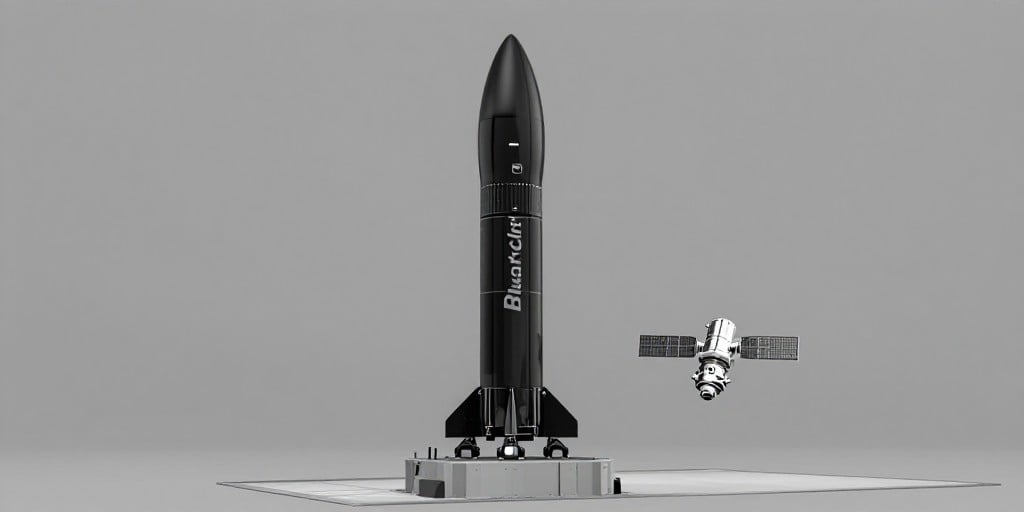
AST SpaceMobile, Inc. announced on 5 November 2026 that it is embarking on a significant vertical‑integration initiative by developing its own 20‑tonne launch vehicle, the Blacklift. The company will deploy its BlueBird satellite constellation into low‑Earth orbit (LEO) using this new vehicle, while continuing to rely on third‑party launch providers for the interim period.
Technical Architecture and Engine Licensing
- Rocket Design: The Blacklift will be a two‑stage vehicle designed to lift payloads of up to 20 tonnes to LEO, matching the mass and volume profile of AST’s BlueBird satellites.
- Engine Supply: The vehicle will be powered by Miranda and Vira engines supplied by Firefly Aerospace. AST has secured a perpetual manufacturing license for these engines at a new U.S. facility, a rare arrangement that provides long‑term cost predictability and protects the company against supply‑chain volatility in a rapidly consolidating propulsion market.
- Manufacturing Facility: The new U.S. plant will house engine production, integration, and vehicle assembly, aligning with the company’s broader strategy to localize critical manufacturing steps and mitigate reliance on overseas suppliers.
Financial and Regulatory Landscape
While the filing did not disclose specific financial figures, the strategic direction carries several fiscal implications:
| Cost Driver | Estimated Impact | Mitigation |
|---|---|---|
| Engine development & licensing | $200–$300 M (perpetual) | Fixed cost via license; spreads over decades |
| Facility construction | $500 M–$800 M | Phase‑in construction; potential DOE grants |
| Vehicle integration & testing | $150–$250 M | Leveraging existing satellite assembly lines |
| Regulatory approvals | N/A | Compliance with FAA’s 2025 launch‑vehicle certification |
| Market risk (satellite demand) | Variable | Diversified client base; phased satellite rollout |
AST’s decision to maintain external launch contracts for more than 100 satellites through 2027‑2028 indicates a prudent risk‑mitigation stance. The company’s contracts with multiple providers (SpaceX, ULA, Arianespace, and others) hedge against launch schedule disruptions and provide a buffer while Blacklift’s development milestones are met.
The company’s emphasis on “regular, unconstrained access to orbit” signals an intention to shift from a capital‑intensive, high‑cost launch model toward an operationally efficient, lower‑per‑launch cost regime. In the broader industry, this mirrors trends seen at SpaceX’s Starship program and Blue Origin’s New Glenn, where vertical integration seeks to internalize launch cost drivers and increase launch cadence.
Competitive Dynamics and Overlooked Trends
- Market Fragmentation: The commercial launch market is consolidating, yet the emergence of dedicated satellite‑launch specialists (e.g., Relativity Space, Firefly) suggests a niche for specialized, low‑to‑mid‑capacity vehicles like Blacklift.
- Regulatory Tightening: FAA’s evolving launch‑vehicle certification pathway imposes stringent safety and reliability requirements, potentially extending the development timeline. However, AST’s partnership with Firefly and use of proven engines may accelerate approval.
- Cost Sensitivity: The satellite industry is increasingly price‑competitive. A vertically integrated launch solution could reduce per‑satellite launch costs by 20–30 %, providing a competitive edge in a market where launch price is a key differentiator.
- Supply‑Chain Resilience: By manufacturing its own engines, AST mitigates risk from geopolitical tensions that have disrupted access to key components (e.g., Russian‑made upper‑stage propulsion).
Potential Risks
- Technical Integration: The success of Blacklift hinges on seamless integration of Miranda/Vira engines with the vehicle airframe. Any delays or performance shortfalls could push the launch start date beyond late‑2028, eroding cost advantages.
- Capital Allocation: The upfront investment is substantial; a misallocation of capital could strain AST’s balance sheet, especially if the satellite market softens post‑pandemic.
- Regulatory Hurdles: FAA certification for a new vehicle type can encounter unforeseen regulatory obstacles, potentially increasing costs and delaying deployment.
- Competitive Response: Larger launch providers may accelerate their own vertical‑integration programs, narrowing the cost advantage that Blacklift aims to secure.
Opportunities
- First‑Mover Advantage: A dedicated 20‑tonne launch vehicle tailored to BlueBird satellites could position AST as a niche leader for low‑to‑medium‑mass payloads, attracting new customers in the LEO services space.
- Economies of Scale: Once operational, Blacklift could service a broader client base beyond AST’s own fleet, opening a new revenue stream.
- Regulatory Leverage: Early engagement with FAA may yield favorable terms and an accelerated certification path, setting a precedent for future launches.
Conclusion
AST SpaceMobile’s strategic shift toward building its own launch vehicle reflects an ambitious, though risky, attempt to capture more value across its satellite ecosystem. By securing perpetual engine manufacturing rights and investing in a dedicated U.S. production facility, the company seeks to mitigate supply‑chain vulnerabilities and achieve significant cost efficiencies. The success of this endeavor will depend on careful execution across technical, financial, and regulatory domains, as well as the company’s ability to navigate an increasingly competitive launch landscape.