ASML Holding N.V.: Geographic Revenue Drivers and Positioning Within the Global Semiconductor Supply Chain
ASML Holding N.V. has long been recognized as the preeminent supplier of extreme ultraviolet (EUV) lithography systems, the cornerstone of advanced semiconductor process nodes. Recent industry analyses have shed new light on how the company’s revenue geography is dictated not by its own manufacturing footprint but by the locations of its customers’ fabs. This insight, coupled with a comparative assessment against Taiwan Semiconductor Manufacturing Company (TSMC), offers a nuanced view of ASML’s strategic leverage and the risks and opportunities it faces in an increasingly fragmented market.
Revenue Geography Reflects Customer Plant Distribution
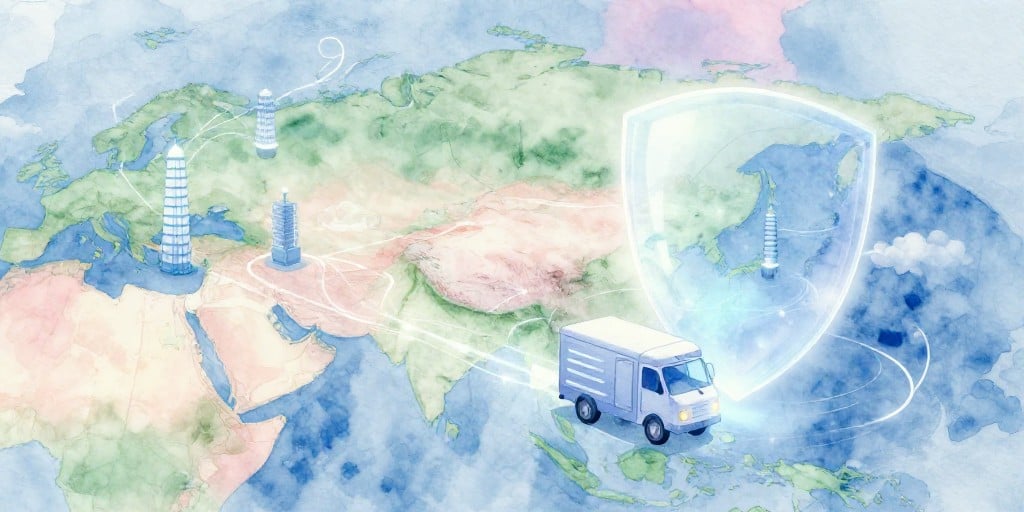
A detailed breakdown of ASML’s first‑half 2024 revenue reveals that approximately 38 % of sales were generated from customers in South Korea, followed by 27 % in Taiwan, 18 % in China, and 15 % in the United States. Notably, ASML’s own manufacturing facilities—primarily situated in Veldhoven, the Netherlands, and a secondary hub in Santa Clara, California—constitute a negligible portion of the geographic distribution. The data suggest that ASML’s revenue is a function of the global dispersion of high‑volume semiconductor fabs rather than the concentration of its production sites.
Implications for Demand Concentration
The concentration of revenue in South Korea and Taiwan underscores the strategic importance of East Asia as the epicenter of advanced chip production. Samsung Electronics and SK Hynix in South Korea, along with TSMC and UMC in Taiwan, are rapidly expanding EUV-capable fabs, driving demand for ASML’s flagship machines. Conversely, the relatively smaller share from the United States may reflect the slower adoption of EUV technology in U.S. fabs, despite significant investment in domestic fabrication capabilities.
Comparative Positioning Against TSMC
While ASML supplies the lithography solutions that enable advanced process nodes, TSMC operates the manufacturing facilities that deploy those solutions. A recent market‑data discussion highlighted two key points:
TSMC’s Unmatched Production Capacity TSMC’s 2024 wafer‑processing throughput is projected to exceed 3.5 million wafers per month, a figure that dwarfs its competitors. This scale grants TSMC considerable bargaining power, not only in raw material procurement but also in negotiating pricing for lithography equipment.
ASML’s Established Market Presence Investors view ASML as a “stable partner” within the semiconductor supply chain, largely because its revenue model is less exposed to the cyclical capital expenditures of fabs. ASML’s market capitalization surpassed €300 billion in early 2024, a testament to the perceived resilience of its customer base and the limited competitive substitutes for EUV technology.
Complementary Dynamics and Potential Tensions
The complementary yet distinct nature of the two firms’ roles can generate both synergies and tensions. On the one hand, ASML benefits from TSMC’s relentless push into smaller nodes, which creates a continuous demand for newer, more capable EUV systems. On the other hand, TSMC’s negotiating leverage could translate into tighter margins for ASML, particularly if TSMC decides to consolidate its lithography supplier base or accelerate the deployment of alternative technologies such as laser lithography or directed self‑assembly.
Regulatory and Supply‑Chain Considerations
ASML’s reliance on East Asian fabs exposes it to geopolitical risks. Recent U.S. export control regulations targeting certain Chinese customers could reduce ASML’s revenue from that region, while trade tensions may influence the pace at which Taiwanese fabs upgrade their EUV capacity. Additionally, the company’s dependence on specialized materials (e.g., high‑purity silicon wafers for EUV mask fabrication) introduces supply‑chain fragility that could be exacerbated by global disruptions.
Opportunities for Diversification
Expanding into Emerging Markets China’s semiconductor industry is rapidly expanding, with significant capital allocation toward EUV-capable fabs. Although current revenue from China remains modest, a strategic focus on this market could capture a larger share of future demand.
Investing in Next‑Generation Lithography ASML’s R&D pipeline includes potential advances in high‑NA EUV and beyond‑EUV technologies. Early investment in these areas could secure a competitive edge over rivals and solidify the company’s leadership in the next wave of process nodes.
Strengthening Value‑Added Services Offering integrated solutions that combine hardware, software, and support services can deepen customer lock‑in, creating recurring revenue streams that mitigate the impact of capital‑intensive procurement cycles.
Risks to Monitor
Competitive Entry Emerging lithography vendors (e.g., Lightelligence, Coherent) are exploring alternative approaches that could erode ASML’s market share if they achieve commercial viability.
Regulatory Constraints Export controls, particularly those targeting China, could restrict ASML’s ability to sell to key customers, forcing the company to pivot its revenue mix.
Supply‑Chain Disruptions A shortage of critical raw materials, such as high‑purity gases or specialized optical components, could delay the deployment of new systems, affecting revenue timelines.
Conclusion
ASML’s revenue geography, tightly linked to the distribution of high‑volume fabs, confirms its role as the backbone of advanced semiconductor manufacturing. While the company enjoys a stable partnership model distinct from the manufacturing dominance of TSMC, it faces a dynamic landscape shaped by geopolitical shifts, regulatory changes, and technological breakthroughs. Investors and industry observers must therefore scrutinize not only ASML’s financial performance but also the broader ecosystem in which it operates, identifying the nuanced risks and opportunities that lie beneath the surface of its impressive market position.