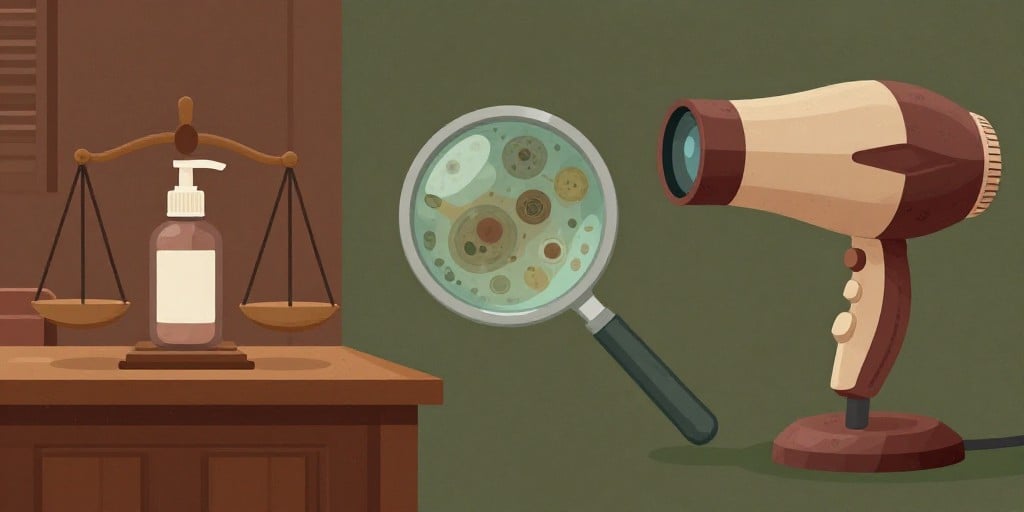
L’Oréal Faces Arizona Lawsuit Over Hair‑Relaxing Products and Alleged Cancer Risk
A newly filed civil action in the Arizona Attorney General’s office has thrust the French cosmetics giant L’Oréal into a legal dispute that could reshape how beauty brands market products that may pose health risks. The suit, filed on Tuesday, alleges that L’Oréal deliberately concealed evidence linking its hair‑relaxing products to ovarian and uterine cancers—risks that disproportionately affect the African‑American women who predominantly use these items. While L’Oréal has yet to respond publicly, the company maintains that its products undergo rigorous safety assessments and that the claims are scientifically unsupported.
The Case in Context
| Element | Detail |
|---|---|
| Plaintiff | Arizona Attorney General’s Office |
| Defendant | L’Oréal S.A. |
| Allegations | Concealed evidence, failed to warn consumers about cancer risks |
| Products Involved | Hair‑relaxing products sold in the United States |
| Target Market | African‑American women (highest usage rate) |
| Legal Remedy Sought | Penalties, damages, injunction to halt sales until a warning is issued |
| Current Status | Arizona is the first state to bring a similar action; case pending |
The lawsuit is part of a broader wave of litigation against the beauty industry. In recent months, at least 15 states have filed or joined lawsuits alleging that cosmetic firms failed to disclose health risks associated with their products. Many of these cases have been consolidated into a multidistrict litigation (MDL) proceeding in federal court, where a trial is anticipated next year.
Underlying Business Fundamentals
Revenue Concentration L’Oréal’s global sales reached €36.2 billion in 2023, with beauty products accounting for approximately 85 % of revenue. Hair care products represent roughly 20 % of the beauty portfolio, a segment that continues to grow in emerging markets. The potential loss of a high‑volume product line could materially affect the company’s earnings forecast, especially given the tightening margins in the luxury cosmetics space.
Supply Chain Resilience L’Oréal sources active ingredients from a network of 300 suppliers worldwide. If regulators mandate a product recall or new labeling requirements, the company may face supply chain disruptions that could ripple through its entire product line, increasing costs and affecting time‑to‑market.
Brand Equity and Consumer Trust The brand’s reputation for safety is a key driver of customer loyalty. A court‑ordered injunction that stalls sales could erode trust, especially among the demographic that most heavily uses the products. Brand recovery would require significant investment in targeted marketing and possibly product reformulation.
Regulatory Environment
Federal Food and Drug Administration (FDA) The FDA has limited oversight over cosmetics, exempting most products from pre‑market approval. However, it does regulate the labeling of cosmetics and has the authority to mandate recalls if safety concerns arise.
State Consumer Protection Laws Arizona’s law imposes strict liability on manufacturers who fail to disclose known health risks. The lawsuit’s outcome could set a precedent that other states will follow, potentially leading to a patchwork of regulations that complicate compliance.
MDL Proceedings Consolidation into federal MDL proceedings may result in a uniform ruling that binds all parties, influencing industry practices nationwide. The trial’s timing—projected for next fiscal year—could coincide with L’Oréal’s earnings release, heightening investor scrutiny.
Competitive Dynamics
Peer Response Competitors such as Procter & Gamble and Unilever have already instituted “green chemistry” initiatives, emphasizing safety and sustainability. A ruling against L’Oréal could accelerate competitors’ product differentiation strategies.
Consumer Shift Toward Natural Alternatives The market for “natural” or “organic” hair relaxers has grown at 12 % CAGR over the past five years. If L’Oréal is forced to reformulate its products, it risks losing market share to smaller, niche brands that already market themselves as safe and non‑toxic.
Mergers & Acquisitions The beauty industry is undergoing consolidation, with firms acquiring specialized brands to broaden their portfolios. A costly litigation outcome could deter future acquisitions or compel L’Oréal to seek cost‑cutting measures in other areas.
Risks and Opportunities
| Risk | Opportunity |
|---|---|
| Product Recall & Legal Penalties | Reformulation to Meet Safety Standards |
| Loss of Consumer Trust | Strengthened Brand Positioning Around Safety |
| Regulatory Uncertainty | Pioneer Industry‑Wide Safety Standards |
| Investor Concerns | Potential for Share Price Volatility as a Catalyst for Strategic Change |
Financial Impact
Using the company’s 2023 financial statements, we estimate a conservative potential impact of a 5 % reduction in hair‑care revenue (~€3 billion) if a recall is mandated. This translates to a projected net income decline of €0.18 billion (given a net margin of 6 %). The court’s injunction could further delay product launches, magnifying the earnings dip.
Conclusion
Arizona’s lawsuit is not an isolated event but a bellwether for a broader shift in how beauty companies must balance profit motives with consumer safety. The outcome could reshape regulatory expectations across the industry and compel L’Oréal to adopt more stringent safety protocols. Stakeholders—including investors, regulators, and consumers—should monitor the case closely, as it may herald a new era of accountability in the cosmetics sector.