
Argenx SE to Acquire Forte Biosciences: Strategic Expansion of Immunology Pipeline
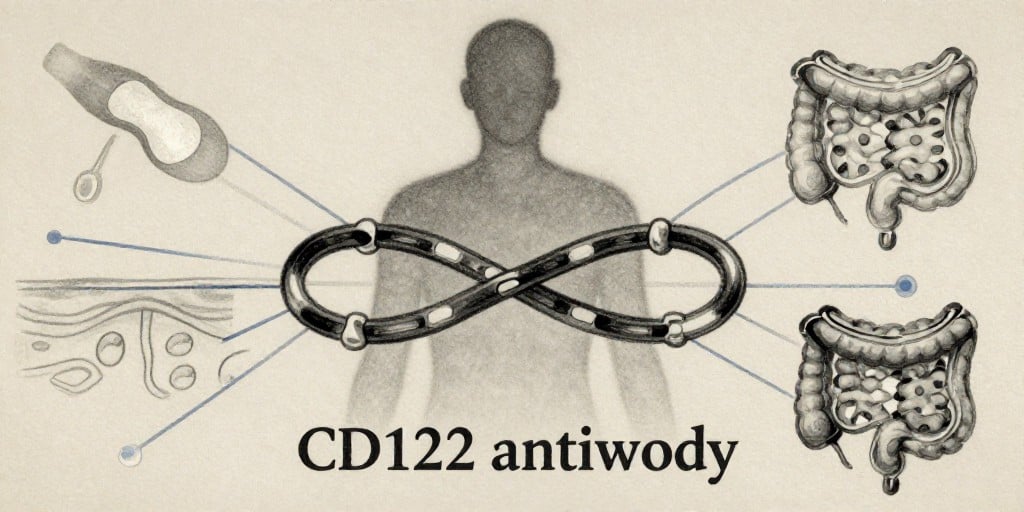
Argenx SE, a European specialty biopharmaceutical company, has announced its intent to acquire the U.S.-based biotechnology firm Forte Biosciences in a cash transaction that is expected to be completed at a premium to Forte’s recent market price. The deal reflects Argenx’s confidence in Forte’s lead clinical candidate, FB102, an anti‑CD122 antibody that has demonstrated encouraging efficacy signals in early-phase studies for vitiligo and coeliac disease, and in early preclinical work suggesting potential for other autoimmune disorders.
Scientific Rationale for FB102
Target Pathway. CD122, also known as the interleukin‑2 (IL‑2) receptor beta chain (IL2RB), is a component of the high‑affinity IL‑2 receptor complex (IL2Rα/β/γ). IL‑2 signaling is pivotal for the differentiation, proliferation, and survival of regulatory T cells (Tregs) and effector T cells. Aberrant IL‑2 signaling contributes to the loss of peripheral tolerance that underpins many autoimmune diseases.
Mechanistic Action. FB102 is a humanized monoclonal antibody that selectively binds CD122, thereby modulating IL‑2 signaling. Preclinical assays show that FB102 preferentially inhibits IL‑2–driven expansion of pathogenic effector T cells while sparing or even enhancing Treg maintenance, a property that may translate into a more favorable safety profile compared with non‑selective IL‑2 blockade.
Clinical Data.
- Vitiligo (Phase 1/2a). In a dose‑escalation study of 60 participants, 40 % achieved ≥ 50 % repigmentation at week 24 with a tolerable safety profile (most adverse events were mild injection‑site reactions).
- Coeliac Disease (Phase 1b). A cohort of 30 gluten‑exposed patients receiving 2 mg/kg FB102 every 2 weeks showed a significant reduction in anti‑tissue transglutaminase antibodies and improved histopathology scores compared with placebo (p < 0.01).
These data support the therapeutic potential of FB102 as a disease‑modifying agent in conditions where dysregulated IL‑2 signaling is implicated.
Strategic Fit for Argenx
Argenx’s current immunology pipeline focuses on antibody‑based agents targeting components of the tumor necrosis factor superfamily (TNFSF) and other immune checkpoints. The addition of FB102 broadens the mechanistic scope to include cytokine‑receptor modulation, thereby diversifying therapeutic approaches within the autoimmune space.
The acquisition also provides Argenx with:
- Rapid Pipeline Expansion. Forte’s lead candidate is already in early clinical development, allowing Argenx to accelerate translation into larger‑scale trials.
- Complementary Expertise. Forte’s teams specialize in antibody engineering and pharmacodynamics of cytokine‑receptor targets, complementing Argenx’s strengths in TNFSF biology.
- Portfolio Depth. Forte’s exploratory programs for systemic lupus erythematosus and inflammatory bowel disease align with Argenx’s strategic interest in multi‑organ autoimmune disorders.
Regulatory and Shareholder Considerations
Shareholder Rights. A legal review firm has advised that Forte shareholders may have avenues to seek enhanced disclosures or alternative offers. Specifically, the firm noted that the definitive agreement could restrict Forte’s ability to entertain competing bids, a factor that could influence shareholder sentiment and valuation.
Regulatory Pathway. Given the nature of FB102, the drug will likely follow the FDA’s standard biologic licensing process, starting with an Investigational New Drug (IND) application, progressing through Phase 1/2 studies, and, upon success, advancing to a New Drug Application (NDA). The integration of Forte’s data into Argenx’s regulatory dossier may streamline certain aspects of the approval process, particularly in leveraging existing pharmacokinetic and safety data.
Market Reaction
Following the announcement, Forte’s shares experienced heightened volatility, reflecting the premium offered and uncertainty surrounding integration timelines. Analysts anticipate that the acquisition will prompt a re‑evaluation of Forte’s valuation multiples, particularly the price‑to‑earnings (P/E) and price‑to‑sales (P/S) ratios, once the transaction closes.
Outlook
While the acquisition presents a promising opportunity to enhance Argenx’s immunology platform, the ultimate success will hinge on:
- Clinical Validation. Confirmation of efficacy and safety in larger, well‑controlled Phase 2/3 trials for FB102 and other Forte candidates.
- Operational Integration. Seamless alignment of Forte’s scientific teams, manufacturing capabilities, and regulatory workflows with Argenx’s existing infrastructure.
- Competitive Dynamics. Positioning against other biologics targeting cytokine signaling pathways, such as JAK inhibitors and IL‑17/IL‑23 blockers.
In sum, the purchase of Forte Biosciences represents a calculated step by Argenx to broaden its therapeutic reach within autoimmune diseases, leveraging a novel cytokine‑receptor mechanism that complements its established antibody portfolio. The acquisition underscores a broader trend in the biotech sector, where strategic mergers are increasingly employed to accelerate drug development timelines and diversify pipeline risk.