Corporate News – Analysis of ArcelorMittal’s Q3 2026 Performance and Strategic Initiatives
Earnings Outlook
ArcelorMittal released its third‑quarter 2026 sell‑side analyst consensus on 2 November 2026. The consensus, compiled by Visible Alpha from twelve broker estimates, projects earnings before interest, taxes, depreciation and amortisation (EBITDA) of approximately US$1.97 billion. Adjusted net income is expected to be around US$652 million, yielding earnings per share of roughly US$0.84.
These figures exclude the non‑cash charges associated with the idling of the Kryvyi Rih plant in Ukraine—a cost already acknowledged in previous company communications. The exclusion of this charge reflects a focus on core operational profitability rather than one‑off or geopolitical expenses.
Operational Highlights
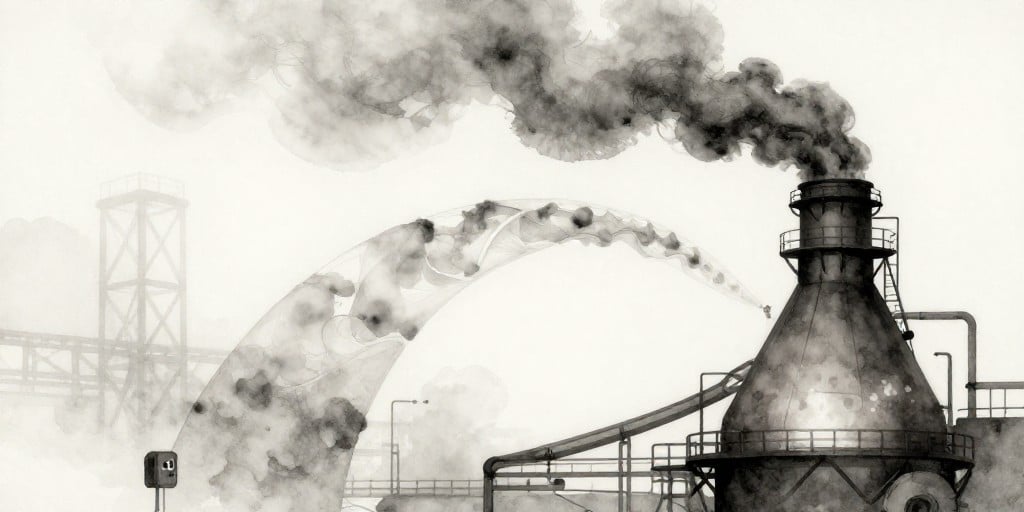
In a separate development, a pilot carbon‑capture trial at the Gent blast furnace achieved a capture rate of over 90 percent. The trial, conducted in partnership with Mitsubishi Heavy Industries, BHP, and Mitsubishi Development, demonstrates the viability of large‑scale CO₂ reduction at an iron‑ore processing facility. If the technology is scaled, it could lower CO₂ intensity at the Gent site by up to 24 percent, aligning with ArcelorMittal’s broader low‑emission strategy.
Market Context
The company’s results are framed by a supportive macro‑environment. European equity indices posted modest gains, while oil prices declined on expectations of easing supply pressures. Commodity softness has traditionally dampened steel demand, yet ArcelorMittal reports steady demand across its core product lines. Notably, aluminium powders and foils exhibited particular strength, indicating resilience within the alloy and specialty segment.
Strategic Implications
- Revenue Diversification – Strong performance in aluminium powders and foils suggests that ArcelorMittal’s diversification beyond traditional flat steel is yielding tangible returns.
- Renewable Energy Investment – The firm’s continued focus on renewable energy generation and backward integration positions it to capture higher margins and mitigate volatility in commodity prices.
- Carbon‑Capture Scale‑Up – The successful Gent trial provides a concrete pathway to reducing CO₂ intensity, potentially unlocking access to carbon‑constrained markets and meeting regulatory targets ahead of schedule.
Cross‑Sector Connections
- Energy Transition – The partnership with Mitsubishi and BHP underscores a broader trend of collaboration between steel producers and technology firms to decarbonise heavy industry.
- Supply‑Chain Resilience – Idling of the Kryvyi Rih plant reflects geopolitical risk management, a concern increasingly shared across sectors reliant on global supply chains.
- Commodity Pricing Dynamics – Declining oil prices, while temporarily easing input costs for steel, also influence the competitiveness of alternative materials such as aluminium, thereby affecting substitution dynamics across manufacturing sectors.
Bottom Line
ArcelorMittal’s Q3 2026 consensus demonstrates solid profitability in a challenging macro‑environment. The company’s proactive stance on carbon‑capture, coupled with its emphasis on renewable energy and backward integration, suggests a strategic alignment with global decarbonisation imperatives. Continued monitoring of commodity price movements and geopolitical developments will be essential to assess the sustainability of these gains and the company’s competitive positioning within the broader industrial landscape.