Market Reaction and Strategic Implications for Applied Materials, Inc.
Immediate Share Price Decline Amid Sector‑Wide Weakness
Applied Materials, Inc. experienced a modest decline in its share price during a trading session that proved broadly negative for technology and semiconductor stocks. The dip followed a wider market downturn across major indices, with notable drops in several leading chipmakers. Analysts attributed the company’s performance to sector‑wide pressures, including tightening supply chains and fluctuating demand for advanced lithography equipment.
Sector Dynamics: Supply Chain Constraints and Demand Volatility
In the days preceding the decline, industry commentary highlighted persistent challenges within the semiconductor supply chain. Reduced orders for memory chips and heightened competition among equipment suppliers were cited as primary concerns. These dynamics underscore a broader pattern of supply chain bottlenecks and shifting demand that has been affecting the entire silicon industry.
- Memory Chip Orders: Slower procurement by manufacturers has dampened the growth prospects for equipment vendors that supply lithography and packaging solutions.
- Competitive Landscape: Emerging rivals, particularly in the areas of extreme ultraviolet (EUV) lithography and advanced packaging, have intensified price and feature pressure on established players like Applied Materials.
Earnings Stability Versus Investor Sentiment
Applied Materials’ recent earnings report and forward guidance remained broadly stable, with no significant deviations from analyst expectations. However, the market reaction suggests a disconnect between short‑term revenue momentum and investor confidence. The sensitivity of semiconductor equipment providers to capital expenditure cycles means that even steady financial metrics can be interpreted skeptically when broader economic signals point to potential contraction.
Investment in R&D and Product Diversification
Despite market volatility, Applied Materials has continued to invest heavily in research and development, focusing on advanced packaging and EUV lithography. The company’s recent statements emphasize:
- Expansion of Product Portfolio: Introducing new equipment models that cater to next‑generation chip architectures.
- Enhanced Customer Support: Strengthening service agreements and technical assistance to retain key clients amid competitive pressures.
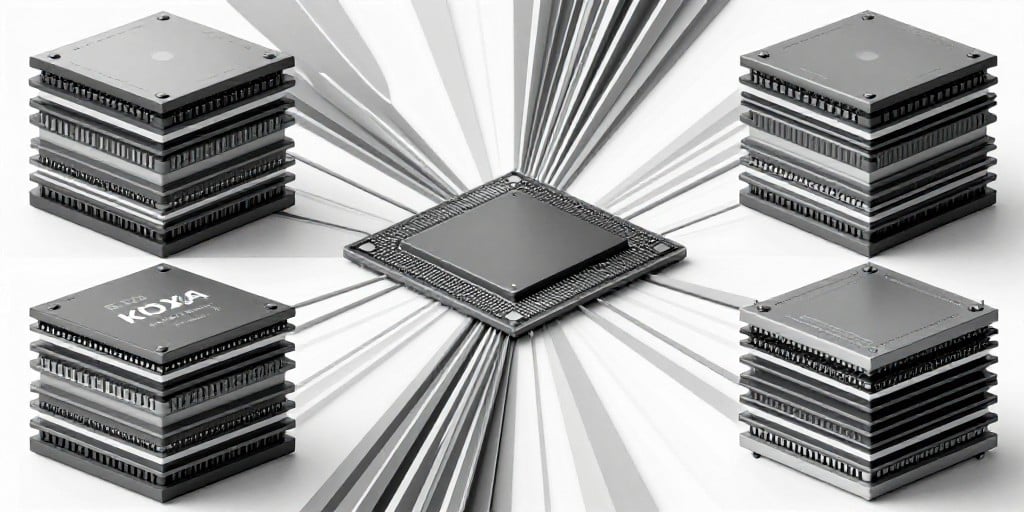
- Innovation in Packaging: Developing solutions that address the increasing demand for smaller, higher‑performance chips without compromising yield.
These strategic initiatives aim to solidify Applied Materials’ position in a competitive and rapidly evolving technology landscape, positioning the firm to capitalize on future demand cycles.
Broader Economic and Capital Expenditure Trends
The market response highlights the sensitivity of semiconductor equipment providers to macroeconomic factors that influence capital expenditure (CapEx) decisions within the industry. Key influences include:
- Global Economic Slowdown: Reduced consumer spending and corporate investment dampen the overall demand for electronic devices, indirectly curbing equipment purchases.
- Interest Rate Fluctuations: Higher borrowing costs can delay or scale back CapEx plans by semiconductor manufacturers.
- Geopolitical Tensions: Trade policies and export restrictions may alter the supply chain dynamics, affecting the availability and cost of critical equipment.
Investors are closely monitoring these macroeconomic cues alongside product demand cycles, as they collectively shape the outlook for equipment vendors like Applied Materials.
Conclusion
Applied Materials’ modest share price decline reflects a confluence of sector‑specific pressures and broader economic headwinds. While the company’s earnings and guidance remain sound, market sentiment remains cautious, driven by concerns over short‑term revenue momentum and capital expenditure cycles. Continued investment in research and development—particularly in advanced packaging and EUV lithography—positions the firm to navigate competitive pressures and capitalize on emerging opportunities within the semiconductor ecosystem.