Domestic Expansion as a Resilience Play
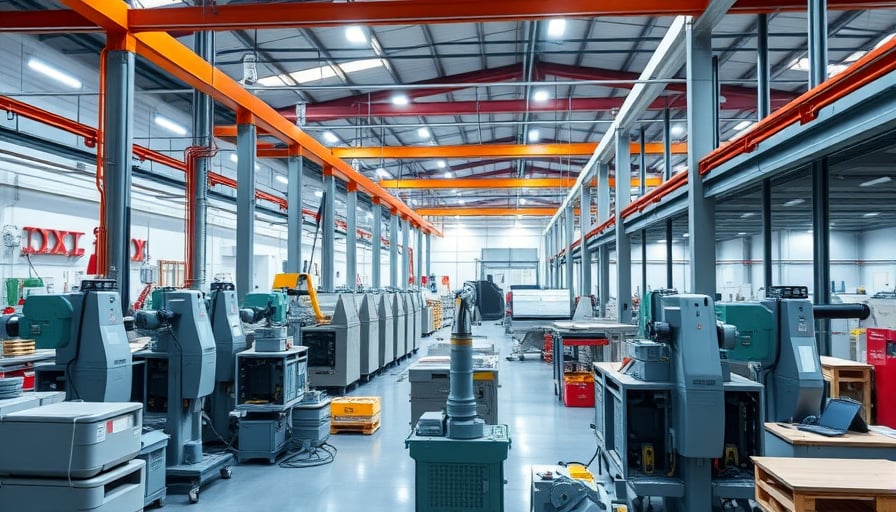
Apple Inc. has revealed a concerted effort to deepen its U.S. manufacturing base, a move that signals a strategic shift toward greater supply‑chain independence amid volatile global markets. The company is bolstering existing partnerships—particularly with long‑standing contract manufacturers—and is earmarking significant capital for new domestic production facilities.
This expansion is framed as a dual‑purpose strategy:
- Operational resilience – by shifting a larger share of production stateside, Apple seeks to shield itself from the recurrent disruptions that have plagued the semiconductor and component supply chains during recent geopolitical and pandemic‑induced shocks.
- Services‑growth enablement – an in‑house manufacturing footprint facilitates tighter integration with the company’s burgeoning services ecosystem, allowing for more seamless bundling of hardware, software, and subscription offerings.
Industry analysts note that Apple’s U.S. push aligns with a broader trend of multinational firms re‑evaluating the trade‑off between cost‑efficiency and risk. While traditional wisdom has favored off‑shoring to reduce unit costs, the recent pattern of supply‑chain bottlenecks suggests that strategic resilience can now be a competitive differentiator.
AI: From Product Marketing to Product Innovation
In a parallel effort, Apple is accelerating its artificial‑intelligence agenda. The firm has appointed a former Google executive to head product marketing for AI, underscoring the company’s intent to not only embed AI deeper into its ecosystem but also to position itself as a leader in the emerging AI‑driven product space.
Key elements of Apple’s AI strategy include:
- Gemini‑Based Siri – Apple is preparing a new Siri iteration powered by a Gemini‑derived model, promising more conversational nuance and contextual awareness. Early demonstrations indicate that the AI can handle complex multi‑step queries with higher accuracy than prior releases.
- Developer‑centric Expansion – Analysts suggest that Apple may extend Siri’s capabilities to third‑party developers, allowing external applications to tap into the assistant’s intelligence layer. This would mirror the current Apple App Store model but could create a new revenue stream through API usage fees.
- AI‑Powered Glasses – A forthcoming line of augmented‑reality glasses, reminiscent of Meta’s Ray‑Ban series, is slated for launch at Apple’s developer conference. The devices aim to blend discreet form factor with advanced computer‑vision capabilities, potentially opening a new category that fuses fashion, connectivity, and AI.
While the company has traditionally been cautious about the commercial deployment of AI, these initiatives reveal a deliberate pivot toward integration and monetization of AI across hardware and software lines.
Market Reaction Amid Macro‑Economic Headwinds
Despite the ambitious initiatives, Apple’s shares slipped by approximately 1.5 % during the most recent trading session, trailing a broader sell‑off in major technology stocks. Market commentators attribute this dip to a confluence of factors:
- AI Spending Concerns – Investors are wary of the large capital outlays required to build competitive AI capabilities, particularly as competitors such as Google, Meta, and Amazon invest heavily in their own AI platforms.
- Geopolitical Tension and Commodity Prices – Rising tensions in key regions have pushed up prices for critical raw materials, thereby eroding profit margins across the technology sector.
- Macro‑Economic Uncertainty – Rising interest rates and inflationary pressures continue to weigh on discretionary spending, which could dampen demand for premium devices even as services revenue shows resilience.
However, the company’s strategic moves suggest a long‑term bet on resilience and differentiation. By anchoring manufacturing in the United States and accelerating AI integration, Apple may be positioning itself to weather short‑term volatility while securing a competitive edge for the next decade.
Looking Forward
Apple’s dual emphasis on domestic manufacturing and AI underscores a broader industry reorientation toward risk management and innovation. While the near‑term market reaction reflects uncertainty, the company’s initiatives may ultimately recalibrate industry expectations:
- Supply‑Chain Rebalancing – Apple’s U.S. expansion could catalyze a shift toward regionalized production, prompting competitors to reevaluate their own manufacturing strategies.
- AI Ecosystem Expansion – By opening AI capabilities to developers, Apple may create a new platform that rivals traditional cloud‑based AI services, potentially redefining the competitive landscape.
- Product Innovation Paradigm – The AI‑powered glasses represent a convergence of technology, fashion, and health, hinting at the next frontier for consumer electronics.
In the context of an increasingly interconnected and uncertain global economy, Apple’s strategic choices highlight a balancing act between maintaining profitability, managing risk, and fostering innovation. The company’s ability to translate these strategic priorities into tangible market outcomes will determine its continued leadership in the technology arena.