
Corporate News
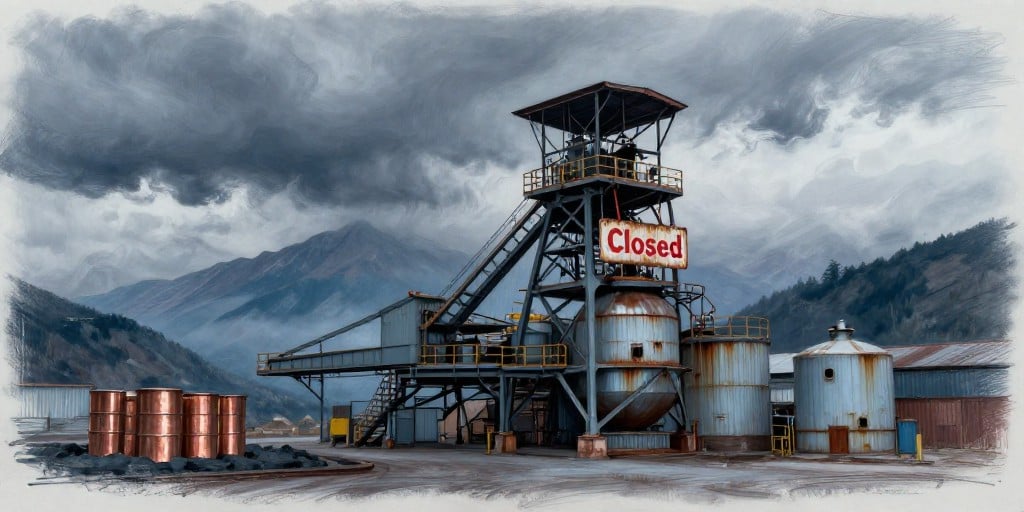
Antofagasta PLC has emerged as a focal point for investors following a sequence of weather‑related disruptions that have temporarily curtailed production at several of its Chilean mines, thereby affecting the wider copper supply chain. Heavy snowfall, flash flooding, and strong winds in southern Chile halted operations at the Los Pelambres mine and forced temporary shutdowns at other sites, including Lundin Mining’s Caserones operation. Although analysts regard these outages as short‑term, Chile’s substantial contribution to global copper output means that any protracted loss could tighten supply further and potentially support prices.
Operational Impact and Market Sentiment
The company’s share price has reflected a blend of operational concerns and the broader commodity momentum that characterises the current copper cycle. Copper prices have risen markedly in recent months, driven by a confluence of supply constraints, tariff uncertainty, and heightened demand from the technology and infrastructure sectors. In London, Antofagasta has traded above its opening level, buoyed by a rally in copper and the positive sentiment surrounding the sector. The firm’s market performance remains closely tied to the trajectory of copper, which has experienced upward pressure from tighter global inventories and geopolitical risks affecting supply chains.
Strategic Positioning and Investor Outlook
While Antofagasta’s management has indicated that the weather‑related disruptions are temporary, the market remains vigilant for any signals of sustained production setbacks. The company’s exposure to Chilean copper output, coupled with the overall supply‑demand imbalance in the metal, keeps its shares in the spotlight. Investors are closely monitoring how the situation develops and whether it will translate into further price momentum for copper.
Broader Industry Implications
The Chilean disruptions underscore the vulnerability of the copper supply chain to natural events. They also highlight the importance of geographic diversification for mining operators and the need for robust risk‑management frameworks that account for climatic variability. For investors, the situation reinforces the principle that commodity prices are often driven by a complex interplay of supply shocks, policy developments, and demand dynamics across technology, renewable energy, and infrastructure sectors.
Conclusion
Antofagasta PLC’s experience illustrates the broader challenges facing the copper industry in a period of heightened demand and constrained supply. The company’s ability to navigate short‑term operational disruptions while maintaining investor confidence will be a key determinant of its performance in the coming months. As the global market continues to adjust to these dynamics, Antofagasta remains a barometer for the health of the copper sector and the resilience of its supply chain.