
Corporate Impact Assessment of ANA Holdings Inc.’s Operational Disruption
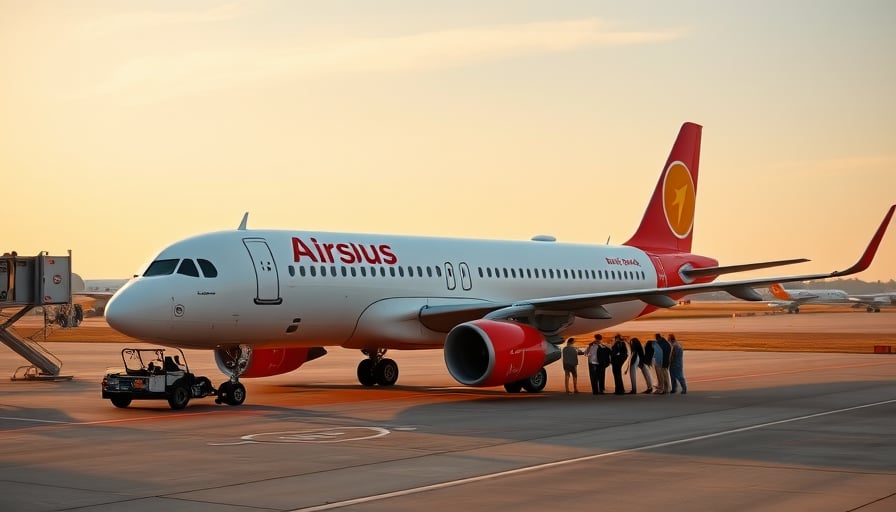
ANA Holdings Inc. has announced that it will suspend approximately ninety‑five flights, affecting more than thirteen thousand passengers, as a consequence of a mandatory software update mandated by the European Union Aviation Safety Agency (EASA). The update is required to address a recently identified fault in the Airbus A320 family’s data handling systems, which was traced to solar‑radiation‑induced data corruption observed on a JetBlue aircraft. The directive stipulates that the corrective software must be installed before the affected aircraft can undertake its next scheduled flight.
Scope of the Recall
The fix is part of a broader EASA recall that potentially encompasses over six thousand Airbus A320 family aircraft worldwide. The recall, prompted by a class‑action lawsuit and regulatory scrutiny, demands that airlines perform a diagnostic and software re‑programming sequence to mitigate the risk of inadvertent data corruption during high‑solar‑activity periods. The recall’s breadth underscores the systemic nature of the underlying flaw and its potential to disrupt global air‑traffic operations.
Operational Implications for ANA Holdings
- Flight Cancellations: The carrier’s network has been temporarily scaled back, with a 15‑percent reduction in scheduled flights on the affected routes. The cancellations predominantly involve domestic and short‑haul international services where the A320 fleet is heavily utilized.
- Passenger Impact: Over thirteen thousand passengers have been affected, prompting ANA to expedite re‑booking procedures and compensate affected customers in line with its passenger‑rights policies.
- Network Resilience: ANA’s management has assured that the remedial work will be conducted with minimal long‑term impact. The airline has activated its contingency plans, reallocating aircraft from other fleets and deploying additional crew rotations to maintain service continuity.
Financial Considerations
While the immediate financial hit from the cancellations is modest relative to ANA’s overall revenue base, the recall imposes operational costs related to:
- Software Update Implementation: Technical labor, ground‑handling resources, and potential leasing of spare aircraft.
- Regulatory Compliance: Audits, reporting, and potential fines if delays in rectification occur.
- Passenger Compensation: Refunds, vouchers, and ancillary service costs.
These costs are expected to be absorbed within ANA’s quarterly operating expenses, with the airline’s robust cash reserves and diversified revenue streams mitigating adverse effects on its profitability outlook.
Industry-Wide Effects
The Airbus A320 family constitutes a significant share of the global narrow‑body market, with over 7,000 units delivered to airlines worldwide. Consequently:
- Airline Scheduling: Airlines that rely heavily on this platform face similar disruption risks, prompting a shift toward short‑term fleet realignment and heightened maintenance vigilance.
- Supply Chain Pressure: Ground handling and maintenance suppliers may experience increased demand for software diagnostics and re‑programming services, potentially straining capacity.
- Regulatory Momentum: The incident reinforces the growing emphasis on cybersecurity and data integrity within the aviation sector, potentially accelerating further regulatory initiatives and industry self‑regulation.
Strategic Outlook
ANA Holdings Inc.’s response illustrates a prudent balance between compliance and commercial continuity. By prioritizing rapid software updates, maintaining transparent communication with passengers, and leveraging its multi‑fleet architecture, the airline demonstrates resilience in the face of unforeseen technical challenges. Over the longer term, the incident may spur investment in predictive maintenance technologies and collaborative data‑sharing initiatives across the industry to preempt similar disruptions.
In sum, while the immediate operational impact is measurable, ANA’s strategic response and the broader market’s adaptability position the company to navigate the recall without significant erosion of its competitive standing.