
Investor Sentiment Around Amphenol
Amphenol Corporation has emerged as one of the most actively traded holdings for the year, according to a recent investment‑blog analysis. The firm’s shares have shown pronounced volatility, yet the pattern of heightened trading activity suggests sustained interest from both retail and institutional investors. A separate market‑watch report further identified Amphenol as the strongest performer in a newly‑released mutual‑fund portfolio, reinforcing the perception that the company is resilient in an industry marked by rapid technological shifts.
Recent Market Performance
Amphenol’s stock performance illustrates a classic “high‑risk, high‑reward” narrative. While the share price has experienced notable swings, the net upward trajectory reflects confidence in the company’s long‑term fundamentals. Analysts note that this volatility is largely a product of market‑wide fluctuations in the semiconductor and connectivity sectors rather than company‑specific risk. Consequently, Amphenol’s recent performance has attracted attention from value‑seeking institutional investors who view the firm as a stabilizing component in a diversified portfolio.
Strategic Expansion of Global Manufacturing
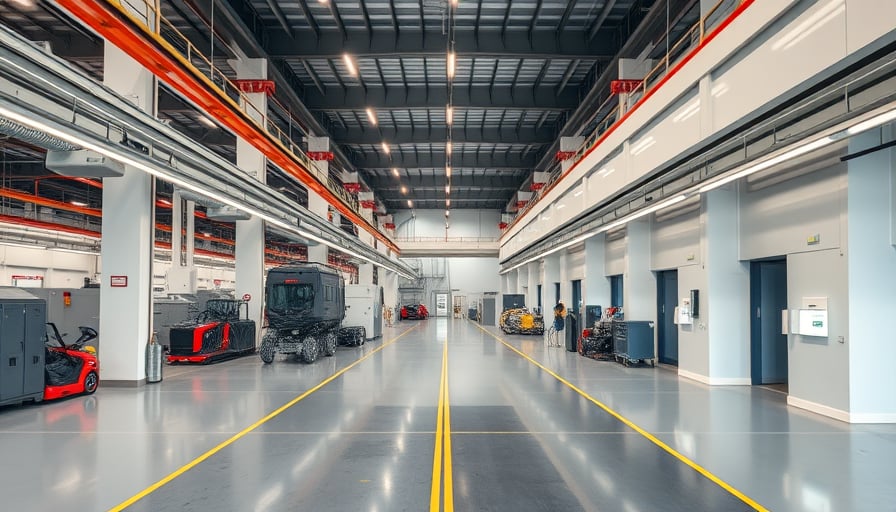
A key driver of Amphenol’s future growth is its aggressive expansion of global manufacturing capacity. The company has announced planned investments in overseas facilities, primarily in regions with high concentrations of telecommunications and data‑communication enterprises. By decentralizing production, Amphenol intends to:
- Enhance supply‑chain resilience – reducing lead times and mitigating disruptions caused by geopolitical tensions or regional shortages.
- Capitalize on rising demand for AI and server infrastructure – positioning the company as a preferred supplier for high‑performance connectors required in data centers and edge computing environments.
These moves align with broader industry trends where manufacturers are increasingly required to produce highly specialized components in close proximity to end‑users to meet stringent latency and reliability requirements.
Industry Context: Connectors in the Age of AI
The connectivity market is undergoing a paradigm shift. As AI workloads grow, data‑center operators demand connectors that can handle higher bandwidths, lower signal loss, and increased power delivery. Amphenol’s portfolio, which includes high‑speed fiber‑optic and copper interconnects, is well‑suited to meet these emerging needs. Moreover, the company’s focus on scalable production capabilities allows it to respond quickly to the rapid prototyping and deployment cycles characteristic of AI and machine‑learning infrastructure.
Challenging Conventional Wisdom
Traditional narratives have long held that large, established manufacturers face diminishing returns due to intense competition from niche players and rising production costs. Amphenol’s recent trajectory challenges this assumption. By combining a robust research and development pipeline with strategic global manufacturing, the company demonstrates that scale can coexist with agility—an insight that may reshape how investors assess the longevity of legacy technology firms.
Forward‑Looking Analysis
Looking ahead, several factors will shape Amphenol’s performance:
- Geopolitical Risks – The company’s expanding overseas footprint may expose it to regional trade restrictions. However, diversified production sites can serve as a buffer against localized disruptions.
- Innovation Velocity – Continuous investment in next‑generation connector technologies will be essential to maintain a competitive edge in the fast‑evolving AI and telecom markets.
- Capital Allocation – The balance between reinvestment in manufacturing and shareholder returns will influence investor sentiment, particularly in a climate of heightened scrutiny over capital discipline.
In sum, Amphenol’s recent performance and strategic initiatives underscore a broader industry trend toward integrated, resilient supply chains capable of supporting the next wave of digital infrastructure. The company’s ability to translate these strategic moves into shareholder value will determine its standing in the corporate landscape over the coming years.