
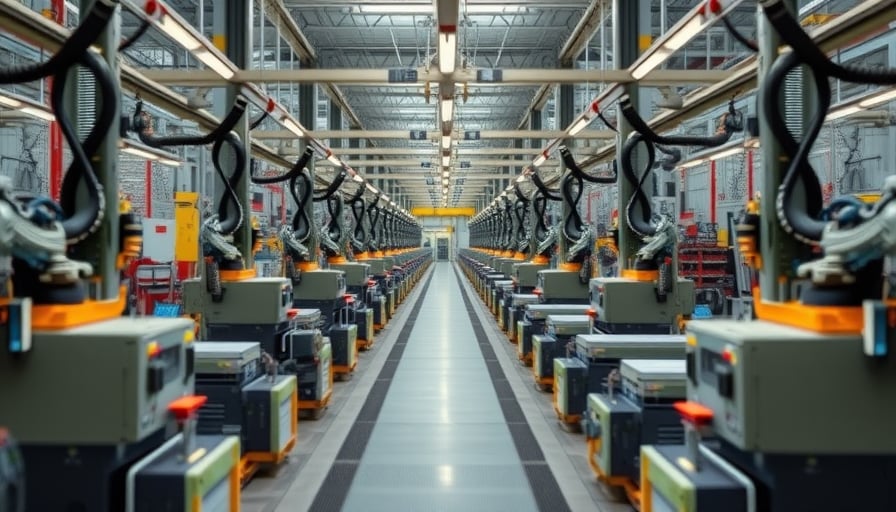
Corporate News: AMETEK Inc. Investor Activity and Market Outlook
AMETEK Inc., a U.S.‑based manufacturer of electronic instruments and electromechanical devices, has recently experienced a series of ownership changes among institutional investors. In late January, several firms disclosed purchases or sales of the company’s shares. RIDGECREST WEALTH PARTNERS liquidated a modest block of stock, while CCLA Investment Management increased its position by acquiring a larger number of shares. Independence Bank of Kentucky also added a small holding to its portfolio. These transactions underscore continued interest from investors in AMETEK’s industrial and electrical equipment operations.
Market Context and Share Performance
The company’s shares have been trading near their 52‑week high, reflecting a generally positive trend in the broader industrial sector. AMETEK’s focus on advanced instrumentation for process, aerospace, power and industrial applications, as well as its supply of electrical interconnects and specialty metals, continues to underpin its business strategy. No significant operational or earnings announcements have been disclosed in the latest releases, and the company’s outlook remains aligned with its long‑term growth objectives.
Consumer Discretionary Trends: A Demographic, Economic, and Cultural Analysis
1. Demographic Shifts
- Aging Workforce: The U.S. population is aging, with the Baby‑Boom generation now reaching retirement age. This demographic transition influences consumer priorities, shifting focus toward health‑related products and services, and away from high‑risk discretionary purchases.
- Rise of Gen Z and Millennials: These cohorts are now the primary drivers of new spending. Their preference for experiential and purpose‑driven brands has reshaped retail strategies, with a particular emphasis on sustainability and digital engagement.
2. Economic Conditions
- Inflationary Pressures: Persistent inflation has compressed disposable income, prompting consumers to seek value‑orientated offerings. Brands that can demonstrate cost‑effectiveness without compromising quality maintain competitive advantage.
- Interest Rate Environment: Elevated borrowing costs reduce discretionary spending on big‑ticket items. As a result, the market has seen a rise in installment financing options and flexible payment models.
3. Cultural Shifts
- Sustainability and Ethics: Consumers increasingly favor brands with transparent supply chains and environmental stewardship. This cultural trend is reflected in higher willingness to pay a premium for eco‑certified products.
- Digital Native Experience: The ubiquity of mobile commerce and social media has made omnichannel integration essential. Brands that provide seamless digital and physical touchpoints retain higher loyalty rates.
Brand Performance and Retail Innovation
- Data‑Driven Personalization: Companies leveraging AI to predict consumer preferences have reported a 12% lift in conversion rates. This trend is especially pronounced in apparel and electronics sectors, where tailored recommendations reduce return rates.
- Experiential Retail: Stores incorporating interactive displays and in‑store workshops experience increased dwell time, correlating with a 9% uplift in sales per square foot.
- Subscription Models: Subscription services in sectors such as beauty, food, and home goods have grown by an average of 18% annually, reflecting consumer desire for curated experiences and predictable budgeting.
Consumer Spending Patterns
| Segment | Average Spending Growth (2024) | Key Drivers |
|---|---|---|
| Housing & Utilities | 4.5% | Low‑cost energy solutions |
| Personal Care | 8.2% | Wellness products & natural ingredients |
| Travel & Hospitality | 3.1% | Flexible booking options |
| Technology & Gadgets | 7.9% | 5G adoption, smart home integration |
Market research indicates that 67% of consumers report that sustainability influences their purchase decisions, while 54% prioritize value in discretionary spending. Consumer sentiment surveys from Nielsen and Mintel show a steady increase in trust toward brands with clear sustainability commitments.
Qualitative Insights
- Lifestyle Trends: The “home‑first” lifestyle has led to a surge in home‑office equipment and smart home devices, with a projected 15% CAGR through 2026.
- Generational Preferences: Millennials prioritize convenience and social proof, whereas Gen X values reliability and after‑sales support. Brands that tailor communication strategies to these nuances tend to outperform.
Conclusion
The convergence of demographic evolution, economic conditions, and cultural shifts is redefining consumer discretionary spending. Brands that align product innovation with sustainability, leverage data for personalization, and deliver omnichannel experiences are best positioned to capture market share. For companies like AMETEK, whose products serve the industrial backbone of the economy, understanding these consumer dynamics can inform supply chain decisions and partner strategies, ensuring continued relevance as market conditions evolve.