American Water Works Co. Inc.: Technical Signals, Infrastructure Commitments, and a Cost‑Driven Sector Outlook
Trading Activity and Technical Context
American Water Works Co. Inc. (AWK) recorded a modest increase in volume during the latest trading session, with shares briefly surpassing the 200‑day moving average and closing near the session high. While the move represents a small percentage gain, analysts regard the breach of this long‑term moving average as a potential harbinger of a continued uptrend. In the context of a broader equity environment that has oscillated between risk‑off sentiment and sector rotation, such a technical milestone warrants scrutiny:
- Momentum Confirmation: The 200‑day average is frequently referenced by trend‑following funds; a sustained break could attract momentum strategies and provide a temporary liquidity boost.
- Volume vs. Price: The uptick in volume, although modest, suggests that institutional participation—particularly from long‑term investors—may be reinforcing the move rather than a short‑term speculative rally.
- Risk of Over‑Reaction: Given the narrow margin of the daily gain, a re‑testing of the 200‑day level could precipitate a short‑term correction if the breakout is perceived as lacking conviction.
Infrastructure Investment and Capital Allocation
West Virginia Upgrade
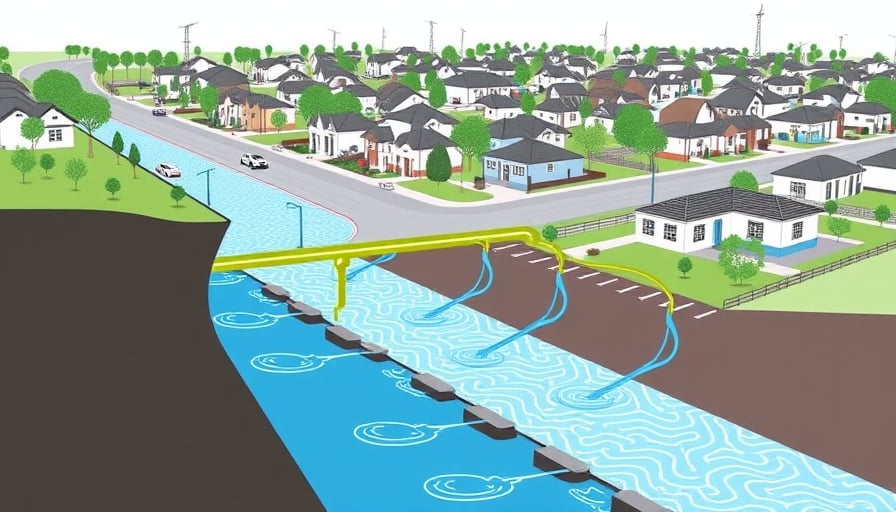
The announced $815,000 upgrade in Huntington—replacing 1,600 feet of aging pipe with a 6‑inch PVC main—serves as a micro‑case study of American Water’s broader capital strategy. The project aligns with a 2026 plan to invest more than $129 million in West Virginia, and reflects the company’s historic commitment of over $805 million to infrastructure over the past decade.
| Item | Value | Context |
|---|---|---|
| Huntington pipe replacement | $815 k | 1,600 ft, 6‑inch PVC main |
| WV 2026 capital plan | >$129 M | State‑wide network upgrades |
| Decade‑long capital outlays | >$805 M | Aging infrastructure & resilience |
This capital outlay pattern underscores several fundamental considerations:
- Aging Asset Base – The utility’s infrastructure portfolio is approaching its replacement cycle, and the company is actively addressing service reliability risks that could translate into future outage costs or regulatory fines.
- Capital Efficiency – By allocating a relatively modest sum for the Huntington upgrade, the company demonstrates a disciplined approach to asset replacement that balances fiscal prudence with service demands.
- Regulatory Implications – The state’s investment framework and potential federal aid (see AWWA report) may influence the cost of capital and the regulatory approval timetable for such projects.
Broader Capital Outlook
Financial statements indicate a steady escalation in capital expenditures (CapEx) over the past five years, rising from approximately $80 M in FY2022 to $95 M in FY2023. With projected CapEx of $120 M to $140 M in FY2024, the company remains on a trajectory that could strain its free cash flow if not offset by revenue growth or cost savings. The upcoming 2026 infrastructure push may necessitate additional external financing, potentially through debt issuance or equity offerings—both of which carry dilution and cost of debt implications.
Sector‑Wide Cost Dynamics
The American Water Works Association (AWWA) study projects that maintaining safe, reliable drinking‑water service through 2050 will require capital outlays far exceeding current investment levels. Key findings include:
- Projected Funding Gap: A cumulative shortfall estimated at $600 B over the next 30 years, largely driven by aging infrastructure, regulatory compliance costs, and the need for resilience upgrades.
- Affordability Pressure: Low‑income households face disproportionate risks from higher utility rates as utilities seek to recoup capital expenditures.
- Federal Funding Gap: The study calls for expanded federal programs—such as the Water Infrastructure Finance and Innovation Act (WIFIA) and the Drinking Water State Revolving Fund (DWSRF)—to bridge the funding shortfall.
These macro‑level challenges raise several risks and opportunities for American Water:
| Risk | Opportunity |
|---|---|
| Rate‑Regulation Scrutiny | Potential for rate caps and increased monitoring by state regulators. |
| Funding Access | Access to federal grant or low‑interest loan programs could reduce CapEx costs. |
| Competitive Dynamics | New entrants leveraging technology (e.g., smart meters, IoT monitoring) could erode traditional utility market share. |
| Customer Loyalty | Strong service reliability and proactive investment could enhance brand loyalty and justify premium rates. |
Institutional Investor Activity
Mattern Capital Management, LLC’s purchase of a sizeable block of AWK shares signals confidence in the company’s long‑term prospects. Although the block size is significant relative to daily volume, it represents one of several recent institutional inflows, suggesting a broader trend of institutional reassessment of the utility sector. Potential interpretations include:
- Value Premium: The utility’s stable cash flow profile may attract investors seeking defensive assets amid market volatility.
- Growth Outlook: Anticipation of capital efficiency improvements and regulatory favorable changes could justify higher valuation multiples.
- Risk Appetite: The institution’s willingness to invest in a company with substantial CapEx needs may indicate a higher tolerance for capital deployment risks.
Balancing Capital Needs and Affordability
American Water stands at a crossroads where the need for significant infrastructure renewal intersects with regulatory pressure to keep rates affordable. Key strategic questions emerge:
- Capital Structure Management: Will the company lean toward debt, equity, or a hybrid approach to fund the projected $129 M in West Virginia upgrades and broader state investments?
- Regulatory Negotiations: How will the company navigate potential rate‑regulation constraints while ensuring sufficient revenue to service debt and return value to shareholders?
- Innovation Adoption: Can operational efficiencies, such as leak detection automation or advanced metering infrastructure, offset some of the CapEx burden and improve service reliability?
- Stakeholder Communication: Transparent engagement with low‑income communities may mitigate reputational risk and support smoother implementation of rate adjustments.
Conclusion
The recent technical uptick in AWK’s share price, combined with concrete evidence of ongoing infrastructure investment and a sector‑wide cost crisis, paints a complex tableau for stakeholders. While short‑term market sentiment appears cautiously optimistic, deeper scrutiny reveals potential vulnerabilities stemming from high capital demands, regulatory scrutiny, and affordability concerns. Investors and analysts should therefore monitor the company’s capital allocation decisions, regulatory interactions, and engagement with federal funding programs to gauge whether American Water can translate its infrastructure strategy into sustained financial performance without compromising its service‑delivery mandate.