Corporate News – Power System Dynamics and Market Performance
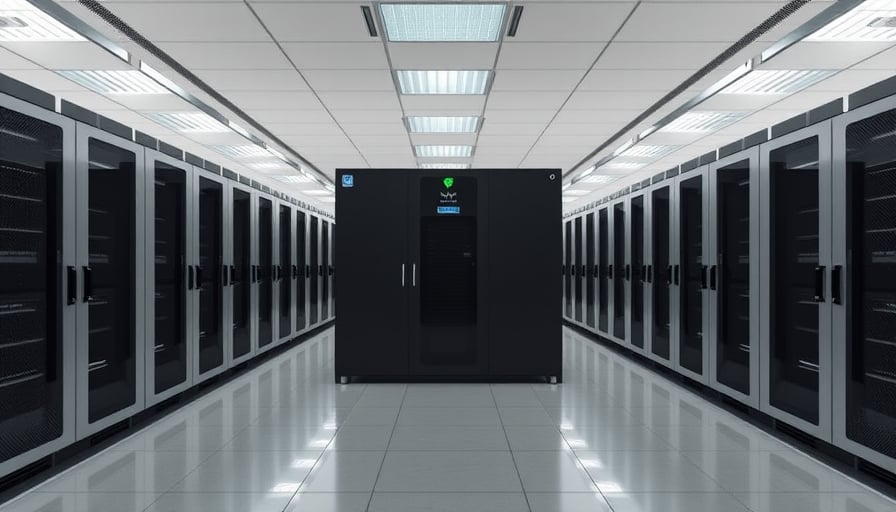
The U.S. utilities sector has entered its most robust start in more than seven years, a trend that has directly benefited American Electric Power (AEP). In the first quarter, the S&P 500 Utilities Index gained approximately 7.5 %, while the broader market fell near 4.6 %. Investors are gravitating toward utilities for their defensive nature, reliable dividend yields, and lower volatility. This shift has been reinforced by rising energy demand from large technology firms that are establishing artificial‑intelligence data centers across the country.
AEP’s Market Position
AEP’s three‑year return of just over 45 % underscores its attractiveness to long‑term shareholders. Although this figure excludes dividend reinvestments or share‑splits, it reflects the company’s ability to generate consistent earnings growth. At the conclusion of the reported period, AEP’s market valuation approached $73 billion.
In an environment of volatile oil and gas prices, the utilities sector has demonstrated resilience. While the S&P 500 has been pressured by inflation concerns, utilities have largely weathered the impact, keeping AEP’s share price within a range that has delivered a solid return to long‑term investors.
Grid Stability in the Face of Renewable Integration
Power Generation Mix
AEP’s generation portfolio is diversified across coal, natural gas, nuclear, hydro, and an expanding share of wind and solar. The integration of intermittent renewables introduces variability that can challenge voltage and frequency regulation. To maintain grid stability, AEP employs demand‑response programs, energy‑storage systems, and advanced forecasting models that predict renewable output at 5‑minute intervals.
Transmission Constraints
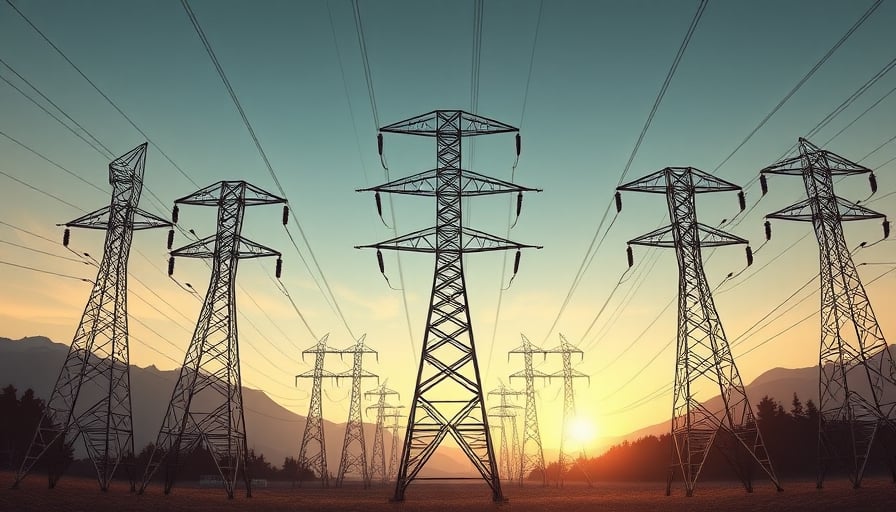
The transmission network must carry power from remote renewable sites to load centers, often requiring upgrades to substations and high‑voltage lines. AEP’s investment plan includes reinforcing 345‑kV corridors and deploying dynamic line rating technologies that allow operators to push beyond conventional thermal limits when weather conditions permit.
Distribution Resilience
At the distribution level, AEP is implementing microgrid architectures and smart‑metering fleets that enable real‑time load shedding and islanding capabilities. These measures reduce the risk of cascading failures and enhance the reliability of critical loads such as data centers and healthcare facilities.
Infrastructure Investment Requirements
According to AEP’s capital‑expenditure plan, the company will allocate $5 billion over the next five years to:
| Item | Estimated Cost | Impact |
|---|---|---|
| Upgrading 345‑kV lines | $2.5 billion | Improves bulk‑power transfer and reduces congestion |
| Deploying energy storage (500 MWh) | $1.0 billion | Provides frequency support and peak shaving |
| Implementing microgrid solutions | $0.8 billion | Enhances local resilience for critical loads |
| Modernizing distribution transformers | $0.7 billion | Reduces voltage sags and improves efficiency |
These investments are critical to meeting the California Public Utilities Commission’s 2030 renewable portfolio standards and to complying with the Federal Energy Regulatory Commission’s (FERC) Order 841 on grid reliability.
Regulatory Frameworks and Rate Structures
Rate Design
AEP employs a cost‑of‑service rate structure, which allocates fixed and variable charges based on the utility’s operating costs, investment recovery, and a permissible return on equity. In the current low‑interest‑rate environment, the permissible rate of return is modest, allowing AEP to pass a larger share of renewable integration costs to customers through time‑of‑use (TOU) tariffs and energy‑efficiency incentive programs.
FERC Orders
- Order 841: Requires utilities to maintain 99.999% reliability, necessitating investments in grid hardening and real‑time monitoring.
- Order 2222: Promotes transmission interconnection for distributed energy resources, facilitating the integration of rooftop solar and community microgrids.
AEP’s compliance strategy includes the deployment of wide‑area SCADA systems and phasor measurement units (PMUs) to provide situational awareness and rapid fault isolation.
Economic Impacts of Utility Modernization
Consumer Costs
While modernization is capital intensive, the transition to a smarter grid yields long‑term savings by reducing outage costs and improving energy efficiency. AEP projects that the incremental annual rate increase will be $0.02 per kilowatt‑hour over the next decade, a modest rise that is offset by 10 % reductions in average peak demand thanks to demand‑response participation.
Employment and Regional Development
The construction and operation of new transmission lines and storage facilities are expected to create approximately 3,000 jobs over five years, spanning engineering, construction, and operations. Local communities benefit from improved reliability and the ability to support high‑profile data‑center projects that drive regional economic growth.
Engineering Insights on Power System Dynamics
- Transient Stability: Rapid voltage collapse can occur when renewable penetration reduces system inertia. AEP is installing synthetic inertia units that emulate the kinetic energy of conventional generators, providing a buffer during disturbances.
- Power Flow Management: Optimal power flow (OPF) algorithms are integrated into the dispatch center, allowing AEP to route renewable generation to load centers while maintaining line loading limits.
- Protection Coordination: The use of adaptive relays and coordinated protection schemes ensures that fault isolation occurs within milliseconds, preventing damage to equipment and minimizing downtime.
Conclusion
American Electric Power’s performance over the past three years exemplifies the synergy between solid financial fundamentals and proactive investment in grid modernization. The company’s strategic focus on maintaining grid stability amid increasing renewable penetration, coupled with a forward‑looking regulatory compliance strategy, positions AEP to continue delivering value to investors while supporting the broader energy transition.