Ameren Corporation Announces Modest Q3 2026 Earnings Growth Amid Infrastructure‑Driven Strategy
Third‑Quarter 2026 Performance Overview
Ameren Corporation disclosed a modest uptick in its third‑quarter earnings for 2026, with net income attributable to common shareholders increasing compared with the same quarter a year earlier. Earnings per diluted share (EPS) rose, as did adjusted (non‑GAAP) EPS, reflecting gains from ongoing infrastructure investments and higher retail sales in the Missouri segment. Management credited the improvement to disciplined execution of its long‑term strategy and targeted investment in critical power generation, transmission, and distribution assets, while noting that elevated operating and maintenance (O&M) expenses partially offset those gains.
Earnings Guidance and Forward Outlook
In its earnings guidance, Ameren raised the 2026 diluted EPS range to the higher end of its previously announced band and set a target range for 2027. The company projects an annual compound growth rate of 8‑10 % through 2031, contingent on continued infrastructure spending that is expected to drive rate‑base expansion. This forward‑looking stance underscores the firm’s confidence in its capital allocation plan, which aligns with regulatory expectations and the broader transition toward a more resilient, renewable‑enabled grid.
Capital Expenditures and Grid Modernization
Ameren’s capital outlays in 2026 were directed primarily toward:
| Asset Type | Investment Focus | Rationale |
|---|---|---|
| Generation | Upgrades to gas‑fired peaker plants and integration of small modular reactors (SMRs) | Provides dispatchable capacity to balance intermittent renewable sources. |
| Transmission | Expansion of 345 kV corridors and deployment of digital substation controls | Enhances long‑distance power flow and enables real‑time monitoring for grid stability. |
| Distribution | Installation of advanced distribution management systems (ADMS) and smart meters | Improves fault detection, voltage regulation, and consumer participation in demand response programs. |
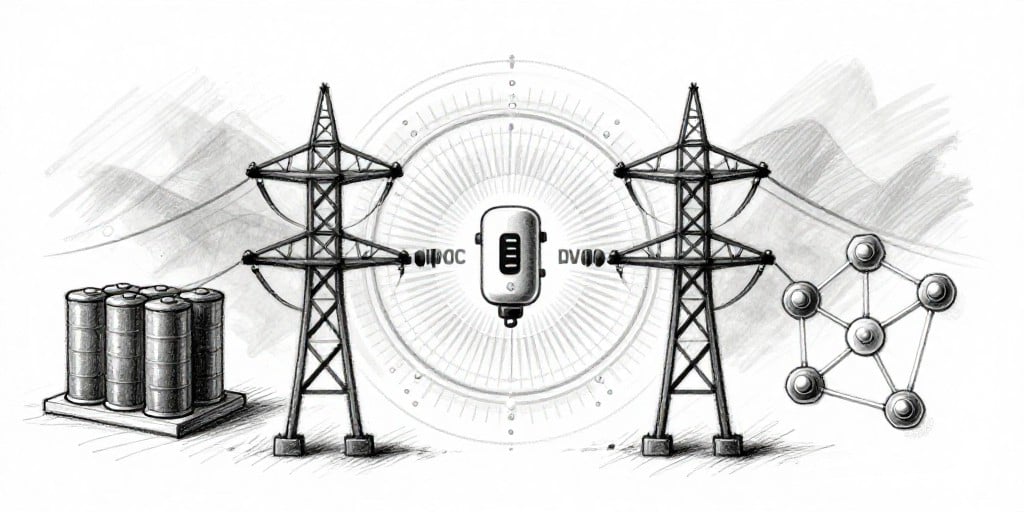
These investments are critical for maintaining grid stability in the face of increasing renewable penetration. By reinforcing high‑voltage corridors and incorporating adaptive protection schemes, Ameren mitigates cascading failure risks that can arise when wind or solar output fluctuates. Additionally, the deployment of distributed energy resource (DER) aggregators within its distribution network supports finer control of load and generation, allowing for more efficient use of existing assets.
Renewable Integration Challenges
Ameren’s Missouri segment, which accounts for a significant portion of its retail sales, is witnessing a surge in solar and wind projects. While these resources offer low marginal costs, they also introduce variability that can strain the traditional supply‑demand balance. The company’s strategy emphasizes:
- Energy Storage – Strategic placement of battery energy storage systems (BESS) at critical nodes to absorb excess generation and provide frequency regulation services.
- Demand Response (DR) – Expansion of incentive programs to shift consumption during peak renewable generation windows, thereby smoothing load curves.
- Grid Flexibility – Adoption of real‑time pricing mechanisms that align consumer consumption with renewable output peaks.
These initiatives not only enhance reliability but also position Ameren to meet state and federal renewable portfolio standards without disproportionately raising consumer rates.
Regulatory Frameworks and Rate Structures
Ameren operates under the purview of the Missouri Public Service Commission (MPSC) and the Federal Energy Regulatory Commission (FERC). Key regulatory aspects influencing the company’s financial and operational decisions include:
| Regulatory Body | Relevant Mandate | Impact on Ameren |
|---|---|---|
| MPSC | Rate‑base approval process | Grants authority to recover capital costs through regulated rates, ensuring long‑term infrastructure funding. |
| FERC | Interconnection standards and renewable integration requirements | Drives the implementation of advanced monitoring and control systems to facilitate grid stability. |
| Federal Clean Power Standard (FCPS) | Targeted reductions in CO₂ emissions | Influences the mix of generation assets, encouraging investment in low‑carbon technologies. |
Under the current rate‑base framework, Ameren is permitted to recover its capital expenditures over a 15‑ to 20‑year period, subject to periodic reviews. This structure provides a predictable revenue stream that supports the company’s projected compound growth trajectory. However, any significant deviation in O&M costs or renewable penetration rates could necessitate a reassessment of the rate base, potentially affecting consumer rates.
Economic Impacts of Utility Modernization
The capital-intensive nature of grid upgrades translates into both short‑term and long‑term economic effects:
- Short‑Term: Increased O&M expenses and investment costs may elevate consumer rates modestly in the near term, though regulatory review can mitigate abrupt rate hikes.
- Long‑Term: Modernized infrastructure improves reliability, reduces outage costs, and enhances market competitiveness. These benefits can translate into lower insurance premiums for businesses, attract new investments, and support economic growth in the region.
Moreover, Ameren’s investment in DERs and storage creates opportunities for local job creation in manufacturing, installation, and maintenance, fostering a more resilient regional economy.
Ownership Change and Corporate Governance
The company reported a recent beneficial ownership transaction by a senior officer involving a modest number of shares. The filing disclosed the transaction price and ownership status but did not indicate any significant change in control or influence. This transparency aligns with corporate governance best practices and reassures stakeholders that the company’s leadership remains committed to its strategic vision.
Conclusion
Ameren Corporation’s third‑quarter earnings report reflects a steady yet modest improvement driven by disciplined infrastructure investment and enhanced retail performance. The company’s forward guidance, anchored in a robust capital allocation plan, underscores its commitment to maintaining grid stability amid rising renewable integration. By navigating the regulatory landscape effectively and aligning its rate structures with infrastructure needs, Ameren positions itself to support the energy transition while safeguarding consumer interests.