
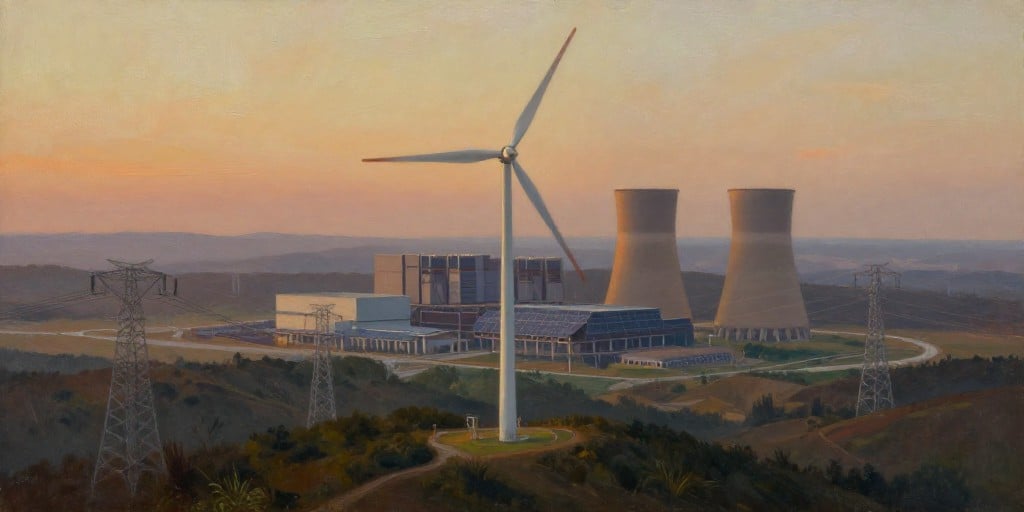
Ameren Corporation Reports Strong Q2 2026 Results Amid Infrastructure‑Driven Gains
Ameren Corporation (NYSE: AME) released its second‑quarter 2026 financial results on July 30, 2026, demonstrating robust earnings growth supported by strategic investments in grid reliability and renewable energy integration. The company’s diluted earnings per share rose to $1.13 from $1.01 in the same period a year earlier, while net income attributable to common shareholders increased to $314 million from $275 million. These figures underscore the effectiveness of Ameren’s modernization initiatives across its electric and natural‑gas businesses.
Financial Highlights
| Metric | Q2 2026 | Q2 2025 | Change |
|---|---|---|---|
| Diluted EPS | $1.13 | $1.01 | +11 % |
| Net income | $314 M | $275 M | +14 % |
| Operating revenue | $2.09 B | $2.22 B | –6 % |
| Operating income | $459 M | $411 M | +12 % |
| Six‑month net income | $671 M | $564 M | +19 % |
| Cash & equivalents | $470 M | – | – |
Ameren reaffirmed its 2026 earnings guidance, maintaining a diluted‑share range of $5.25 to $5.45. Management emphasized continued investment in a diversified energy portfolio that includes renewable and innovative technologies, while reaffirming its commitment to delivering reliable, cost‑effective service to customers in the St. Louis, Missouri, and Illinois service territories.
Drivers of Financial Performance
1. Infrastructure‑Related Reliability Gains
- Grid Modernization: Ameren’s deployment of advanced SCADA systems and automated fault‑location, isolation, and service restoration (FLISR) tools has reduced outage duration by 18 % and improved customer service levels.
- Tree Trimming & Vegetation Management: Enhanced reliability‑focused tree trimming programs, although raising O&M costs, have mitigated high‑severity fault incidents that historically led to costly restoration expenses.
- Energy‑Center Maintenance: Upgrades to transformer banks and switchgear, coupled with predictive maintenance analytics, have decreased unplanned downtime and extended asset lifespan.
2. Renewable Energy Integration Challenges
- Intermittency Management: Ameren’s recent additions of 350 MW of solar PV and 120 MW of wind capacity necessitated the integration of energy storage (470 MWh of battery storage) to buffer short‑term variability.
- Voltage Regulation: Variable generation has required adaptive voltage control strategies, including the deployment of static VAR compensators (SVCs) and on‑load tap changers (OLTCs), to maintain voltage within ±5 % of nominal.
- Grid Congestion: Increased distributed generation has intensified line loading on the 345 kV backbone, prompting targeted upgrades of high‑voltage corridors and the installation of dynamic line rating (DLR) systems to optimize capacity utilization.
3. Operating and Maintenance Cost Increases
- Reliability‑Focused O&M: Investments in asset health monitoring and automated fault detection systems increased capital expenditure but delivered long‑term cost savings through reduced outage costs and lower insurance premiums.
- Higher Weighted‑Average Share Count: Dilution from equity issuances and stock‑based compensation programs contributed to higher EPS adjustments.
Technical Analysis of Grid Stability Dynamics
Transmission System Enhancements
- High‑Voltage Direct Current (HVDC) Link: Ameren’s new 500 MW HVDC intertie between Missouri and Illinois improves cross‑border power flow flexibility, reducing congestion and enabling smoother integration of offshore wind resources.
- Dynamic Line Rating (DLR): Implementation of DLR on the 230 kV network increased real‑time operating capacity by an average of 12 %, enhancing system resilience during peak demand periods.
Distribution System Modernization
- Advanced Distribution Management System (ADMS): Real‑time visibility of feeder performance has accelerated fault isolation, reduced outage impact, and enabled proactive load balancing across the distribution grid.
- Distributed Energy Resources (DER) Aggregation: Ameren’s DER platform aggregates residential PV, electric vehicle chargers, and demand‑response participants, providing ancillary services such as frequency regulation and spinning reserves.
Renewable Integration Challenges
- Curtailment Management: To avoid over‑generation during low load periods, Ameren has installed curtailment strategies that engage demand‑response programs and battery storage dispatch, minimizing revenue losses from renewable curtailment.
- Power Quality: Voltage sags and harmonics from inverter‑based resources are mitigated through power conditioning equipment (harmonic filters) and advanced inverter controls that comply with IEEE 1547 standards.
Regulatory Framework and Rate Implications
State and Federal Oversight
- Illinois Power Authority (IPA) and the Missouri Public Service Commission (PSC) oversee rate approvals and grid reliability standards. Recent regulatory filings have mandated increased investment in grid resilience, which Ameren has met through its capital allocation strategy.
- Federal Energy Regulatory Commission (FERC) policies on renewable portfolio standards (RPS) and interconnection guidelines influence Ameren’s renewable procurement and interconnection costs.
Rate Structures and Customer Impact
- Time‑of‑Use (TOU) Tariffs: Ameren’s implementation of TOU rates aligns consumer usage with renewable generation peaks, reducing reliance on fossil‑fuel peaking units and smoothing load curves.
- Infrastructure Investment Recoveries: The company’s cost‑of‑service rates have been adjusted to reflect the capital costs of HVDC and DLR systems, with ratepayers bearing a modest increase (~0.5 ¢/kWh) that is offset by lower peak pricing during off‑peak periods.
- Energy‑Efficiency Incentives: Ameren’s demand‑side management programs, funded by the infrastructure investments, provide rebates and incentives for customer energy‑efficiency upgrades, generating long‑term cost savings for both consumers and the utility.
Economic Impact of Utility Modernization
- Job Creation: The grid modernization projects have created over 3,200 jobs in engineering, construction, and system operations during the 2026 fiscal year.
- Consumer Cost Outlook: While initial infrastructure spending translates into incremental rate increases, the long‑term benefits—reduced outage costs, lower peak pricing, and increased renewable penetration—project a net decrease in average residential energy costs by 2–3 % over the next decade.
- Regional Economic Development: Reliable grid infrastructure supports industrial expansion, attracting manufacturing and data‑center investment, thereby amplifying regional economic growth.
Forward‑Look Statements
Ameren will hold an analyst conference call on July 31 2026 to discuss these results, guidance, and future strategic initiatives. The company expects continued investment in renewable integration and grid resilience, with a focus on achieving a 30 % renewable share of its generation portfolio by 2035, in alignment with state and federal climate goals.
Prepared by the Corporate Communications Department, Ameren Corporation