
Ameren Corporation Announces First‑Quarter 2026 Earnings Webcast
Webcast Logistics
Ameren Corporation will host its first‑quarter 2026 earnings webcast on May 6, 2026. The session will commence at 9 a.m. Central Time (10 a.m. Eastern Time) and will be streamed live on AmerenInvestors.com. The call will feature the company’s CEO, chairman, and chief financial officer. Management will review the quarter’s financial results, provide guidance for the fiscal year, and discuss any material developments that may influence Ameren’s operations or strategic direction. Supporting documents will be posted on the company’s investor‑relations website, and a replay will remain available for one year after the broadcast.
Contextual Analysis for Corporate Stakeholders
1. Financial Guidance and Capital‑Investment Outlook
Investors will scrutinize Ameren’s earnings‑per‑share (EPS) guidance and capital‑investment plans. These metrics directly inform expectations about future revenue streams and the company’s capacity to finance grid‑modernization projects. A higher EPS forecast often correlates with stronger operating margins, while aggressive capital‑investment signals a commitment to upgrading aging infrastructure—an essential element for enhancing grid resilience and supporting renewable integration.
2. Regulatory and Operational Implications
Ameren’s operations are subject to a complex regulatory framework that encompasses the Federal Energy Regulatory Commission (FERC), state public utility commissions, and local environmental agencies. Updates on rate‑setting deliberations or regulatory approvals for new transmission projects could materially affect the company’s cost structure and, consequently, its pricing strategy. Analysts will therefore pay close attention to any announcements regarding:
- Rate‑setting hearings that may alter revenue guarantees.
- Renewable portfolio standards (RPS) compliance, particularly in states with aggressive clean‑energy targets.
- Infrastructure‑investment approvals for new interconnections or grid‑modernization grants.
Technical Considerations: Grid Stability, Renewable Integration, and Infrastructure Investment
1. Grid Stability in the Transition Era
Modern power grids face escalating volatility due to the intermittent nature of wind and solar resources. Grid stability hinges on several technical levers:
- Dynamic reactive power support from inverter‑based resources to maintain voltage levels.
- Fast‑frequency response from distributed energy resources (DERs) and battery storage, reducing reliance on conventional thermal generation.
- Advanced protection schemes (e.g., adaptive relays) that can quickly isolate faults while minimizing cascading outages.
Ameren’s ability to deploy these capabilities will be critical for sustaining reliability as renewable penetration rises. The company’s investment in real‑time monitoring and grid‑automation platforms—such as Wide‑Area Monitoring, Protection, and Control (WAMPAC) systems—will directly influence its capacity to meet reliability standards and avoid costly outages.
2. Renewable Integration Challenges
Integration of renewables presents multifaceted challenges:
- Capacity factor variability: Solar and wind output fluctuates with weather patterns, requiring enhanced forecasting accuracy and flexible operating reserves.
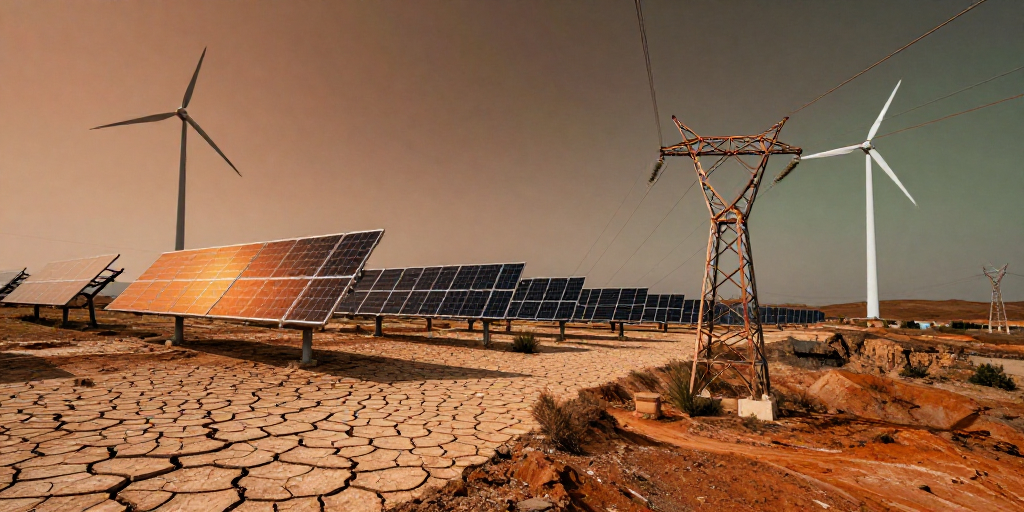
- Transmission constraints: Existing lines often lack the capacity to accommodate bidirectional power flows, necessitating upgrades or new corridors to connect wind farms in Texas or solar parks in California with load centers in the Midwest.
- Power quality issues: Harmonics, flicker, and voltage dips can arise from high‑penetration inverter loads, demanding sophisticated filtering and harmonics mitigation strategies.
Ameren’s strategic investment in grid‑reconfigurable hardware—such as line‑upgrades, phase‑shifting transformers, and FACTS devices—will be pivotal in overcoming these barriers. Additionally, partnerships with regional transmission organizations (RTOs) to participate in ancillary services markets can provide revenue streams that offset capital expenditures.
3. Infrastructure Investment Requirements
A robust modernization plan typically involves several key components:
| Investment Area | Technical Objective | Typical Cost (per MW) |
|---|---|---|
| Substation Upgrades | Enhanced automation, remote monitoring | $3–$5 million |
| High‑Voltage Transmission | Increased capacity, reduced losses | $4–$6 million |
| Energy Storage | Frequency regulation, peak shaving | $0.5–$1.0 million |
| Smart Metering | Real‑time load data, demand response | $200–$400 per connection |
| Grid‑Automation Software | Predictive maintenance, outage analytics | $1–$2 million |
These figures illustrate that large‑scale grid improvements often require capital outlays that exceed $100 million in aggregate, underscoring the necessity for strategic financing—whether through rate‑based funds, utility‑bond issuance, or public‑private partnerships.
Economic Impacts of Utility Modernization
1. Rate Structures and Consumer Costs
Modernization projects are financed through rate adjustments, typically categorized as:
- Energy‑rate increases: Modest, proportional to consumption.
- Demand‑rate increases: Reflect the capacity cost of peak usage.
- Infrastructure‑rate increases: Allocate capital costs for grid upgrades.
While infrastructure‑rate increases can raise consumer bills, the long‑term economic benefits—improved reliability, lower outage costs, and enhanced service quality—often offset short‑term expenditures. Regulatory commissions evaluate these trade‑offs, balancing investor return requirements with consumer protection mandates.
2. Return on Equity (ROE) and Shareholder Value
Capital‑intensive projects can dilute short‑term earnings but may boost ROE in subsequent periods by stabilizing operations and enabling participation in ancillary markets. Analysts will examine the projected net‑present‑value (NPV) of modernization projects against the company’s weighted‑average‑cost‑of‑capital (WACC) to gauge value creation.
3. Market Competitiveness
Utilities that effectively integrate renewables and modernize infrastructure gain competitive advantages:
- Regulatory incentives (e.g., renewable credits, demand‑side management subsidies).
- Lower operating costs from reduced fuel consumption.
- Enhanced customer engagement via advanced metering infrastructure.
These factors can translate into higher market valuation multiples, reinforcing the importance of a forward‑looking investment strategy.
Conclusion
Ameren’s forthcoming earnings webcast will provide critical insights into the company’s financial outlook, regulatory posture, and infrastructure strategy—all of which shape its ability to navigate the evolving power industry landscape. Stakeholders should closely evaluate how the company balances grid‑modernization capital needs with regulatory constraints, and how these dynamics influence future rates, reliability, and shareholder returns.