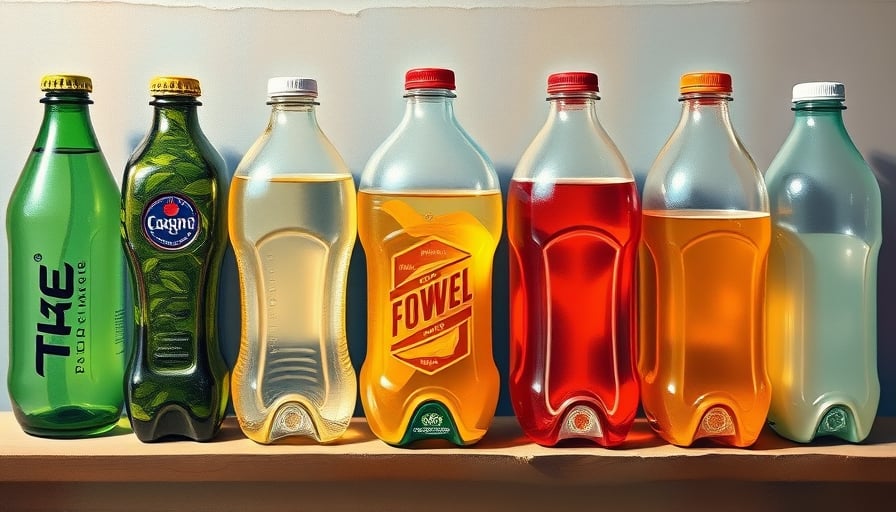
Corporate News: Amcor Ltd. Strengthens Position in Sustainable Packaging and Beverage Markets
Amcor Ltd., a globally recognized packaging specialist headquartered in Switzerland, continues to consolidate its presence in both the beverage sector and the broader sustainable packaging arena. The company’s recent strategic initiatives have underscored a commitment to integrating recyclable and fibre‑based materials, aligning with the mounting demand for environmentally responsible solutions across food, beverage, pharmaceutical, and personal‑care industries.
Strategic Emphasis on Material Innovation
Industry forecasts project sustained growth in the global sustainable packaging market, propelled by stricter regulatory frameworks, heightened consumer consciousness regarding plastic waste, and corporate ESG (environmental, social, and governance) commitments. In response, Amcor has pursued targeted investments and strategic partnerships designed to enrich its product portfolio. A notable move involves the allocation of capital toward a fiber‑based packaging innovator, reflecting a deliberate shift toward cost‑efficient, high‑performance materials that can substitute conventional plastic components without sacrificing durability or shelf‑life.
This focus on fibre‑based alternatives resonates with broader economic trends favoring circular economy principles and reduced carbon footprints. By diversifying its material base, Amcor positions itself to meet evolving regulatory standards and consumer preferences while maintaining competitive pricing structures.
Performance in the Beverage Packaging Segment
The beverage packaging sector—estimated to exceed two hundred billion dollars in value—has experienced robust growth driven by increased consumption, a pivot toward portable formats, and accelerated sustainability initiatives. Amcor’s strategic merger with a major competitor has fortified its scale across both rigid and flexible formats. This consolidation has yielded several operational benefits:
- Cross‑material pricing synergies that enhance margin resilience across diverse packaging formats.
- Accelerated roll‑out of sustainability‑focused products through shared research and development resources.
- Expanded geographic reach that aligns with global shifts in beverage consumption patterns, particularly in emerging markets.
These outcomes illustrate how Amcor’s consolidation strategy not only augments market share but also strengthens its capacity to deliver eco‑friendly packaging solutions at scale.
Positioning in the Smart Packaging Landscape
While Amcor’s core activities remain rooted in material innovation, the company’s expanding material capabilities place it in a favorable position to adapt to the rising demand for smart packaging technologies. The Asia‑Pacific region, in particular, has seen increasing adoption of features such as modified‑atmosphere packaging (MAP) and active sensor systems designed to extend shelf life and enhance product traceability.
Amcor’s current material portfolio—characterized by high performance and sustainability—offers a solid foundation for integrating smart packaging functionalities. By leveraging its extensive R&D capabilities and global supply chain, the company can expedite the development of packaging that simultaneously satisfies functional requirements and adheres to stringent environmental standards.
Balancing Market Expansion and Environmental Stewardship
Amcor’s recent initiatives demonstrate a concerted effort to balance aggressive market expansion with steadfast environmental stewardship. The company’s dual focus on material innovation and strategic mergers ensures that it remains agile in responding to:
- Regulatory shifts that increasingly favor recyclable and biodegradable packaging materials.
- Consumer demand for products that minimize ecological impact without compromising quality.
- Economic imperatives that require efficient production processes and scalable solutions.
By maintaining operational efficiency across its worldwide footprint, Amcor positions itself to meet evolving regulatory demands, satisfy consumer expectations, and secure a competitive advantage in a rapidly transforming packaging landscape.