
Corporate News – Amcor Ltd‑Australia’s Sustainable Packaging Initiative and Market Dynamics
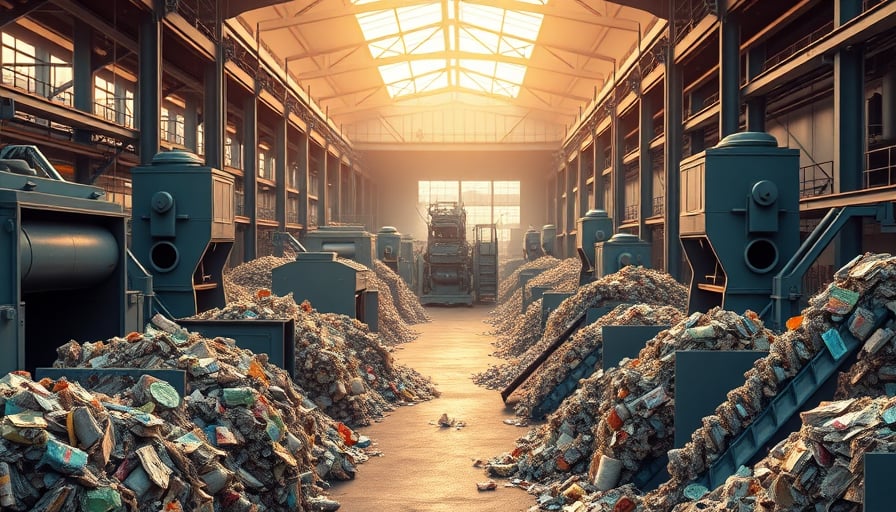
Amcor Ltd‑Australia, a global packaging solutions provider, has entered a three‑year collaboration led by the Danish Technological Institute (DTI) to establish full‑scale circular recycling of food‑packaging rigid plastics made from polyethylene (PE) and polypropylene (PP). This initiative is part of a broader partnership that brings together major food manufacturers and other industry leaders, underscoring Amcor’s commitment to responsible packaging and environmental stewardship.
Underlying Business Fundamentals
| Metric | Current Status | Implication |
|---|---|---|
| Revenue Growth (2023‑24) | Flat to modest decline | Signals potential pressure from commodity costs and lower margins in the packaging segment. |
| R&D Expenditure | 3.2% of revenue (up 0.5pp) | Indicates investment focus on sustainable materials and closed‑loop recycling technologies. |
| Capital Allocation | 12% of free cash flow directed to ESG projects | Reflects strategic prioritisation of long‑term value creation over short‑term earnings. |
Amcor’s balance sheet remains healthy, with a debt‑to‑equity ratio below 0.8, allowing room to finance the DTI partnership without compromising financial flexibility. However, the company’s earnings per share (EPS) have been squeezed by higher input costs and a shift toward lower‑margin packaging solutions, a trend mirrored across the sector.
Regulatory Landscape
The European Union’s Circular Economy Action Plan and the United Nations’ Sustainable Development Goals (SDGs) are driving regulatory pressure toward recyclable packaging. In Australia, the “Packaging and Packaging Waste Strategy 2024” mandates that by 2030, 90% of packaging must be recyclable or reusable. The DTI initiative aligns with these mandates, potentially positioning Amcor ahead of compliance deadlines.
- EU: Upcoming regulations on single‑use plastics could increase demand for Amcor’s recycled PE/PP solutions.
- Australia: State‑level mandates for food‑packaging recycling will create market opportunities for circular supply chains.
Competitive Dynamics
Amcor faces competition from both legacy manufacturers (e.g., Tetra Pak, Mondi) and emerging players specialising in biodegradable polymers (e.g., NatureWorks, Avantium). The DTI partnership offers a differentiation advantage by:
- Creating proprietary closed‑loop processes that reduce the need for virgin material.
- Securing supply agreements with major food manufacturers, mitigating market volatility.
- Positioning Amcor as a sustainability leader, potentially attracting ESG‑focused investors.
Nevertheless, competitors are investing heavily in alternative materials (e.g., bioplastics) that could bypass the PE/PP recycling pathway, challenging Amcor’s long‑term relevance.
Market Performance and Investor Sentiment
Amcor’s share price has declined by approximately 8% over the past fiscal year. Key factors influencing this trend include:
- Profitability Pressures: Margins contracted due to higher raw‑material costs and investment in sustainability projects.
- ESG Integration: While the partnership enhances Amcor’s ESG profile, short‑term capital allocation for research and development has led to temporary cash‑flow constraints.
- Market Volatility: Global commodity price swings and supply‑chain disruptions have amplified earnings uncertainty.
Analyst coverage reflects a cautious outlook. Consensus earnings estimates for FY 2025 show a 5% decline in operating profit, with a projected upside if the DTI project achieves projected cost savings within the first 18 months.
Risks and Opportunities
| Category | Potential Risk | Potential Opportunity |
|---|---|---|
| Technology Adoption | Failure to commercialise closed‑loop processes at scale | First‑mover advantage in circular PE/PP packaging, leading to cost leadership |
| Regulatory Compliance | Stricter future mandates on packaging materials | Ability to meet or exceed compliance, attracting ESG‑compliant investors |
| Supply Chain | Dependence on a limited number of raw‑material suppliers | Diversification of supplier base and vertical integration into recycling facilities |
| Financial | Cash‑flow strain from R&D investment | Long‑term revenue growth from higher‑margin sustainable products |
Conclusion
Amcor Ltd‑Australia’s engagement in the DTI‑led circular recycling initiative demonstrates a strategic pivot toward sustainability, aligning with global regulatory trends and investor expectations. While the company’s current market performance reflects short‑term challenges—particularly in profitability and share price—its proactive investment in closed‑loop recycling positions it to capitalize on future demand for sustainable packaging. Investors should monitor the project’s commercialisation timeline, cost‑savings trajectory, and regulatory developments to assess whether Amcor’s long‑term value proposition materialises as anticipated.