
Amazon Expands Logistics Footprint to External Clients: A Deep‑Dive Analysis
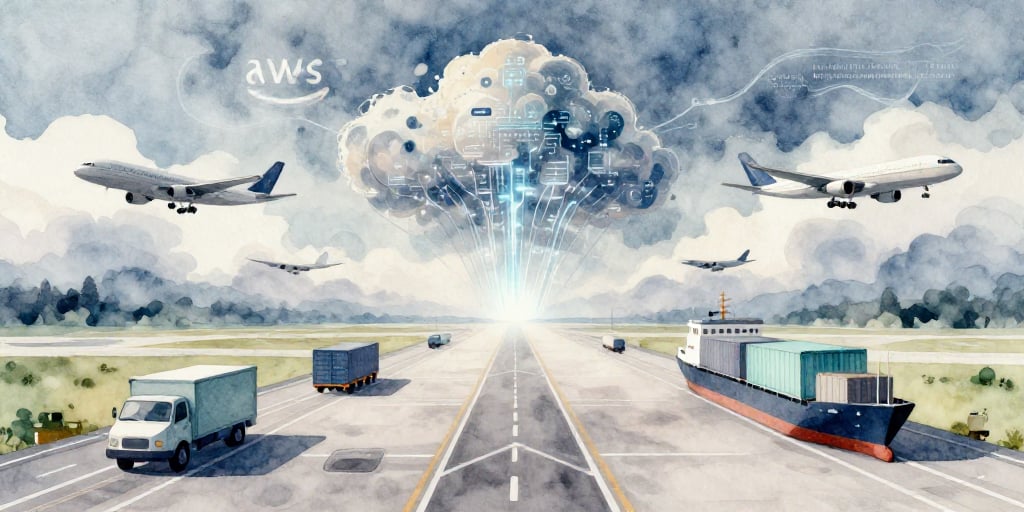
Amazon.com Inc. has unveiled a comprehensive logistics platform that consolidates its air, sea, truck, and last‑mile delivery capabilities into a single, integrated offering for third‑party businesses. Early adopters, including Procter & Gamble and 3M, reportedly already leverage the service, signaling Amazon’s intent to extend its reach beyond retail fulfillment.
1. Business Fundamentals Behind the Move
1.1 Revenue Diversification
Amazon’s logistics arm, known as Amazon Logistics (AL), has grown steadily since its inception. According to the company’s 2023 annual report, AL generated $7.5 billion in revenue, up 28 % year‑over‑year, and is projected to reach $12 billion by 2026. By opening the platform to external clients, Amazon can tap into a broader addressable market, potentially capturing an additional 15–20 % of the global logistics spend that traditionally flows to independent carriers.
1.2 Economies of Scale
Amazon’s existing network already benefits from significant scale: over 1,200 fulfillment centers, 200+ air cargo hubs, and an expanding fleet of delivery vans and drones. Bundling these assets into a single service reduces per‑unit transportation costs for clients, while spreading fixed costs—such as warehouse infrastructure and technology investments—across a larger volume of shipments.
1.3 Technology Leverage
The platform is underpinned by Amazon’s proprietary routing algorithms, predictive analytics, and the company’s Amazon Web Services (AWS) cloud infrastructure. These technologies enable real‑time shipment tracking, dynamic capacity allocation, and automated customs clearance—features that are difficult for traditional freight operators to match.
2. Regulatory Landscape
2.1 Transportation and Safety Standards
Operating a multi‑modal logistics network requires compliance with a patchwork of national and international regulations. In the United States, the Department of Transportation (DOT) and the Federal Motor Carrier Safety Administration (FMCSA) oversee truck operations, while the Federal Aviation Administration (FAA) regulates air transport. In the European Union, the European Union Aviation Safety Agency (EASA) and the European Union Maritime Safety Agency (EMSA) govern air and sea segments, respectively.
Amazon’s ability to navigate these regulatory regimes—through existing licensing (e.g., DOT Part 390 for cargo carriers) and partnerships with local operators—provides a competitive advantage over smaller, regionally focused carriers that may lack the resources to achieve multi‑jurisdictional compliance.
2.2 Data Privacy and Cybersecurity
The platform’s reliance on data analytics raises concerns under GDPR, CCPA, and other privacy regulations. Amazon’s established data governance framework, coupled with its investment in end‑to‑end encryption, positions the company to mitigate regulatory risks and instill client confidence.
2.3 Antitrust Scrutiny
Given Amazon’s dominant position in e‑commerce and its expanding logistics footprint, the platform could attract regulatory scrutiny. The U.S. Federal Trade Commission (FTC) and the European Commission are likely to monitor market concentration, particularly if Amazon leverages its retail data to gain undue advantage in pricing or capacity allocation.
3. Competitive Dynamics
3.1 Displacement of Traditional Carriers
The launch has already triggered observable market reactions: shares of established freight companies such as UPS and FedEx fell by 3–5 % following the announcement, reflecting investor concerns over Amazon’s potential to erode traditional freight margins. Amazon’s pricing model—leveraging a subscription‑based “Amazon Logistics Services” fee structure—offers clients a predictable cost framework, contrasting with the variable rate models of incumbents.
3.2 Potential for Partnerships or Consolidation
Some carriers may respond by forming strategic alliances with Amazon to gain access to its network. For instance, UPS could explore joint ventures in last‑mile delivery to leverage Amazon’s autonomous vehicle pilot programs. Alternatively, smaller niche carriers may seek niche differentiation, focusing on specialized cargo (e.g., temperature‑controlled, hazardous materials) where Amazon’s scale may be less relevant.
3.3 Innovation Arms Race
Amazon’s investment in satellite‑based connectivity through its Leo network is poised to further disrupt logistics by providing real‑time positioning in remote or congested areas. Competitors that lag in adopting similar technologies may face obsolescence unless they invest aggressively in next‑generation tracking solutions.
4. Market Implications
4.1 Energy and Geopolitical Factors
The concurrent rise in energy prices—spurred by Middle Eastern geopolitical tensions—has inflated operating costs for all transport modes. While Amazon’s integrated network can buffer these shocks through internal fuel hedging and alternative energy sources, the broader industry faces margin compression. Investors should monitor how Amazon’s hedging strategies and fuel efficiency initiatives (e.g., electric delivery vans) perform under volatile energy markets.
4.2 Investor Sentiment
Amazon’s stock experienced a modest uptick following the logistics announcement, reflecting positive sentiment around revenue diversification. In contrast, FedEx and UPS stocks declined sharply, indicating a perception of heightened competitive threat. These movements suggest that the market is already pricing in the potential shift in market share.
5. Risks and Opportunities
| Risk | Opportunity |
|---|---|
| Regulatory Pushback – Antitrust investigations could limit Amazon’s ability to price competitively or restrict data use. | Scalable Margins – Leveraging existing infrastructure to serve external clients could yield high gross margins, as fixed costs are already amortized. |
| Operational Integration – Complex logistics across modes may encounter inefficiencies, leading to service quality issues. | Data Monetization – Aggregated shipment data can be leveraged for advanced analytics, providing value‑added services to clients and informing Amazon’s own operations. |
| Cyber Threats – Increased data flow elevates exposure to breaches. | Technology Leadership – Continued investment in satellite connectivity and autonomous delivery vehicles positions Amazon as a logistics pioneer. |
| Supply‑Chain Disruptions – Global events (e.g., pandemics, trade wars) could strain network capacity. | First‑Mover Advantage – Early adoption of integrated platforms may capture market share before incumbents can adjust. |
6. Conclusion
Amazon’s decision to open its logistics network to third‑party businesses represents a calculated strategy to diversify revenue streams and deepen market penetration in the logistics sector. By leveraging economies of scale, proprietary technology, and a robust regulatory framework, Amazon can disrupt traditional freight models and establish itself as a full‑service logistics provider. However, the move introduces regulatory, operational, and cyber‑security risks that must be carefully managed. Investors and industry observers should watch closely how Amazon balances these risks against the potential for substantial growth in its logistics division.