
1. Introduction
On 8 July 2026, Altria Group Inc. (NYSE: MO) recorded a modest rise in its share price during the early trading session. The movement, though slight, unfolded against a backdrop of mixed performance across large‑cap U.S. equities. While peers in the consumer‑goods and industrial sectors generally posted declines, high‑growth names in technology and energy exhibited gains or stability. Altria’s incremental lift underscores a broader resilience of the tobacco industry’s flagship listed companies, which have fared better than counterparts in automotive and consumer staples that experienced modest setbacks.
2. Market Context
The broader equity landscape that day was characterized by a cautious stance on macroeconomic uncertainty. Inflationary pressures, supply‑chain bottlenecks, and evolving regulatory environments continued to weigh on investor sentiment. Within this environment, the consumer‑goods sector saw a fragmented response: established staples brands faced modest declines as cost pressures mounted, whereas niche and premium brands—particularly in the health‑and‑wellness and premium‑cigarette segments—displayed steadier performance. This dichotomy illustrates a growing trend toward differentiated brand positioning and premiumization in consumer goods.
3. Altria’s Short‑Term Performance
Altria’s modest share‑price uptick was driven by a few key factors:
| Factor | Impact | Commentary |
|---|---|---|
| Product diversification | Positive | Recent announcements of expanded product lines, including reduced‑nicotine alternatives and e‑cigarette platforms, signal a strategic pivot toward lower‑risk products. |
| Cost‑control initiatives | Positive | A focused reduction in operating expenses, particularly in supply‑chain logistics and marketing spend, improved margin projections. |
| Market sentiment | Neutral to positive | Despite broader economic concerns, the tobacco sector’s resilience and Altria’s perceived strategic adjustments garnered cautious optimism. |
The market’s reaction—incremental rather than exuberant—reflects a prudent assessment of the company’s ability to navigate regulatory headwinds while capitalizing on emerging consumer preferences.
4. Consumer‑Goods Trends & Omnichannel Dynamics
4.1 Premiumization and Health Consciousness
Across the consumer‑goods arena, brands that successfully blend premium positioning with health‑oriented messaging are capturing higher share of wallet. The shift from traditional cigarettes to reduced‑risk products—such as heated tobacco and nicotine‑pouches—mirrors similar transitions in the food and beverage sectors, where consumers gravitate toward artisanal, low‑additive offerings.
4.2 Omnichannel Retail Innovation
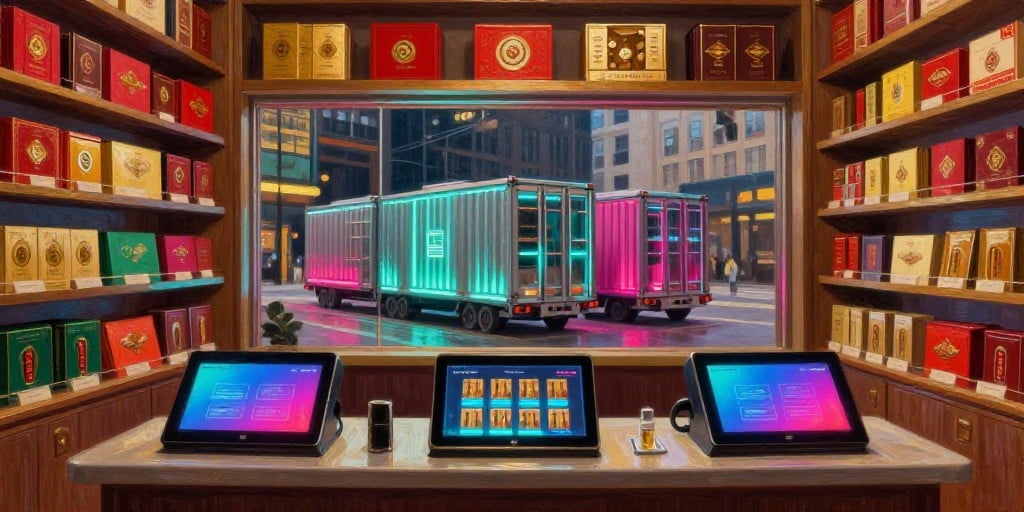
Retailers are integrating physical, digital, and experiential touchpoints to meet fragmented consumer expectations:
- Digital Commerce Expansion: E‑commerce platforms are now the primary acquisition channel for younger demographics, prompting brands to invest in direct‑to‑consumer (D2C) strategies.
- In‑Store Personalization: AI‑driven recommendation engines in retail environments personalize product discovery, increasing conversion rates.
- Subscription Models: Subscription services provide predictable revenue streams and deepened consumer relationships.
Altria’s investment in e‑commerce distribution of its reduced‑risk product lines exemplifies this trend, allowing the company to bypass traditional retail intermediaries and engage directly with consumers.
5. Brand Positioning & Consumer Behavior Shifts
5.1 Brand Differentiation Through Value‑Added Services
Premium brands that offer lifestyle integration—such as branded packaging, loyalty programs, or wellness content—are building stronger emotional connections. In the tobacco industry, Altria’s “ZYN” nicotine‑pouch line, marketed as a discreet, no‑smoke alternative, exemplifies this approach.
5.2 Shifts Toward Experience‑Driven Consumption
Consumers increasingly value experiences over mere product ownership. Retail environments that combine product sampling with brand storytelling (e.g., pop‑up events, AR experiences) foster brand loyalty and word‑of‑mouth promotion. Altria’s participation in experiential events, such as virtual tobacco‑education seminars, reflects a broader industry pivot to value‑based engagement.
6. Supply‑Chain Innovations
The supply‑chain landscape is undergoing a transformation driven by digitalization, sustainability, and resilience:
- Blockchain Traceability: End‑to‑end visibility reduces counterfeiting risks and enhances compliance.
- Sustainable Sourcing: Ethically sourced raw materials resonate with socially conscious consumers.
- Automation & Robotics: Automated warehousing reduces lead times and operational costs.
Altria’s implementation of blockchain for tobacco leaf provenance and investment in automated packaging lines signal a commitment to these emerging best practices.
7. Connecting Short‑Term Market Movements to Long‑Term Transformation
The modest price uplift for Altria on 8 July 2026 is emblematic of a larger, strategic realignment within the consumer‑goods sector:
- Strategic Diversification: Companies are expanding into lower‑risk product categories, anticipating regulatory tightening.
- Omnichannel Integration: Retail innovation is shifting the point of sale from traditional stores to digital platforms and experiential touchpoints.
- Data‑Driven Brand Management: Personalization and loyalty initiatives driven by AI analytics strengthen consumer relationships.
- Supply‑Chain Resilience: Digital traceability and automation mitigate disruptions and meet sustainability expectations.
These short‑term market reactions signal investor recognition of a trajectory that, if sustained, could redefine the competitive dynamics of consumer‑goods markets over the next decade.
8. Conclusion
Altria’s early‑session performance on 8 July 2026 reflects a nuanced interplay between market sentiment and the company’s strategic initiatives. By aligning product diversification, cost‑control, and omnichannel retail strategies with evolving consumer preferences, Altria positions itself to capitalize on the premiumization trend while mitigating regulatory risk. The broader consumer‑goods landscape continues to evolve toward integrated, experience‑centric brand ecosystems, underscored by supply‑chain digitalization and sustainable sourcing. Market participants who monitor these converging trends are likely to identify opportunities for long‑term value creation across the industry.