Corporate Overview
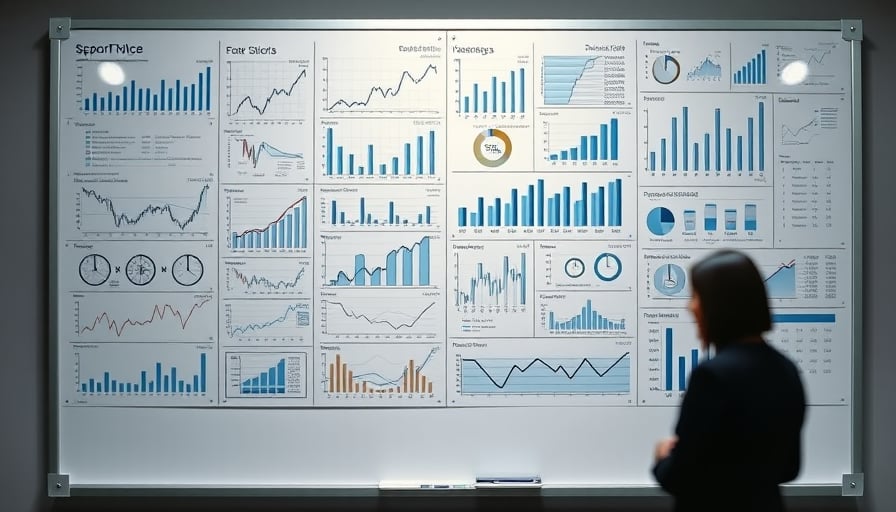
AltaGas Ltd. reported a net profit of approximately US$200 million for the most recent quarter, a modest rise compared with the same period a year earlier. Revenue increased to just over US$3 billion, reflecting incremental growth in the company’s core operations. The earnings release also announced the appointment of Derek Evans as board chair, effective early May, succeeding the outgoing chair as part of a planned transition.
Investors were informed that the company will pay a small quarterly dividend on both preferred and common shares. The accompanying guidance indicates that AltaGas expects continued stability in operating performance throughout 2026.
Implications for Power Generation, Transmission, and Distribution
Grid Stability and Renewable Integration
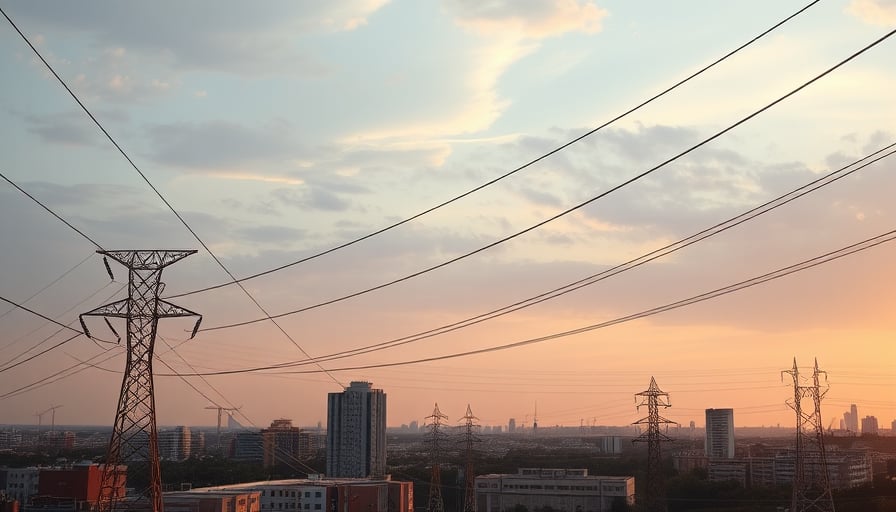
AltaGas’s financial health supports continued investment in the power generation and distribution infrastructure necessary to accommodate the growing penetration of variable renewable energy (VRE) sources. Key challenges in grid stability include:
| Challenge | Technical Considerations | Mitigation Strategies |
|---|---|---|
| Frequency Regulation | VRE output fluctuates on timescales of seconds to minutes, potentially destabilizing system frequency. | Deploy fast‑acting energy storage, demand response, and synthetic inertia from inverter‑based resources. |
| Voltage Control | Variable reactive power from wind and solar can cause voltage swings. | Implement voltage‑controlled converters and dynamic shunt capacitors. |
| Protection Coordination | Traditional overcurrent relays may misoperate with inverter‑based generation. | Upgrade protection schemes to incorporate adaptive logic and wide‑area monitoring. |
AltaGas’s recent earnings provide a foundation for financing these upgrades, which are essential to maintain the reliability of both bulk transmission and local distribution networks.
Infrastructure Investment Requirements
The company’s net profit margin suggests a healthy capacity to fund:
- Transmission Upgrades – High‑voltage lines and substations to interconnect emerging renewable clusters.
- Distributed Energy Resources (DER) Integration – Smart meters, advanced distribution management systems (ADMS), and grid‑edge storage.
- Cyber‑Physical Security – Robust cybersecurity controls to protect critical control system components.
A strategic capital allocation plan should prioritize projects that deliver the greatest return on reliability and resiliency improvements, while also aligning with broader decarbonization targets.
Regulatory Frameworks and Rate Structures
Policy Landscape
Regulatory bodies in Canada, such as the Canadian Energy Regulator (CER) and provincial utilities commissions, set the stage for investment decisions by:
- Defining unbundling requirements that separate generation, transmission, and distribution operations.
- Establishing performance‑based incentives for renewable integration, grid modernization, and emissions reduction.
- Mandating consumer protection standards that limit rate increases while ensuring adequate cost recovery.
Rate Design Considerations
- Energy‑Based Rates: May discourage investment in efficiency and renewable capacity.
- Capacity‑Based Rates: Encourage utilities to invest in grid stability assets to support peak demand and renewable variability.
- Time‑of‑Use (TOU) Tariffs: Align consumer usage with renewable output, reducing curtailment and fostering demand response.
AltaGas’s guidance on stable operations for 2026 suggests that current rate structures will remain unchanged in the short term. However, long‑term reliability will depend on how effectively the company can navigate evolving regulatory mandates that increasingly favor low‑carbon generation and smart grid solutions.
Economic Impacts on Utility Modernization and Consumer Costs
Cost Pass‑Through Dynamics
Infrastructure upgrades typically result in incremental cost recoveries through:
- Rate Increases: Gradual, regulated rate hikes tied to verified capital expenditures.
- Capital Rate Adjustments: Lower borrowing costs due to improved credit ratings derived from strong financial performance.
Consumers may experience modest rate increases, but these are offset by gains in reliability, reduced outage durations, and lower energy losses through advanced distribution technologies.
Return on Investment (ROI) Analysis
Using a discounted cash flow (DCF) model, utilities can estimate the net present value (NPV) of grid modernization projects. Key inputs include:
- Capital Expenditure (CapEx): Upfront spending on lines, substations, and control systems.
- Operating Expenditure (OpEx): Ongoing maintenance and personnel costs.
- Savings: Reduced loss of load, lower outage repair costs, and avoided penalties for reliability shortfalls.
AltaGas’s profitable quarter signals that the company can absorb initial CapEx without compromising core operations, thereby enabling a higher ROI for modernization initiatives.
Conclusion
AltaGas Ltd.’s recent earnings reinforce its capacity to support the technical and economic demands of modern power systems. By strategically investing in grid stability, renewable integration, and smart infrastructure, the company can maintain regulatory compliance, achieve cost‑effective operation, and deliver reliable service to consumers while contributing to Canada’s transition toward a low‑carbon energy future.