
Corporate Overview and Financial Performance
AltaGas Ltd. released its first‑quarter 2026 financial results, reporting a significant rise in normalized earnings before interest, taxes, depreciation and amortisation (EBITDA). The company’s earnings trajectory now aligns with the upper range of its annual guidance, driven primarily by a robust liquefied petroleum gas (LPG) market. Despite a modest decline in first‑quarter profit compared to the same period a year earlier, management emphasized the sustained upward momentum and the firm’s preparedness to capitalize on prevailing market dynamics.
Key highlights include:
- Normalized EBITDA growth that exceeds analyst expectations, reflecting strong commodity pricing and cost discipline.
- Positive trend in revenue streams, underpinned by continuous demand for LPG in North America and emerging export opportunities.
- Progress on capital projects that keep AltaGas on track for its 2026 targets, reinforcing the company’s expansion strategy.
Management’s earnings call confirmed a disciplined approach to capital allocation, risk management, and shareholder value creation, signalling confidence in the company’s long‑term positioning within the energy sector.
Implications for the Power Generation, Transmission, and Distribution Landscape
While AltaGas’s core focus lies in LPG production and distribution, its financial health and strategic initiatives bear relevance to broader power system infrastructure and the ongoing energy transition.
Grid Stability and Renewable Energy Integration
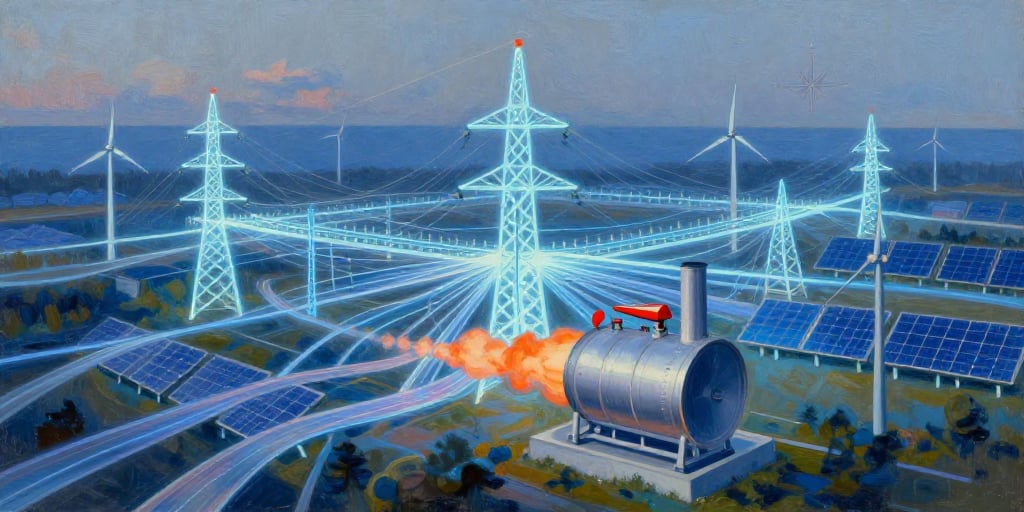
The Canadian power grid is increasingly incorporating variable renewable resources—wind, solar, and hydroelectric—requiring sophisticated control and balancing mechanisms. AltaGas’s liquidity and operational resilience enable it to participate in ancillary services markets, such as frequency regulation and spinning reserve provision, thereby contributing to grid stability. By leveraging its LPG infrastructure as a dispatchable, low‑carbon fuel source, the company can support load following and peak shaving, mitigating volatility introduced by intermittent renewables.
Infrastructure Investment Requirements
The integration of renewables imposes significant investment demands on transmission and distribution networks. Key infrastructure upgrades include:
- High‑capacity transmission corridors to transport power from remote renewable sites to load centers.
- Smart grid technologies that enable real‑time monitoring, adaptive protection, and dynamic voltage control.
- Energy storage deployments to buffer supply fluctuations and provide grid services.
AltaGas’s capital expenditure plans, aligned with its strategic roadmap, demonstrate an understanding of these requirements. The company’s ability to secure financing and execute large‑scale projects positions it to support grid modernization initiatives, whether through direct investments or through partnerships with utilities and independent power producers.
Regulatory Frameworks and Rate Structures
The Canadian regulatory environment shapes how utilities can recover investment costs and manage rates. Key aspects include:
- Regulated rate-of-return models that incentivize utilities to invest in reliability and renewable integration while limiting consumer exposure to cost overruns.
- Dynamic pricing mechanisms that reflect real‑time supply and demand conditions, encouraging demand response participation.
- Incentive programs for renewable generation and storage deployment, such as the Canada Infrastructure Bank and provincial renewable portfolio standards.
AltaGas’s transparent reporting of its cost structure and future commitments allows regulators to assess the fairness of rate proposals, ensuring that investment in grid resilience does not disproportionately burden end users. Moreover, the company’s engagement in policy discussions helps shape balanced frameworks that promote renewable adoption while preserving grid stability.
Economic Impacts on Utility Modernization
Modernizing the power grid yields multi‑dimensional economic benefits:
- Reduced transmission losses and improved voltage stability lower operational costs for utilities.
- Enhanced reliability mitigates costly outages and associated economic damages.
- Increased renewable penetration lowers greenhouse gas emissions, aligning with national climate targets and potentially unlocking carbon credits.
From a consumer perspective, the transition can influence electricity tariffs. While initial investment costs may lead to modest rate hikes, the long‑term savings from improved efficiency and reduced reliance on fossil fuels can offset these increases. AltaGas’s emphasis on disciplined capital allocation helps keep these cost impacts manageable, fostering consumer confidence in the transition.
Conclusion
AltaGas Ltd.’s first‑quarter performance underscores the company’s strong market position and its capacity to support broader energy system objectives. By aligning its financial trajectory with grid stability, renewable integration, and infrastructure investment imperatives, the firm exemplifies a forward‑looking approach that benefits both the energy sector and consumers. As regulatory frameworks evolve and the transition to a cleaner energy mix accelerates, AltaGas’s strategic focus on operational excellence and disciplined risk management will remain pivotal in shaping the future of power generation, transmission, and distribution in Canada.