
Corporate Overview and Strategic Context
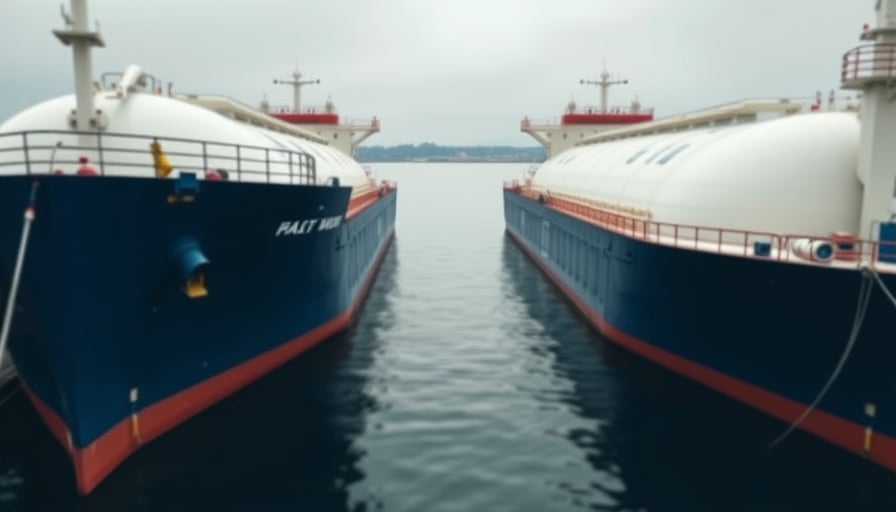
AltaGas Ltd., a Calgary‑based utility listed on the Toronto Stock Exchange, has articulated significant progress in expanding its propane distribution footprint in Asia. The company now supplies a substantial share of China’s propane imports following the operationalisation of Canada’s inaugural propane export terminal in Prince Rupert in 2019 and the launch of shipments to China earlier this year. In addition, AltaGas maintains a sizeable presence in liquefied petroleum gas (LPG) markets in South Korea and Japan. This overseas expansion is positioned as a key element of a broader strategy to strengthen the company’s standing in high‑growth Asian markets while complementing its domestic activities in natural gas production, transmission, and electricity generation.
Power Generation, Transmission, and Distribution Implications
AltaGas’s entry into the Asian LPG market underscores the company’s evolving role as a vertically integrated energy provider. While propane is primarily used for heating, cooking, and transportation, the company’s broader portfolio includes natural‑gas‑powered generation assets and a network of transmission infrastructure. The additional revenue stream from international propane sales can be leveraged to finance upgrades to the existing transmission grid, including the deployment of high‑capacity AC and HVDC lines that are essential for integrating variable renewable energy sources such as wind and solar.
From an engineering standpoint, the integration of increased gas supply into the transmission network necessitates careful balancing of load curves and the implementation of advanced power‑flow optimisation algorithms. The procurement of higher‑quality natural gas enables the operation of gas‑turbine units at higher efficiencies, thereby reducing marginal emissions per megawatt‑hour produced. Consequently, this can support grid operators in maintaining voltage stability and frequency regulation, particularly during periods of high renewable penetration.
Renewable Energy Integration Challenges
The Canadian power system is experiencing a rapid transition to renewable generation. The variability inherent in wind and solar output introduces fluctuations that require robust balancing services. AltaGas’s expanded propane logistics capability can serve as a flexible dispatchable resource, providing ramp‑up and ramp‑down services that are critical for mitigating the intermittency of renewables. Additionally, the company’s expertise in gas‑turbine operations can be exploited for demand‑side response programmes, wherein the gas network is leveraged to absorb excess renewable generation or to supply backup capacity during forecasted deficits.
Grid stability is further enhanced through the use of Combined Heat and Power (CHP) facilities, which AltaGas can deploy in regions with high thermal demand. CHP units improve overall system efficiency and reduce the need for peaking power plants, thereby lowering the carbon intensity of the electrical supply. The deployment of smart inverters and dynamic reactive power compensation devices, coordinated through real‑time SCADA systems, further mitigates voltage sag and improves power quality.
Infrastructure Investment Requirements
To sustain its dual focus on propane exportation and domestic power generation, AltaGas must undertake substantial capital expenditures. Key investment areas include:
- Transmission Upgrades: Installation of 400‑kV AC and 500‑kV HVDC corridors to accommodate higher power flows from remote renewable projects and to ensure inter‑regional reliability.
- Gas Pipeline Expansion: Development of new pipeline segments connecting the Prince Rupert export terminal to the Chinese mainland, incorporating compressor stations that support long‑haul pressure management.
- Digital Asset Management: Deployment of advanced Asset Management Systems (AMS) and Phasor Measurement Units (PMUs) to provide real‑time visibility of grid conditions and to support predictive maintenance of both gas and power assets.
- Renewable Integration Facilities: Construction of energy storage installations (battery and pumped‑hydro) to smooth out renewable output, complemented by flexible gas turbine units for balancing services.
These investments are projected to unlock new revenue streams, reduce system losses, and enhance the overall resilience of the energy supply chain.
Regulatory Frameworks and Rate Structures
In Canada, the regulatory oversight of utilities is administered by the Canadian Energy Regulator (CER) and provincial bodies such as the Alberta Utilities Commission. The CER’s mandate includes setting long‑term procurement contracts, approving rate cases, and ensuring that inter‑provincial trade adheres to national standards. For AltaGas, this translates into:
- Rate Design: Tiered charging for gas consumers, incorporating a demand‑based component that incentivises load shifting. For power generation, the rate structures often feature time‑of‑use tariffs that align with the variable costs of operating gas turbines during peak periods.
- Inter‑regional Trade Regulations: Compliance with the Canada‑U.S. and Canada‑China trade agreements, ensuring that cross‑border shipments of LPG meet safety, environmental, and customs requirements.
- Renewable Portfolio Standards (RPS): Alignment with provincial RPS mandates, which may necessitate the integration of renewable energy credits (RECs) or the acquisition of renewable certificates to satisfy regulatory obligations.
The economic implications of these frameworks are multifaceted. On the consumer side, the shift towards demand‑based rates can encourage energy efficiency, thereby reducing overall consumption and stabilising costs. On the corporate side, regulatory certainty facilitates long‑term investment planning, while potential rate‑setting mechanisms can influence the pricing of gas and electricity services.
Economic Impacts of Utility Modernization
The modernization of utility infrastructure is expected to yield significant economic benefits:
- Cost Savings: Improved transmission efficiency reduces line losses by up to 2 %, translating into lower operating costs for both AltaGas and its customers.
- Job Creation: Large‑scale infrastructure projects generate employment opportunities, ranging from engineering and construction roles to operations and maintenance positions.
- Energy Security: Diversifying fuel sources and integrating flexible gas resources enhance resilience against supply disruptions, mitigating price volatility and protecting consumers from abrupt cost spikes.
- Carbon Reduction: Higher utilization of natural gas in place of coal and oil, coupled with renewable integration, lowers the overall greenhouse gas footprint, supporting Canada’s climate commitments.
However, the upfront capital outlays are substantial, and the return on investment must be evaluated against projected regulatory returns, market conditions, and potential policy shifts in carbon pricing or renewable subsidies.
Engineering Insights into Power System Dynamics
From a technical perspective, the integration of propane exportation activities with the domestic power grid necessitates sophisticated modelling of power system dynamics. Key considerations include:
- Load Flow Analysis: Utilising Newton‑Raphson and Fast Decoupled methods to simulate the impact of increased gas turbine output on voltage profiles across the network.
- Transient Stability: Employing time‑domain simulations (e.g., PSS®E, DIgSILENT PowerFactory) to assess the system’s response to sudden disturbances, such as the loss of a gas‑powered plant during a renewable shortfall.
- Frequency Regulation: Implementing secondary frequency control loops that adjust gas turbine output in real time, thereby maintaining system frequency within ±0.1 Hz of the nominal 50 Hz or 60 Hz standard.
- Coordinated Control Schemes: Integrating distributed energy resources (DERs), such as rooftop PV and battery storage, through a hierarchical control architecture that prioritises system stability over local optimization.
These engineering solutions not only ensure reliable operation but also facilitate the seamless transition to a low‑carbon energy mix, aligning corporate strategy with national energy policy objectives.
Conclusion
AltaGas Ltd.’s expansion into the Asian propane market represents a strategic diversification that complements its domestic natural‑gas and power generation operations. By leveraging its growing export capacity, the company can secure additional revenue streams that support critical infrastructure upgrades, particularly in transmission and renewable integration. The technical and regulatory challenges associated with this expansion are substantial, but the potential economic and environmental benefits—ranging from improved grid reliability to reduced carbon emissions—justify the necessary investments. As Canada continues to pursue aggressive renewable targets, companies like AltaGas will play a pivotal role in bridging the gap between traditional gas assets and the emerging clean‑energy paradigm, ensuring stable, affordable power for consumers while advancing the national energy transition.