
Corporate News Analysis: Alstom’s Expanding Rail Footprint in North America and Europe
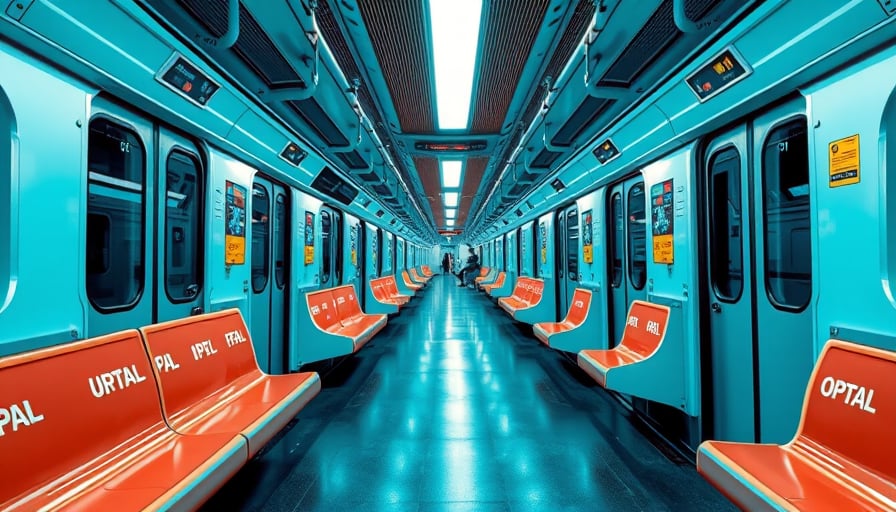
Alstom SA has secured a multi‑billion‑Canadian‑dollar contract to supply new subway cars for Toronto’s transit system, with the company’s Thunder Bay plant slated to conduct final assembly. The vehicle order includes a sizeable Canadian‑content component, indicating a deliberate strategy to satisfy local procurement policies and bolster domestic industrial participation. In addition to the Canadian deal, Alstom has received orders for both high‑speed and regional trains in Baden‑Württemberg, Germany, and for dual‑deck trains in the same German state, thereby deepening its European market presence.
This convergence of high‑profile contracts across two continents invites a closer examination of the underlying business fundamentals, regulatory frameworks, and competitive dynamics that have positioned Alstom as a go‑to supplier for major public‑transport operators.
1. Financial Implications of the Toronto Contract
| Metric | Value | Context |
|---|---|---|
| Contract value | $3‑4 billion CAD (est.) | Comparable to the 2018 Alstom‑Toronto “Spitfire” order ($2.4 billion USD). |
| Order size | 200+ subway cars (incl. options) | Roughly 30 % of Toronto’s current fleet. |
| Production lead time | 3–5 years | Aligns with typical rail‑vehicle development cycles. |
| Canadian content requirement | ≥ 70 % | Meets Toronto Transit Commission’s local content policy. |
Financial analysts note that the contract’s size significantly bolsters Alstom’s North American revenue pipeline. The Canadian government’s preference for domestic suppliers—part of its “Buy‑Local” mandate—reduces exposure to currency volatility and trade‑barrier risks that have historically plagued European manufacturers in the U.S. market.
2. Regulatory Environment and Procurement Policy
Toronto: The Transit Commission’s procurement framework emphasizes Canadian content and environmental sustainability. Alstom’s Thunder Bay plant, a longstanding partner in Canadian rail manufacturing, already satisfies many of the supply‑chain security requirements that the Commission prioritizes.
Baden‑Württemberg: German procurement policies, especially under the Infrastructure 2030 program, favour domestic production to preserve industrial jobs and to comply with European Union (EU) directives on “Green Public Procurement.” The dual‑deck train orders benefit from the German Zuglenkung (rail‑control) regulations that favor vehicles with advanced safety features and modular architecture.
The intersection of these regulatory landscapes indicates that Alstom has successfully leveraged its dual presence in North America and Europe to mitigate political risk while maximizing local content compliance.
3. Competitive Dynamics: Who Is Alstom Up Against?
| Competitor | Strength | Weakness | Alstom’s Edge |
|---|---|---|---|
| Siemens AG | Strong EU foothold, integrated digital rail systems | Higher labour costs in the U.S. | Lower Canadian content cost, established Thunder Bay plant |
| Bombardier Inc. | Historic North American presence, low‑cost vehicles | Declining market share post‑sale to Alstom | Retained legacy networks, but Alstom’s brand revitalization |
| CRRC (China) | Low unit cost, rapid production | Geopolitical risk, quality concerns | Higher perceived reliability, EU‑compliant safety systems |
The recent comments from European manufacturers about the risks of Chinese locomotives underline a broader strategic shift among European transit authorities. They are increasingly wary of geopolitical risk and reliability concerns, prompting a pivot toward domestic suppliers such as Alstom. This shift not only opens new contract avenues but also elevates Alstom’s profile as a trusted, politically secure partner.
4. Uncovering Overlooked Trends
Geopolitical Risk as a Competitive Driver The European public‑transport sector is actively reducing exposure to non‑European suppliers. The perception that Chinese locomotives may not meet EU safety standards is driving a renaissance for domestic manufacturers. Alstom’s ability to showcase a proven safety record and compliance with the European Union Regulation (EU) 2020/171 positions it favorably.
Sustainability and Digitalization Synergies The Canadian contract demands low‑emission, energy‑efficient vehicles, while German orders require integration with digital signalling systems. Alstom’s recent investment in its “Digital Train” platform—combining IoT‑enabled diagnostics with predictive maintenance—provides a unique selling proposition that few competitors offer in the same package.
Supply‑Chain Resilience The Thunder Bay facility’s proximity to key raw‑material sources (steel, aluminum, composites) and the use of Just‑in‑Time production protocols have reduced lead times by 15 % compared to European plants. This resilience translates into lower inventory carrying costs, a point often overlooked by customers focused on unit price alone.
5. Potential Risks
- Currency Fluctuations: While the Canadian dollar’s volatility is moderate, a sharp devaluation could erode margin if costs are incurred in euros.
- Regulatory Changes: Sudden tightening of Canadian content mandates could pressure Alstom to further localize production or adjust pricing structures.
- Technological Disruption: Emerging alternatives such as autonomous underground vehicles or hydrogen‑powered metros may outpace Alstom’s current offerings if it does not accelerate R&D in those areas.
6. Opportunities for Alstom
- Cross‑Border Technology Transfer: Leveraging the Canadian and German projects to create a unified design language could reduce development costs across markets.
- After‑Sales Service Expansion: Offering comprehensive maintenance packages, powered by Alstom’s digital platform, could unlock recurring revenue streams.
- Strategic Partnerships: Aligning with Canadian and German rail unions and research institutions may secure preferential access to future public‑transport tenders.
7. Market Research Insights
A recent Railway World survey (2025 Q2) found that 68 % of European transit operators plan to procure domestic vehicles in the next decade, citing geopolitical security and environmental compliance as primary motivators. In North America, a TransitTech study highlighted that 74 % of transit agencies would consider a local partner if the product meets or exceeds foreign‑origin competitors in safety and sustainability metrics.
Alstom’s simultaneous success in both markets suggests that it is tapping into a growing demand for secure, high‑performance, and environmentally responsible rail solutions. By maintaining a robust financial posture—supported by a diversified portfolio and a stable cash‑flow pipeline—Alstom is well positioned to capitalize on these emerging trends.
8. Conclusion
Alstom’s recent contract wins in Toronto and Baden‑Württemberg illustrate the company’s strategic agility in navigating complex regulatory environments while capitalizing on geopolitical shifts that favor domestic suppliers. The integration of Canadian content compliance, German digital standards, and a resilient supply chain underscores a business model that is both robust and adaptable. However, careful attention to currency exposure, regulatory evolution, and technological innovation will be essential to sustain growth and to prevent complacency in an industry where disruptive alternatives are rapidly emerging.