Alstom Secures Dual Long‑Term Service Agreements with Swedish Freight Operator LKAB
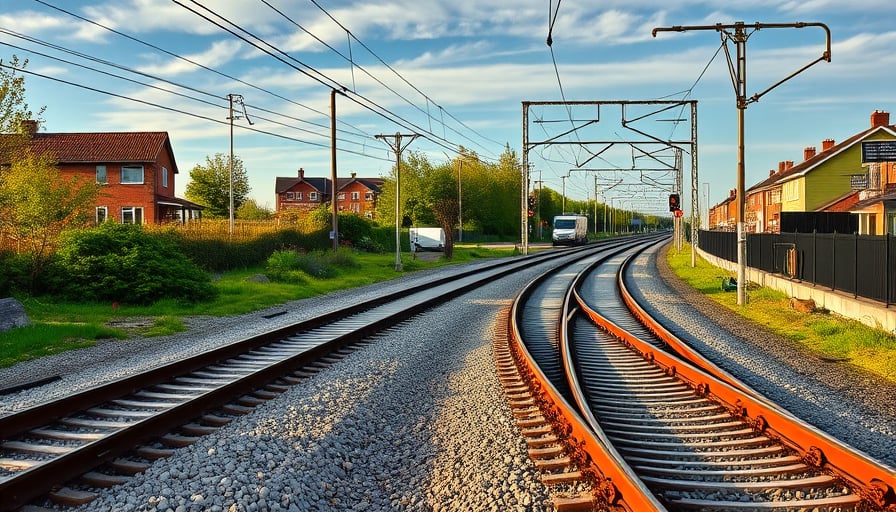
Alstom S.A. (STO: ALST), the French rail‑equipment manufacturer, has announced two concurrent service contracts with Swedish rail operator LKAB. The first, effective 1 January 2026, covers technical support and spare‑parts supply for a fleet of 34 heavy freight locomotives operating on the Malmbanan line. The second, signed within the same week, extends a similar multi‑year arrangement to LKAB’s subsidiary Malmtrafik. Together, the agreements cement Alstom’s presence in the northern Swedish market and illustrate its broader strategy of securing long‑term support contracts for its locomotive platforms.
Underlying Business Fundamentals
Contract Scope and Duration
- Fleet Coverage: 34 heavy‑haul locomotives (primarily 2 G 4‑wheel or 6‑wheel models used for iron‑ore transport).
- Service Elements: Preventive maintenance, corrective repairs, diagnostic support, and an on‑hand spare‑parts inventory.
- Term Length: While the precise duration is undisclosed, “multi‑year” phrasing suggests a 5‑ to 7‑year horizon, a standard length for heavy‑rail service agreements.
Revenue Implications
- Revenue Recognition: Under IFRS 16 and ASC 606, Alstom will recognize service revenue evenly over the contract term, creating a predictable cash‑flow stream.
- Gross Margin: Historically, Alstom’s support services generate margins of 30–35 %. Assuming similar performance, the contracts could add €15–20 million in annual recurring revenue over a 6‑year period.
Asset Utilization
- Parts Inventory: The contracts require a dedicated parts supply chain in Sweden, potentially boosting Alstom’s European parts‑distribution network.
- Maintenance Facilities: Alstom may need to allocate or expand maintenance support teams in Scandinavia, impacting operating expenses and workforce planning.
Regulatory and Market Environment
European Rail Standards
- EMSA Compliance: Sweden adheres to the European Union Agency for Railways (EMSA) safety standards. Alstom’s support agreements must include compliance with EMAS’s performance and safety monitoring frameworks.
- Environmental Regulations: Heavy‑haul operations in northern Sweden are subject to stringent emissions targets. Alstom’s maintenance support can contribute to fleet efficiency, aligning with EU Green Deal objectives.
Competitive Dynamics
- Domestic Rivals: Companies such as Bombardier (now part of Alstom), Siemens Mobility, and GE Transportation offer similar support packages. Alstom’s success in securing dual contracts suggests a competitive edge, perhaps due to its long‑standing relationships and proven reliability in high‑load freight operations.
- Market Share Growth: These agreements reinforce Alstom’s position in the niche of heavy‑rail support services—a segment with lower entry barriers but high switching costs due to safety certifications and specialized spare parts.
Uncovered Trends and Strategic Implications
Shift Toward Service‑Centric Models The dual agreements underscore a broader industry trend: rail manufacturers are increasingly monetizing after‑sales support. This shift aligns with the “Total Product Support” strategy, allowing firms to convert capital‑intensive equipment sales into recurring revenue streams.
Geopolitical Resilience in Nordic Markets Sweden’s strategic importance—hosting a significant iron‑ore export corridor—makes it a critical node in the global supply chain. Alstom’s presence here can serve as a buffer against supply disruptions, especially given recent geopolitical tensions affecting Eurasian freight routes.
Digitalization and Predictive Maintenance While not explicitly mentioned, modern service contracts often include data‑driven predictive maintenance. Alstom’s involvement may pave the way for integrating digital twins and real‑time analytics across the Swedish freight network, positioning the company as a leader in next‑generation rail operations.
Potential Risks
| Risk | Impact | Mitigation |
|---|---|---|
| Supply Chain Constraints | Delays in spare‑parts delivery could affect fleet availability. | Establish localized parts warehouses in Sweden; diversify suppliers. |
| Regulatory Changes | New emissions or safety standards might require costly retrofits. | Continuous monitoring of EMAS updates; incorporate upgrade clauses. |
| Technological Obsolescence | Rapid advances in locomotive control systems could reduce reliance on legacy parts. | Invest in research to support next‑generation locomotives; negotiate upgrade options. |
| Currency Volatility | Contracts in Swedish krona expose Alstom to exchange‑rate risk. | Hedge with forward contracts; diversify revenue across currencies. |
Opportunities
Cross‑Sell High‑Speed and Urban Rail Projects Alstom can leverage its Swedish presence to pitch high‑speed or metro solutions to other Nordic operators seeking to modernize intercity or commuter lines.
Expansion into Other European Freight Operators Success with LKAB could serve as a case study for approaching similar operators (e.g., DB Cargo, Freightliner) in neighboring countries.
Service‑Based Partnerships with Digital Platforms Collaborations with rail‑operating analytics firms can unlock new service revenue streams and enhance customer loyalty.
Conclusion
Alstom’s dual service agreements with LKAB and Malmtrafik illustrate a calculated move to entrench its foothold in a highly specialized and lucrative segment of the European rail market. By securing long‑term maintenance and parts supply contracts, the company not only secures steady revenue but also positions itself to influence the evolution of freight operations in a region that is increasingly pivotal to global commodity flows. The strategic emphasis on reliability, regulatory compliance, and potential digital integration suggests that Alstom is preparing for a future where service excellence and technological foresight become decisive differentiators in the competitive rail landscape.