
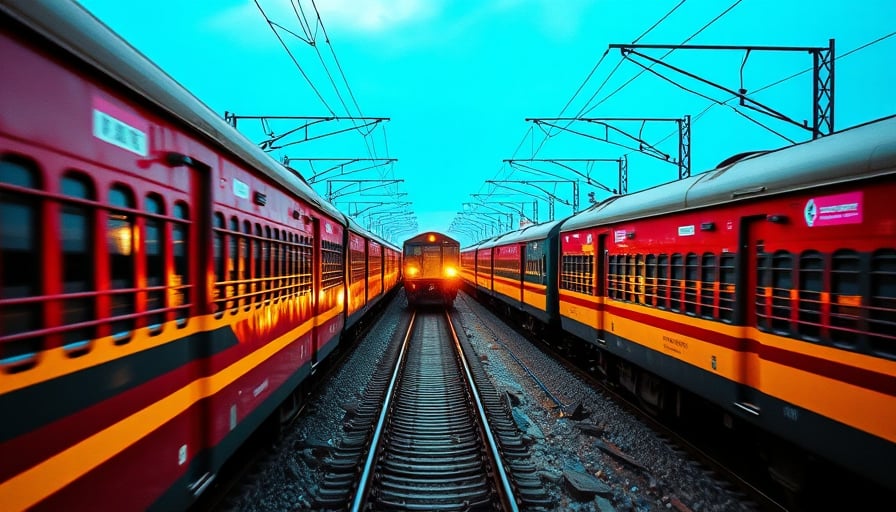
Alstom Secures Five‑Year Maintenance Contract for Indian Railways’ WAG‑12B Locomotives and Expands Footprint in Spain
Alstom SA, the global leader in rail technology and services, has announced a five‑year maintenance agreement for the WAG‑12B electric locomotives operated by Indian Railways. The contract, executed through Alstom’s joint venture with the Indian rail operator, covers the upkeep of 300 units at the Sabarmati depot in western India. Simultaneously, the company is reinforcing its industrial presence in Spain, continuing investment in its main Spanish plant and strengthening its integration into the local supply chain.
Strategic Significance of the Indian Contract
Enhancing Fleet Availability
The WAG‑12B locomotive is a cornerstone of Indian Railways’ freight operations. By committing to a comprehensive maintenance program, Alstom aims to improve the reliability and availability of these units. Consistent servicing schedules reduce unscheduled downtime, thereby increasing throughput capacity for freight traffic—a critical metric for a network that transports 80% of the country’s goods.
Leveraging Joint Venture Dynamics
The partnership between Alstom and the Indian rail operator exemplifies a strategic alliance that blends global technical expertise with local operational knowledge. Such joint ventures mitigate regulatory barriers, accelerate procurement cycles, and provide a platform for knowledge transfer. Alstom’s role as a service provider complements its traditional manufacturing focus, allowing the company to generate recurring revenue streams in a market characterized by high capital intensity and long asset lifecycles.
Alignment with Global Service‑Based Growth
Across the rail industry, operators are increasingly outsourcing maintenance to specialized service providers. This shift is driven by the need to maintain aging fleets while minimizing capital expenditures. Alstom’s entrance into this segment aligns with broader corporate trends toward service‑centric business models, which offer higher margins and better resilience to macroeconomic fluctuations.
Expansion and Economic Impact in Spain
Continued Investment in the Spanish Plant
Alstom’s main Spanish manufacturing facility remains a pivotal node in its global production network. By allocating capital toward plant modernization and capacity expansion, the company positions itself to meet growing demand for electrified rolling stock in the European Union, especially under the EU’s 2050 carbon neutrality targets.
Integration into Local Supply Chains
The firm’s growing involvement in Spanish supply chains reflects a deliberate strategy to deepen regional collaboration. By engaging local suppliers for components such as traction systems, braking modules, and control electronics, Alstom strengthens the resilience of its supply chain and contributes to a virtuous cycle of innovation and cost optimisation.
Employment and Regional Production
According to recent financial disclosures, the Spanish operations support a workforce of over 1,200 employees and generate a contribution to regional GDP that surpasses €250 million annually. This economic footprint underscores Alstom’s role as a key driver of industrial activity in the region and illustrates the symbiotic relationship between multinational enterprises and local economies.
Cross‑Sector Connections and Broader Economic Trends
Electrification and Sustainability
Both the Indian maintenance contract and the Spanish plant investment tie directly into global trends toward electrification and decarbonisation. Rail is often viewed as the most energy‑efficient mode of freight transport; thus, maintaining and expanding electric locomotive fleets is essential for meeting climate targets in both emerging and developed markets.
Service‑Driven Revenue Models
The shift from product‑centric to service‑centric revenue models is a hallmark of mature industrial sectors. Alstom’s dual focus on manufacturing in Spain and maintenance in India illustrates how the company is leveraging this trend to diversify income streams, mitigate market volatility, and create long‑term value for shareholders.
Regional Economic Resilience
By sustaining high levels of employment and fostering local supply chains, Alstom contributes to the resilience of the economies in both regions. In the context of global supply‑chain disruptions and trade tensions, such regional anchoring can provide stability for both the company and its partners.
Competitive Positioning
Market Share in India
India is one of the world’s largest railway markets, with a growing appetite for electrified freight capacity. Alstom’s maintenance contract places it alongside competitors such as GE Transportation and Siemens Mobility, enhancing its visibility and credibility in a highly regulated environment.
European Market Dynamics
Within Europe, Alstom competes with a range of domestic and international players, including Bombardier (now part of Alstom) and Stadler. The company’s continued investment in the Spanish plant solidifies its position as a leading supplier for high‑speed and freight electric rolling stock, thereby strengthening its bargaining power with European operators.
Conclusion
Alstom’s recent initiatives— securing a long‑term maintenance contract in India and reinforcing its Spanish manufacturing base—demonstrate a strategic blend of service expansion and industrial investment. These moves are carefully calibrated to enhance fleet availability, support regional economies, and align with global shifts toward electrification and sustainable transport. By maintaining an adaptive, research‑driven approach across disparate industries, Alstom continues to reinforce its standing as a versatile and resilient player in the international rail sector.