Corporate Update – Alstom SA
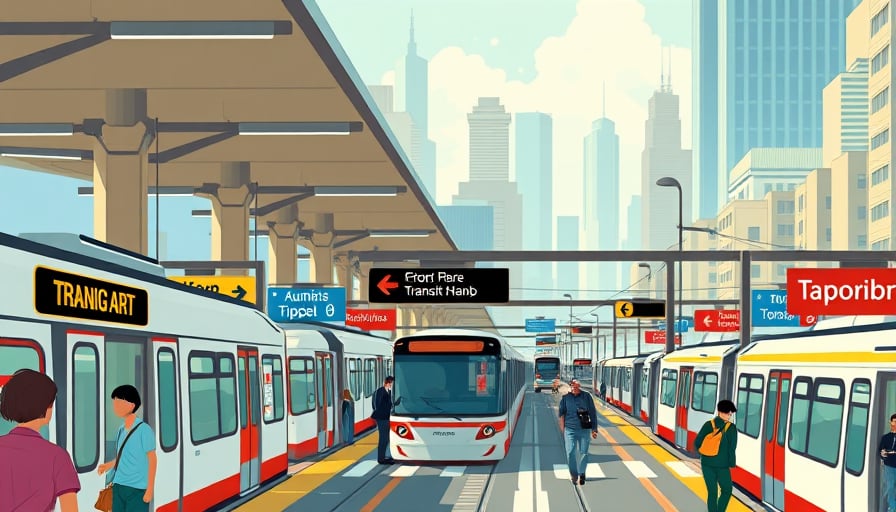
Alstom SA, a key player in the global transportation sector, maintains its strategic focus on core product lines that include high‑speed trains, metros, trams, and electric buses, as well as a portfolio of infrastructure, signaling, and digital mobility solutions. The company’s equity is listed on both the New York Stock Exchange (NYSE) and Euronext Paris, and recent trading activity has shown a modest price movement that remains confined to a narrow band near the 52‑week range. Alstom’s extensive global customer base continues to reinforce its market position, and corporate communications have underscored ongoing initiatives aimed at addressing the evolving requirements of urban transit operators. No material operational or financial announcements were disclosed in the latest releases.
Strategic Focus and Product Portfolio
| Segment | Core Offerings | Strategic Imperatives |
|---|---|---|
| High‑speed rail | Intercity and regional high‑speed trains | Expand into emerging high‑speed markets in Asia and Latin America; leverage electrification trends. |
| Urban transit | Metros, trams, electric buses | Integrate digital signalling and IoT solutions; support sustainable city initiatives. |
| Infrastructure & Digital | Track systems, signaling, digital platforms | Offer end‑to‑end solutions; capitalize on the shift toward “smart” transport networks. |
Alstom’s product mix is designed to create a synergistic ecosystem, enabling cross‑selling of components and services across its diverse offerings. This approach aligns with industry movements toward integrated mobility solutions rather than isolated hardware sales.
Market Dynamics and Competitive Positioning
Global Demand for Sustainable Mobility – City governments worldwide are accelerating investment in electrified transit to meet climate targets. Alstom’s electric bus and tram lines position the company favorably within this growth corridor.
Digitalization of Transport Systems – The transition to data‑driven operations is reshaping the industry. Alstom’s digital mobility suite, encompassing predictive maintenance and real‑time analytics, strengthens its competitive edge against traditional OEMs.
Geographic Diversification – While Europe remains a core market, Alstom is actively pursuing projects in the Middle East, Africa, and Southeast Asia. This geographic spread mitigates concentration risk associated with regional economic fluctuations.
Peer Landscape – Competitors such as Siemens Mobility, Bombardier (now part of Alstom’s former competitor), and CAF are similarly expanding digital services. Alstom differentiates itself through a mature high‑speed rail pedigree and a robust portfolio of urban transit solutions.
Economic and Regulatory Context
Infrastructure Funding – Many governments are channeling public funds toward rail and metro projects under infrastructure stimulus packages. Alstom’s established track record makes it an attractive partner for large‑scale tenders.
Electrification Incentives – Subsidies for electric buses and trams, especially in EU member states, improve the economics of Alstom’s urban transit products. These incentives are likely to persist as part of EU Green Deal commitments.
Currency Volatility – Dual listing exposes the company to both euro and dollar markets. Recent modest price movement suggests that currency swings have not significantly impacted investor sentiment at present.
Supply‑Chain Resilience – Global semiconductor shortages and component logistics issues have pressured the transportation industry. Alstom’s proactive supply‑chain management and diversification of suppliers help cushion operational risk.
Cross‑Sector Linkages
Energy Transition – The electrification of transport dovetails with the broader shift toward renewable energy. Alstom’s electric vehicle platforms can integrate with grid‑level storage and renewable generation, creating new revenue streams beyond traditional rail contracts.
Smart City Initiatives – Urban mobility solutions are increasingly part of smart city ecosystems. Alstom’s digital platforms can interface with citywide IoT networks, positioning the company as a partner in broader urban infrastructure projects, including traffic management and public safety.
Infrastructure Investment Cycles – Global trends toward “mega‑projects” such as high‑speed corridors or urban mass transit expansions influence financing models. Alstom’s experience with large‑scale capital projects aligns well with the needs of public‑private partnership structures.
Investor Outlook
While the company has not issued new operational or financial guidance, the narrow trading range around the 52‑week high suggests a period of consolidation. Investors may view Alstom’s continued focus on high‑growth, sustainability‑aligned segments as a positive long‑term driver, offsetting short‑term volatility. The dual exchange presence provides liquidity but also exposes the stock to currency and regulatory nuances that will be important to monitor.
Conclusion
Alstom SA’s steadfast commitment to its core high‑speed, urban, and digital mobility solutions, combined with a diversified global customer base and a proactive approach to evolving urban transit demands, reinforces its status as a key industry player. By aligning its product strategy with the twin imperatives of electrification and digitalization, and by maintaining a robust position across multiple geographies and market segments, Alstom is poised to capitalize on long‑term transportation trends that transcend individual sectors.