Corporate Analysis of Alstom SA
Alstom SA, the French rail‑transport conglomerate, has recently attracted renewed attention from investors and analysts following a notable decline in short‑interest activity during March. Shares traded on the OTCMKTS exchange showed a reduction in short positions, dropping from over six hundred thousand shares at the end of February to fewer than three hundred thousand by mid‑March. With a high trading volume, the days‑to‑cover ratio fell to a low value, indicating a shift in market sentiment.
Short‑Interest Dynamics and Market Sentiment
The pronounced contraction in short positions suggests that bearish sentiment is easing, potentially reflecting confidence in Alstom’s operational performance and strategic initiatives. A lower days‑to‑cover ratio, calculated by dividing the outstanding short volume by the average daily trading volume, signals that any short‑covering activity would require fewer trading days to absorb. In a highly liquid environment, such a move can act as a bullish signal for the broader market and for the company’s equity.
Analyst Coverage and Consensus View
Analyst coverage of Alstom remains mixed:
- Deutsche Bank reaffirmed a positive outlook, underscoring confidence in the company’s long‑term growth prospects.
- Citigroup upgraded its assessment from neutral to buy, reflecting optimism over upcoming contracts and product pipelines.
- Barclays continued to recommend an underweight stance, citing concerns about market volatility and competitive pressure.
- Kepler Capital Markets downgraded the stock from buy to hold, indicating a more cautious stance.
Overall, the prevailing consensus leans toward a moderate buying view, with a single sell recommendation in the mix. This heterogeneity in opinions points to underlying uncertainties that may stem from sectorial dynamics, macro‑economic factors, and competitive positioning within the rail‑transport industry.
Strategic Opportunity: Renfe High‑Speed Train Tender
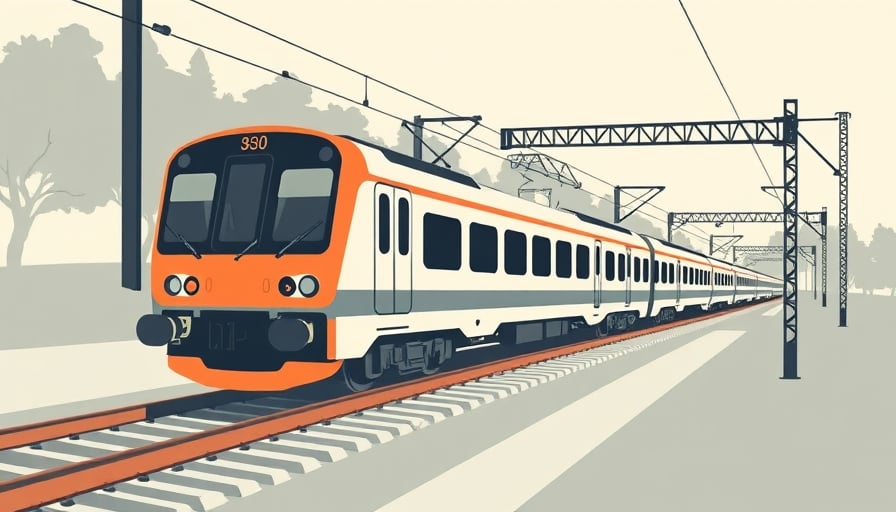
In a separate development, the Spanish national rail operator Renfe announced a major procurement of high‑speed trains that could involve Alstom among the shortlisted suppliers. Renfe’s call for tender aims to acquire 30 new units, with the possibility of expanding to 40, to enhance capacity and modernise its fleet. The tender, valued in the billions of euros, is expected to be a significant opportunity for Alstom, which is already a recognised provider of high‑speed and regional rolling stock.
Implications for Competitive Positioning
The potential inclusion of Alstom in Renfe’s tender would reinforce its position as a leading supplier of high‑speed and regional train sets. It would also:
- Expand Geographic Reach – Strengthening its foothold in the European market, particularly within Spain, a key hub for high‑speed rail development.
- Generate Revenue Growth – The tender’s value is substantial, potentially boosting Alstom’s top‑line in the near term.
- Validate Product Portfolio – Demonstrating the commercial viability of its high‑speed, regional, metro, tram, and e‑bus solutions, as well as its maintenance and digital mobility services.
Financial Health and Balance Sheet Strength
Alstom’s balance sheet exhibits a modest debt‑to‑equity ratio, suggesting a disciplined approach to leverage. Liquidity ratios remain healthy, indicating that the company can meet short‑term obligations and fund ongoing projects without undue reliance on external financing. Over the past year, Alstom has shown resilience against market volatility, with steady earnings growth and a diversified product portfolio.
Sector‑Specific Dynamics
Key drivers in the rail‑transport sector include:
- Infrastructure Modernisation – Governments are investing heavily in high‑speed rail networks, signalling long‑term demand.
- Sustainability Imperatives – The transition toward electrification and low‑emission technologies creates opportunities for providers of e‑bus and digital mobility solutions.
- Competitive Landscape – Rivalry is intense, with major players such as Siemens, Alstom, and Bombardier (now part of Alcatel‑Lucent) vying for high‑profile contracts.
Alstom’s comprehensive portfolio positions it to capture these dynamics across multiple subsectors, enabling cross‑selling of integrated solutions (e.g., combining rolling stock with digital maintenance services).
Broader Economic Trends and Cross‑Sector Connections
The rail‑transport sector is influenced by macro‑economic conditions such as:
- Interest Rate Environment – Lower rates ease the cost of capital for infrastructure projects, potentially accelerating procurement cycles.
- Currency Fluctuations – As a European company, Alstom is sensitive to the Euro’s strength versus major currencies, impacting export profitability.
- Digital Transformation – The adoption of IoT, predictive maintenance, and data analytics across transportation networks elevates the value proposition of companies offering integrated digital services.
These trends resonate beyond the rail industry, intersecting with energy, logistics, and urban mobility sectors. For instance, advancements in e‑bus technology and digital maintenance solutions are also relevant to public transit operators and logistics providers, creating potential synergies.
Outlook and Investment Considerations
Alstom remains a key player in the rail‑transport sector, with market dynamics suggesting cautious optimism among investors. The forthcoming Renfe tender presents a tangible upside catalyst, while the company’s strong balance sheet and diversified product mix provide a solid foundation for sustained growth. However, investors should remain aware of sectorial competition, macro‑economic headwinds, and the mixed analyst sentiment that reflects underlying uncertainties.
In summary, Alstom’s current trajectory is shaped by a combination of declining short‑interest signals, a mixed but largely bullish analyst landscape, strategic procurement opportunities, and robust financial health. These factors collectively underpin a cautiously optimistic view for the company’s future performance in the evolving rail‑transport landscape.