Corporate Analysis: Alstom’s Strategic Diversification into Defence
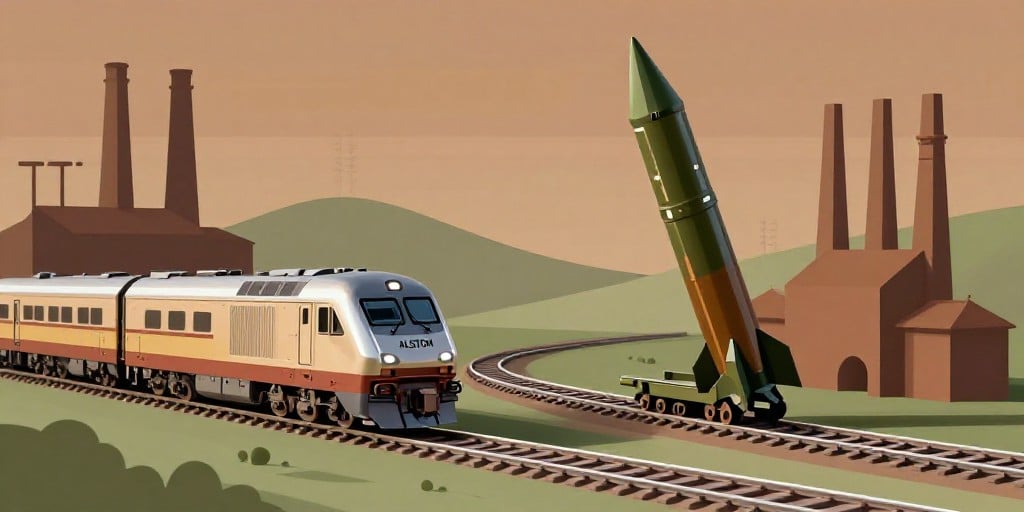
Alstom’s recent decision to sell its Kassel plant to Rhein Metall and redirect approximately 750 jobs to Rhein’s armoured‑vehicle division has attracted scrutiny from both investors and industry analysts. The transaction, announced in early October, reflects a broader strategy by Alstom to diversify its industrial portfolio beyond rail equipment and to establish a more resilient revenue base in the face of shifting demand dynamics within the European manufacturing landscape.
Market Context and Industry Dynamics
The German manufacturing sector has been experiencing a wave of restructuring, driven by evolving customer requirements and heightened competition across both conventional and defence-related markets. Alstom’s sale of the Kassel facility is emblematic of this trend, illustrating a deliberate pivot toward sectors that offer more stable demand profiles. In the rail industry, market saturation, fluctuating public investment, and intensifying price pressures have challenged traditional revenue streams. Conversely, the European defence sector, buoyed by increased defence budgets and a growing emphasis on domestic production capabilities, presents a more cyclical but potentially steadier source of income.
Strategic Rationale and Competitive Positioning
Alstom’s leadership has indicated that the move to align with Rhein Metall will provide the company with a stronger foothold in the European defence arena. This alignment is expected to balance the inherent volatility of the railway sector by leveraging Rhein’s established presence in armoured vehicle manufacturing. By integrating into a defence supply chain that is less susceptible to the cyclical downturns typical of passenger and freight rail markets, Alstom can potentially smooth earnings volatility and secure long‑term contracts.
The strategic shift also aligns with broader corporate objectives: achieving operational synergies, accessing new customer segments, and enhancing the company’s value proposition to investors who prioritize diversified risk profiles. By maintaining a steady order book in both rail and defence, Alstom may improve its capacity to weather sector‑specific downturns while capitalising on growth opportunities in emerging markets.
Shareholder Response and Market Sentiment
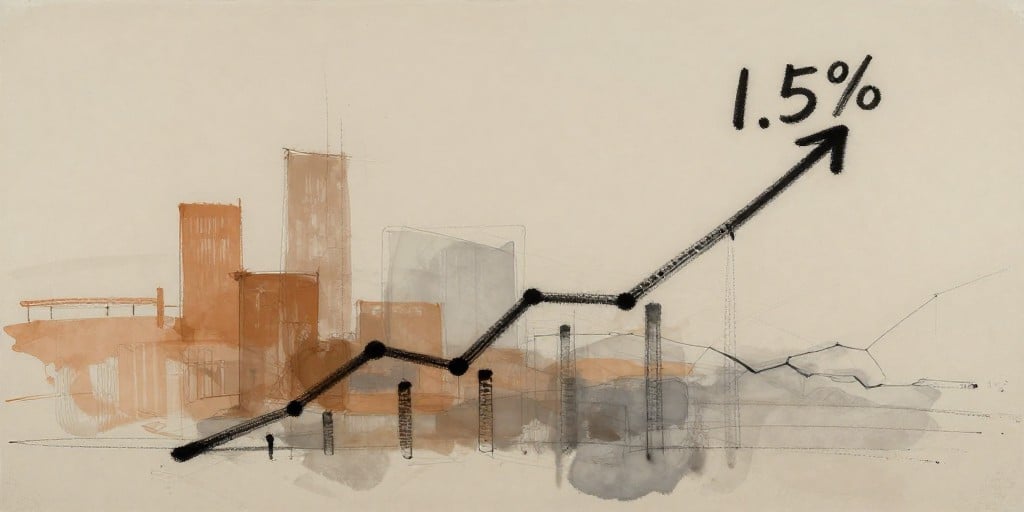
Following the announcement, Alstom’s share price experienced an immediate decline, prompting shareholders to question the pace and scale of the expansion. This reaction underscores the delicate balance between short‑term market volatility and long‑term strategic realignment. However, recent market briefings indicate a modest uptick in the stock price, attributed to expectations of robust order intake in the first half of the year. Analysts interpret this upward movement as an indication that investors are reassessing the company’s long‑term prospects and weighing the benefits of diversification against immediate uncertainties.
The divergence in short‑term price movements reflects the complexity of investor sentiment in a corporate environment where significant structural changes are underway. While initial scepticism is natural, sustained performance will depend on Alstom’s ability to deliver on its strategic objectives, manage transition risks, and maintain a competitive edge in both rail and defence markets.
Economic Factors and Cross‑Sector Implications
The decision to transition from rail to defence manufacturing also dovetails with macro‑economic trends such as rising geopolitical tensions, increased defence spending across Europe, and a growing emphasis on supply‑chain resilience. In addition, the broader European economic environment, characterised by cautious fiscal policies and variable growth trajectories, makes diversification a prudent strategy for firms seeking to mitigate sectoral risks.
Cross‑sector analyses suggest that a robust defence portfolio can act as a stabilising force for companies traditionally exposed to the cyclicality of the transportation sector. For Alstom, integrating into a defence ecosystem offers access to advanced manufacturing technologies, stringent quality controls, and a customer base that often operates on long‑term procurement cycles. These attributes can enhance operational resilience and potentially open new avenues for joint ventures, technology licensing, and cross‑industry innovation.
Conclusion
Alstom’s strategic shift toward defence manufacturing represents a calculated effort to diversify its industrial base and secure a more stable revenue foundation amid uncertainties in the rail market. By aligning with Rhein Metall’s armoured vehicle division, Alstom positions itself to benefit from the cyclical stability of the European defence sector while maintaining its core competencies in rail equipment production. The market’s mixed reaction—initial decline followed by a modest rebound—highlights the tension between immediate price volatility and longer‑term strategic value. Investors and analysts will continue to monitor the company’s progress in integrating the Kassel site’s workforce, the pace of order intake growth, and the overall impact of this diversification on Alstom’s financial performance over the coming months.