
Corporate News
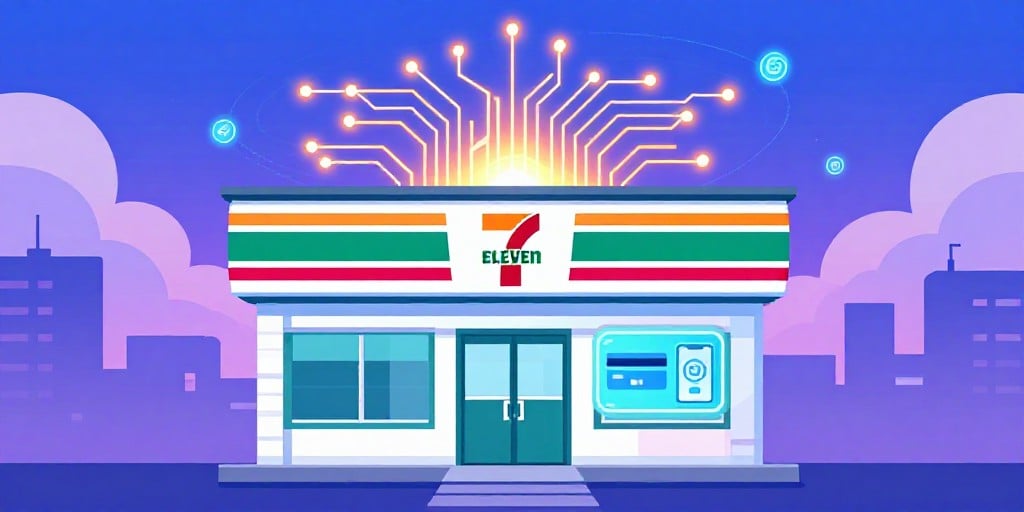
Alimentation Couche‑Tard Inc. (AC) has officially declined a takeover proposal for Seven & i Holdings Co., the parent company of the 7‑Eleven convenience‑store chain, after a brief negotiation period. The decision marks a strategic realignment for the Canadian retailer, which had previously explored the possibility of acquiring a stake in the Tokyo‑based operator. Seven & i, in turn, has opted to pursue a partnership arrangement with SoftBank Corp. and its payments subsidiary PayPay Corp. to issue new equity, thereby infusing substantial capital and technological expertise into its retail platform.
The alliance with SoftBank and PayPay is poised to accelerate the deployment of digital payment systems, loyalty‑point integration, and artificial‑intelligence‑driven operations across Seven & i’s extensive footprint. By embedding advanced payment and data analytics capabilities, the retailer anticipates an expansion of consumer touchpoints and an increase in transaction volumes. Analysts project that the capital injection will enable Seven & i to broaden its reach into consumers’ wallets, potentially driving higher traffic and sales growth.
From AC’s perspective, the retreat from an international acquisition reflects a broader shift toward consolidating core operations. The company remains committed to expanding its Circle K network across North America and beyond, yet has chosen to forgo a direct investment in a foreign retailer at this juncture. Instead, AC is concentrating on streamlining its domestic and international assets, including divestitures of non‑core holdings and the listing of its U.S. business. This focus is expected to enhance operational efficiency and unlock shareholder value in the long term.
The negotiations between Seven & i and SoftBank/PayPay have drawn attention from market observers, who view the partnership as a strategic countermeasure against competitors that have already secured alliances with major trading houses or telecom operators. The infusion of equity and technology is also seen as a potential safeguard against activist shareholders and future takeover attempts, thereby stabilizing the retailer’s governance structure.
Societal Trends and Market Opportunities
Digital Transformation Meets Physical Retail The convenience‑store sector is experiencing a paradigm shift, where omnichannel experiences blend the immediacy of brick‑and‑mortar access with the convenience of digital services. Seven & i’s partnership with SoftBank and PayPay exemplifies this convergence. By integrating seamless payment options and real‑time data analytics, retailers can personalize offerings, optimize inventory, and reduce friction in the customer journey. This model creates a competitive advantage that is increasingly difficult to replicate without technological investment.
Generational Spending Patterns Millennials and Gen Z consumers prioritize speed, convenience, and digital engagement. Their propensity to use mobile wallets and loyalty apps fuels demand for retailers that can offer frictionless transactions and personalized incentives. The partnership’s focus on loyalty‑point integration positions Seven & i to capture this demographic’s spending, while AC’s decision to concentrate on its Circle K brand may be aimed at tailoring in‑store experiences to similar consumer profiles.
Cultural Movements Toward Sustainability and Localism Contemporary shoppers are also attuned to sustainability and local community impact. Digital tools enable retailers to track and report on environmental metrics, source local products, and engage customers in community‑focused initiatives. By leveraging AI‑driven operations, Seven & i can streamline supply chains and reduce waste, aligning with evolving cultural expectations.
Forward‑Looking Analysis
Capitalizing on Digital Pay Ecosystems For retailers in the consumer sector, partnering with or acquiring stakes in payment technology firms can unlock new revenue streams and strengthen customer retention. The SoftBank/PayPay model illustrates how such alliances can be leveraged to accelerate technology adoption without the overhead of building proprietary systems from scratch.
Consolidation of Core Assets as a Growth Lever AC’s pivot toward consolidating its core operations underscores a trend in which companies prioritize deepening market presence over geographic diversification. By shedding non‑core assets, firms can free capital for innovation, store upgrades, or strategic acquisitions that align closely with their brand identity.
Resilience Against Activist Takeovers Equity partnerships that bring in reputable institutional investors can provide a buffer against hostile takeover attempts. In the case of Seven & i, the alignment with SoftBank and PayPay may deter activist pressure by increasing the complexity of any future acquisition attempts and solidifying stakeholder confidence.
Consumer Experience as a Differentiator The intersection of digital payment systems, AI‑driven inventory management, and personalized loyalty programs will become a key differentiator in the convenience‑store market. Retailers that integrate these elements seamlessly stand to benefit from higher customer satisfaction, increased dwell time, and elevated average basket sizes.
In summary, the unfolding developments around AC, Seven & i, SoftBank, and PayPay illustrate how consumer trends—digital integration, generational preferences, and cultural shifts—translate into concrete business strategies. Companies that align their growth initiatives with these societal changes are positioned to capture emerging opportunities and sustain competitive advantage in an increasingly digital and consumer‑centric marketplace.