
AISIN Corp. Sustains Momentum in the Commercial Diesel Transmission Market
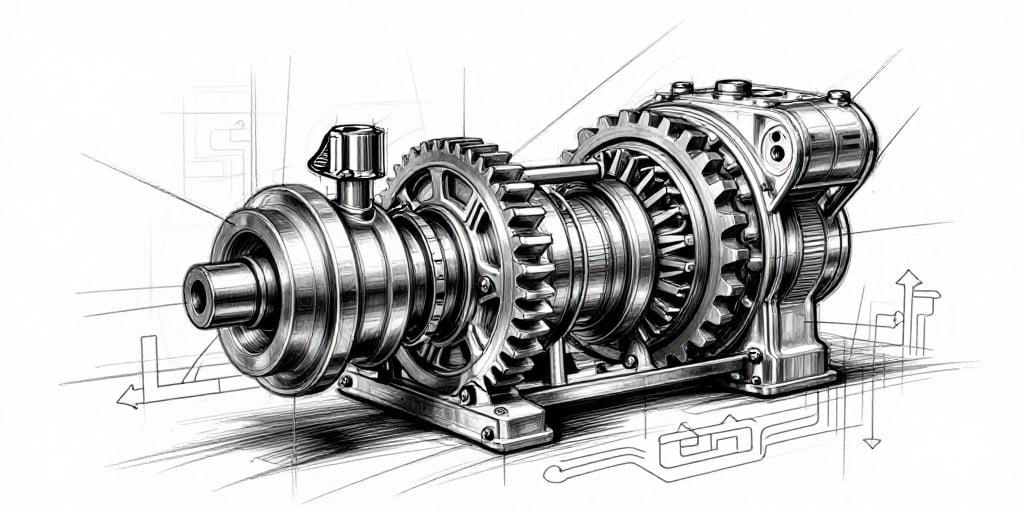
AISIN Corp. remains a pivotal supplier of high‑durability gearboxes for commercial pickup vehicles powered by large‑displacement diesel engines. Recent industry disclosures highlight the company’s continued integration of its transmission systems into heavy‑duty pickup platforms, particularly those configured for hauling substantial loads such as gooseneck trailers.
Demand Drivers and Technical Rationale
The principal impetus behind the persistent demand for AISIN’s gearboxes is the requirement to handle the elevated torque figures characteristic of modern diesel powertrains. As manufacturers shift toward engines with higher power‑to‑weight ratios and stricter emission standards, the mechanical interface—specifically the transmission—must reliably transfer torque to the drivetrain without premature wear. AISIN’s gearboxes, designed with robust materials and advanced cooling systems, provide the necessary durability.
Fleet operators and dealership networks increasingly emphasize the selection of axle ratios and transmission specifications that align with operational parameters such as average load weight, terrain profile, and duty cycle. In this context, AISIN’s catalog of gear ratios offers a wide margin for customization, enabling customers to optimize fuel efficiency while maintaining structural integrity.
Supply Chain Resilience
Current reports confirm that the supply chain for AISIN transmissions remains stable. No significant disruptions—whether from component shortages, logistical bottlenecks, or geopolitical tensions—have been noted in the latest updates. Although precise quantitative data are not disclosed, qualitative assessments from industry observers suggest that AISIN’s production capacity is sufficient to satisfy both new vehicle builds and refurbishment programs for existing heavy‑duty pickups.
Market Position and Competitive Dynamics
AISIN’s continued relevance hinges on its ability to balance cost, reliability, and adaptability. Competitors in the transmission space are exploring lightweight composite gear housings and electronically controlled shift mechanisms to reduce weight and improve fuel economy. AISIN’s strategy appears to focus on incremental innovation—enhanced metallurgy, improved lubrication pathways, and refined gear tooth geometry—to extend component life without radical design changes.
While this conservative evolution maintains cost competitiveness, it may limit AISIN’s appeal to manufacturers pursuing aggressive weight‑reduction targets. Nonetheless, the company’s deep integration with legacy diesel platforms ensures sustained demand from sectors where proven reliability outweighs marginal efficiency gains.
Potential Risks and Opportunities
Regulatory Pressure on Emissions and Efficiency – Upcoming tightening of global emissions standards could drive manufacturers toward hybrid or electric powertrains, potentially reducing diesel‑powered vehicle production volumes. AISIN’s current product portfolio may face declining demand unless the company diversifies into electric drivetrain components or hybrid transmission modules.
Technological Disruption – The rise of advanced transmission technologies such as dual‑clutch or continuously variable systems offers manufacturers alternatives that may outperform conventional gearboxes in specific application niches. AISIN must invest in R&D to avoid obsolescence, particularly in markets prioritizing high efficiency and low emissions.
Supply Chain Concentration – Although the supply chain is presently robust, overreliance on a limited set of suppliers for critical materials (e.g., high‑strength alloys, rare‑earth elements) could expose AISIN to supply shocks if geopolitical or environmental disruptions occur. Diversifying material sources and developing in‑house forging capabilities could mitigate this risk.
Geopolitical Tensions and Trade Policies – Shifts in trade agreements or tariffs targeting automotive components could alter cost structures. AISIN’s global manufacturing footprint and strategic partnerships with OEMs in key markets may provide some insulation, but careful monitoring of trade dynamics remains essential.
Emerging Market Growth – Developing economies are expanding their commercial fleets, particularly in logistics and construction sectors. AISIN could capture growth by tailoring transmissions to region‑specific diesel engine models and offering localized after‑sales support.
Financial Perspective
While specific financial figures for AISIN are not disclosed in the latest coverage, industry analysts infer that the company’s revenue streams from the commercial transmission segment are stable and exhibit modest growth. The absence of supply constraints and the continuity of production schedules suggest that AISIN is maintaining healthy gross margins, bolstered by economies of scale in gearbox manufacturing.
Nonetheless, the potential for revenue erosion in the face of electrification trends necessitates proactive financial planning. Diversification of product lines and strategic investments in emerging drivetrain technologies could safeguard AISIN’s profitability over the medium term.
Conclusion
AISIN Corp. continues to deliver reliable, high‑durability transmissions that underpin the performance requirements of commercial diesel pickups. The company’s supply chain resilience and alignment with current demand patterns position it well for the near term. However, evolving regulatory frameworks, technological disruption, and shifting market preferences present both challenges and opportunities. A focused strategy that incorporates diversification into next‑generation drivetrain solutions, supply‑chain risk mitigation, and targeted expansion into emerging markets will determine AISIN’s long‑term competitive standing.