Impact on European Equity Indices and Airbus’ Strategic Developments
Airbus SE experienced a decline in its share price during the European equity session on Friday, which contributed to a modest downturn in the Euro STOXX 50 and the German DAX. The aircraft manufacturer’s shares fell by approximately 2.17 %, positioning Airbus among the weaker performers in the DAX for the day. In Paris, the CAC 40 opened lower; Airbus, which holds the largest trading volume in the index, also slipped, though the index recorded a small weekly gain.
Airbus’ Flight of the Future: Unmanned Combat Aircraft
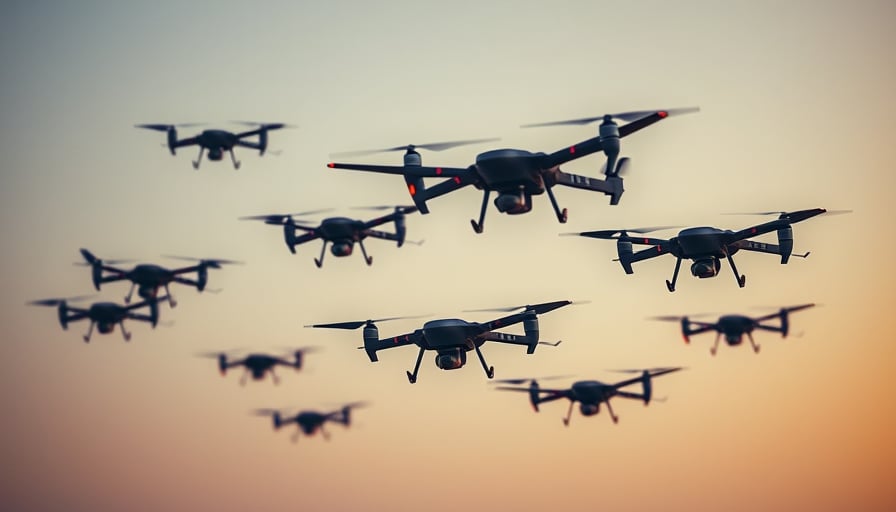
Airbus is preparing the first flight of two unmanned combat aircraft of the Valkyrie type for the German armed forces. The test, slated for later in the year at the Manching airbase near Munich, will integrate an autonomous mission system supplied by Airbus itself. The programme is part of a broader strategy to deliver a networked capability that combines unmanned and manned platforms to the German military by 2029. The project underscores Airbus’ commitment to advanced defence technologies and highlights the company’s ability to bridge aviation manufacturing with sophisticated autonomous systems.
Cross‑Sector Collaborations: Europe’s Space Strategy
In a wider European context, German and Norwegian officials are negotiating closer cooperation in space activities. A working group has been formed to explore joint projects that leverage Germany’s industrial base and Norway’s technological expertise. This initiative is situated within a larger effort to strengthen European independence in space and other high‑technology sectors. By fostering collaboration across national boundaries, the partnership aims to secure competitive positioning in an industry increasingly driven by technological innovation and geopolitical considerations.
Economic and Competitive Implications
The recent volatility in Airbus’ share price reflects the broader sensitivity of European equity markets to both corporate performance and macro‑economic signals. Airbus’ strategic investments in unmanned combat aircraft and its role in European defence procurement demonstrate a diversification strategy that aligns with evolving defence budgets and national security priorities. Similarly, the Germany‑Norway space collaboration signals a convergence of industrial and technological capabilities that can enhance European resilience in critical infrastructure and advanced manufacturing.
These developments illustrate how a single corporate entity can influence multiple sectors—from aviation and defence to space exploration—while simultaneously responding to macro‑economic forces such as market sentiment, fiscal policy, and international trade dynamics. The ability to navigate such interconnections, maintain operational excellence, and anticipate regulatory changes remains essential for sustaining long‑term competitiveness in an increasingly interconnected global economy.