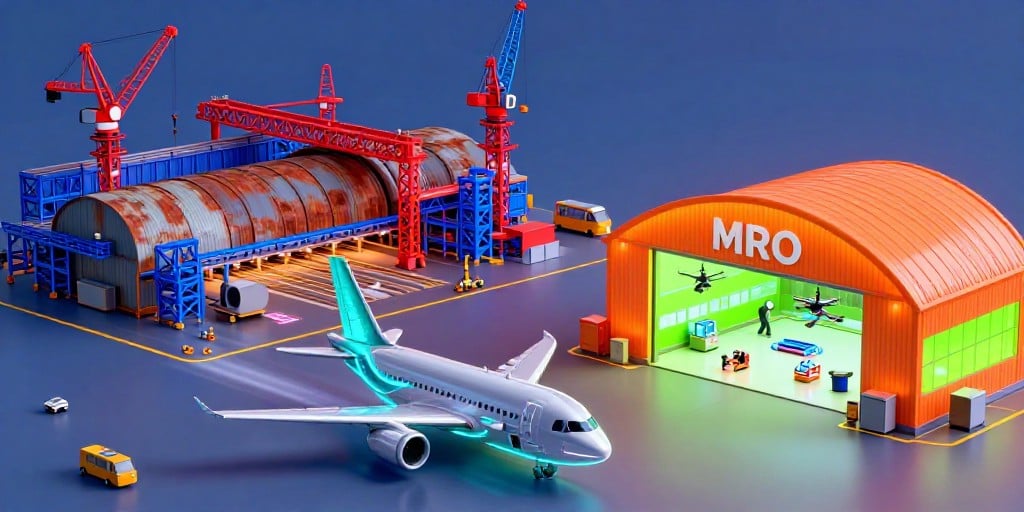
Operational Disruption at Hamburg-Finkenwerder Plant
Airbus SE’s Hamburg‑Finkenwerder facility, which employs approximately 18 000 personnel, experienced a partial shutdown following a 24‑hour warning strike by IG Metall. The strike, part of wider tariff negotiations affecting the metal and electrical sectors, resulted in only a minority of workers returning to the shop floor. Although the company did not release a statement regarding the dispute, the episode underscores the tangible impact that labor actions can exert on production capacity and delivery schedules.
The plant’s role in the assembly of wide‑body commercial aircraft means that any interruption can reverberate through Airbus’s entire supply chain. In the current environment of heightened demand for new airframes—particularly the A350‑1000 and the forthcoming A321neo—disruptions at a key hub could delay customer deliveries and trigger contractual penalties. Airbus’s risk management framework must therefore account for labor volatility as a potential contributor to operational risk, alongside component shortages and geopolitical uncertainties.
Strategic Divestment of U.S. Satellite Platform Unit
In a bid to streamline its portfolio, Airbus announced the sale of its U.S. satellite platform business to investment firm Cerberus. The divestment is framed as a strategic refocusing on core aerospace activities, with Cerberus taking on manufacturing, integration, and launch‑preparation services for commercial and national‑security space customers.
While the financial terms remain undisclosed, the transaction is expected to close within the year. Analysts note that this move aligns with Airbus’s broader strategy of concentrating on high‑margin segments such as fighter aircraft, large commercial airframes, and aftermarket services. By offloading a niche yet capital‑intensive satellite segment, Airbus frees up capital and managerial bandwidth that can be redirected toward its MRO (maintenance, repair, overhaul) growth strategy and emerging technologies such as electric propulsion and hypersonic systems.
Expanding Global Services Forecast
Airbus’s Global Services Forecast projects a doubling of the worldwide maintenance, repair, and overhaul market by 2045. The forecast is predicated on two key drivers:
- Fleet Aging – By 2045, roughly 35 % of the global fleet will be older than 20 years, creating a sizable MRO demand pool.
- Technology Upgrades – The rapid evolution of avionics, structural composites, and environmental controls will necessitate frequent upgrades to maintain regulatory compliance and operational efficiency.
If realized, this growth could generate incremental revenue of €4–6 billion annually for Airbus’s service arm, reinforcing its position as a leading post‑sales provider. The expansion also dovetails with the company’s focus on sustainability, as refurbished components and retrofits can reduce the carbon footprint of airlines.
Supplier Relationships and Market Dynamics
Airbus remains a major customer for component suppliers such as FACC, an Austrian aerospace firm specializing in advanced composites and lightweight structures. The projected surge in component repairs and upgrades is expected to benefit suppliers that can meet stringent quality and lead‑time requirements. However, the supply chain’s concentration risk remains a concern: a single supplier failure could cascade into production delays. Airbus’s long‑term strategy appears to hinge on cultivating diversified, resilient supplier networks while maintaining rigorous quality controls.
Risks and Opportunities
| Risk | Impact | Mitigation |
|---|---|---|
| Labor disruptions at key facilities | Production delays, cost overruns | Strengthen workforce engagement, diversify labor pools |
| Divestment of satellite unit | Loss of revenue diversification | Reinvest proceeds into high‑growth MRO and R&D |
| Market consolidation in MRO | Reduced margins, increased competition | Leverage brand reputation, offer bundled solutions |
| Supplier concentration | Supply chain bottlenecks | Expand supplier base, develop dual sourcing |
| Opportunity | Expected Benefit | Strategic Action |
|---|---|---|
| Growing MRO market | Higher recurring revenue | Invest in digital diagnostics, predictive maintenance |
| Electrification of aviation | First‑mover advantage | Allocate R&D budgets toward electric propulsion |
| Space commercialization | New customer segments | Develop modular satellite platforms within core aerospace |
Conclusion
Airbus SE is navigating a complex landscape characterized by labor tensions, strategic portfolio adjustments, and an expanding aftermarket. The company’s ability to translate these challenges into long‑term competitiveness will depend on proactive risk management, disciplined capital allocation, and sustained investment in high‑margin services and emerging technologies. The forthcoming year will test whether Airbus can balance short‑term operational disruptions with its broader strategic vision of becoming a dominant player in both the skies and the space sector.