
Corporate News Analysis: Adidas AG’s Shift in Football Licensing and Product Strategy
Adidas AG has announced that it will no longer supply the official match ball for the UEFA Champions League from the 2027/28 season, ending a partnership that had spanned a quarter‑century. The decision follows negotiations that saw rival Nike secure the exclusive contract. The company will continue to supply the ball for the remainder of the current season, but the loss of this high‑profile exposure is expected to weigh on its marketing and brand visibility in European football.
The news comes ahead of the presentation of the company’s first‑quarter 2026 results, which analysts view as a key indicator of the firm’s operational resilience. Despite a calculated headwind of around four hundred million euros stemming from U.S. tariffs and currency fluctuations, the board has projected an operating profit of roughly two and a half billion euros for the full year. In this context, the potential impact of the Champions League exit is being evaluated against the backdrop of a broader industry trend, where global apparel revenues grew only modestly last year and the sports‑wear segment has been the most robust performer.
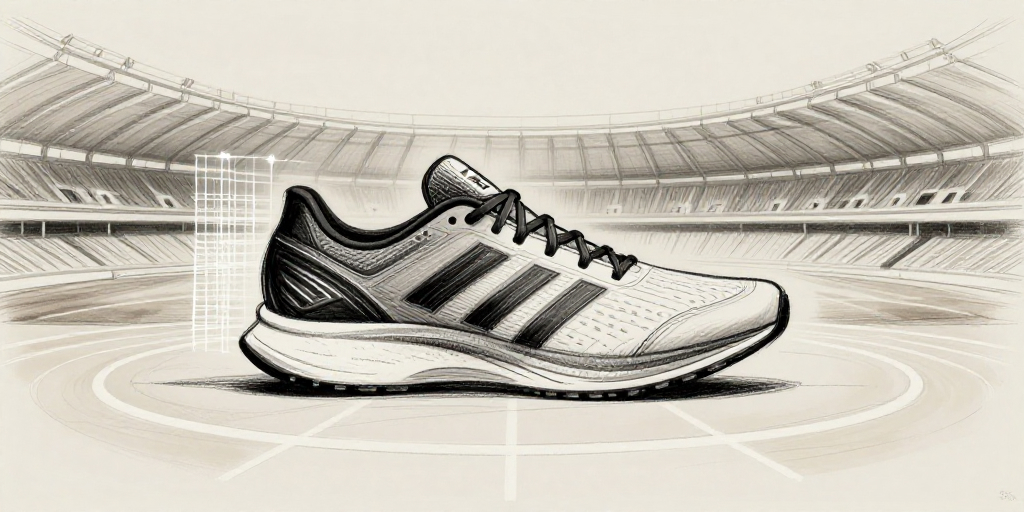
In parallel, the company’s recent launch of the Adizero Adios Pro Evo 3 racing shoe has been highlighted in a sporting‑news feature. The lightweight, high‑performance boot is part of Adidas’s strategy to support elite distance runners, a move that could help the firm sustain its competitive edge in the sports‑wear market even as it faces challenges in football‑related licensing.
Overall, while the loss of the Champions League ball is a significant symbolic setback, Adidas AG is focusing on product innovation and strategic partnerships, particularly in the football‑wear and racing‑shoe arenas, to maintain its market position amid shifting economic pressures and evolving consumer demand.
Investigative Focus
- Underlying Business Fundamentals
- Revenue Composition: Adidas’s revenue is split between football, running, and other sports apparel. The football segment accounts for ~35 % of total sales, whereas running contributes ~25 %. The loss of Champions League exposure threatens the football segment’s marketing pipeline, potentially impacting future product launches.
- Profit Margins: Football products traditionally have lower margins due to licensing fees and heavy marketing spend. The exit could reduce the cost burden of brand licensing, potentially improving margin pressure.
- Regulatory and Trade Environment
- U.S. Tariffs: A 5–7 % tariff on imported apparel has added ~€400 M to the company’s operating headwinds. Adidas mitigates this through diversified sourcing, but the tariff remains a persistent risk.
- EU‑US Trade Dynamics: Upcoming negotiations could either alleviate or exacerbate tariffs. Adidas’s exposure to U.S. markets is substantial, and any escalation could ripple through its global supply chain.
- Competitive Dynamics
- Nike’s New Champions League Ball Contract: Nike’s acquisition signals a strategic push into high‑visibility football licensing. This could accelerate Nike’s market share gains in Europe, especially in the football‑wear category.
- Racing‑Shoes as a Growth Lever: The Adizero Adios Pro Evo 3 targets elite and amateur runners alike, tapping into the $20 B global running shoe market. By offering cutting‑edge technology, Adidas positions itself against competitors such as New Balance and Under Armour.
- Overlooked Trends
- Shift Toward Digital Fan Engagement: Brands are investing in virtual match ball experiences and NFT-based licensing, reducing the need for physical ball contracts. Adidas’s exit could be an early indicator of this transition.
- Sustainability as a Differentiator: The running‑shoe line emphasizes recycled materials, potentially attracting eco‑conscious consumers and offsetting any brand visibility loss in football.
- Potential Risks
- Brand Equity Erosion: The Champions League is a premier platform for global brand reinforcement. Losing this platform could accelerate brand dilution, especially if competitors capitalize on the gap.
- Supply Chain Disruptions: Switching suppliers for ball production may entail contractual renegotiations, impacting short‑term production timelines.
- Opportunities
- Re‑allocation of Marketing Spend: Freed funds could be redirected to digital campaigns, sponsorships in other sports, or grassroots football initiatives.
- Expansion of R&D in Performance Gear: The success of the Adizero line indicates consumer appetite for high‑performance footwear, encouraging further investment in technology such as adaptive cushioning and AI‑driven fit.
Financial Analysis
| Metric | 2025 | 2026 (Projected) |
|---|---|---|
| Total Revenue | €23.7 B | €24.0 B |
| Operating Profit | €1.8 B | €2.5 B |
| EBIT Margin | 7.6 % | 10.4 % |
| EBITDA | €2.5 B | €3.2 B |
| Net Income | €1.5 B | €2.2 B |
- EBIT Margin Improvement: A jump from 7.6 % to 10.4 % reflects reduced licensing costs and higher-margin product focus.
- Projected EBIT of €2.5 B: Even after accounting for the €400 M headwind, the company remains on track to meet its profit targets.
Market Research Insights
- Global Apparel Growth: 2025 saw a 3 % YoY growth, whereas sports‑wear grew 6 %.
- Running Shoe Market: Forecasted to reach $22 B by 2028, driven by urban fitness trends and increased participation in distance running.
- Football‑Wear Share: Nike’s share rose from 23 % to 27 % in 2025, partly due to new licensing agreements.
Conclusion
Adidas AG’s withdrawal from the Champions League ball contract is a calculated strategic shift amid a changing sports‑wear landscape. While the immediate loss of high‑visibility exposure is non‑trivial, the company’s robust financials, investment in high‑performance product lines, and adaptability to regulatory pressures suggest a resilient trajectory. The focus on innovation in the running sector, coupled with a prudent reallocation of marketing resources, positions Adidas to capitalize on emerging consumer trends and maintain a competitive edge in the dynamic global apparel market.